Oil prices inched higher on Tuesday as traders turned their attention to supply and demand fundamentals and the resumption of shipments through the Strait of Hormuz. Around 7 am, West Texas Intermediate (WTI) crude was trading at $68.83 a barrel, up 0.41%, while Brent crude rose 0.38% to $72.26 a barrel, according to Business-Today. However, gains remained limited amid increasing crude supplies and a cautious demand outlook.
Strait of Hormuz Incident Raises Security Concerns
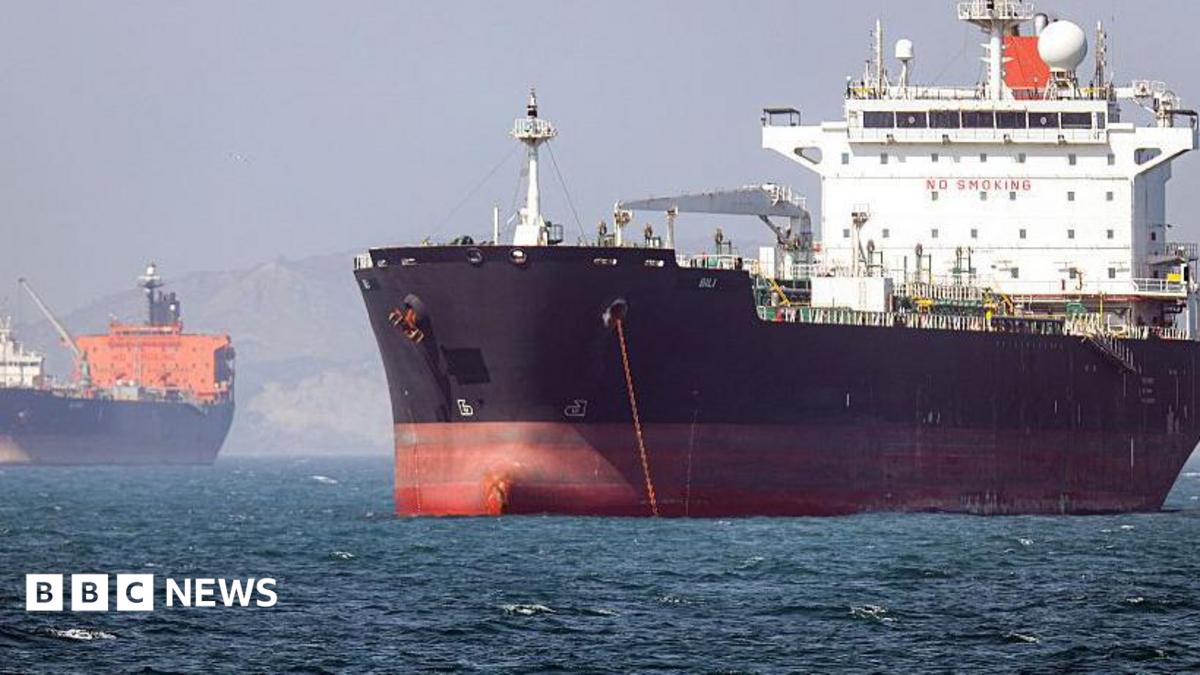
Earlier, a tanker was hit by a projectile in the Strait of Hormuz, raising fresh concerns over security on one of the world's busiest oil shipping routes. The United Kingdom Maritime Trade Operations (UKMTO) said the incident took place early on Tuesday near Limah, Oman. The tanker was travelling south through the Strait of Hormuz towards the Gulf of Oman when a projectile struck the port side of the vessel, causing it to catch fire. The UKMTO confirmed there was no environmental impact from the strike and that an investigation was under way.
No one immediately claimed responsibility for the attack. However, Iran is suspected of attacking at least two other vessels travelling near Oman in recent days, Business-Today reported. The incident comes as investors monitor discussions between the United States and Iran over the future of shipping through the Strait of Hormuz, while also watching the recovery in Gulf oil exports.
Earlier on Monday, US President Donald Trump said the United States would either reach a deal with Iran or "finish the job," renewing military threats as Tehran projected defiance following the funeral of former Supreme Leader Ayatollah Ali Khamenei.
Supply Dynamics: UAE Output Surges, OPEC+ Raises Targets
Even with tensions resurfacing, the upside in oil prices was capped as the market looked beyond geopolitics and turned its attention to rising supplies. According to Reuters estimates cited by Business-Today, the United Arab Emirates pumped more than 3.8 million barrels of crude a day in June — its highest production level since April 2020 and above pre-Iran war levels after it left OPEC+ production quotas in May.
Supply expectations also remained in focus after the Organization of the Petroleum Exporting Countries (OPEC) and its allies, including Russia, agreed on Sunday to raise output targets by another 188,000 barrels a day from August, following similar increases in June and July.
| Metric | Value | Source |
|---|---|---|
| WTI crude price (7 am) | $68.83/bbl (+0.41%) | Business-Today |
| Brent crude price (7 am) | $72.26/bbl (+0.38%) | Business-Today |
| UAE June production | >3.8 million bpd | Reuters estimates |
| OPEC+ August output increase | 188,000 bpd | OPEC+ decision |
| Saudi Arab Light OSP cut for Asia | $11/bbl (largest in >20 years) | Saudi Aramco |
Adding to the supply picture, Saudi Arabia lowered the August official selling price (OSP) of its flagship Arab Light crude for Asia to $1.50 a barrel below the Oman/Dubai average. A Saudi Aramco pricing statement released on Monday showed the price was cut by $11 from the previous month — the biggest reduction in more than two decades, according to Business-Today.
Demand Outlook: China in Focus
Demand-side concerns remain, particularly from China, the world's largest oil importer. As one analyst, referred to as Waterer, noted: "We will be watching for early signs of demand response, particularly from China. The market has priced in a lot of the positive supply news, so the next leg in oil prices will depend on whether physical reality matches the optimistic headlines." The quote underscores the market's wait-and-see stance amid ample supply and geopolitical noise.
Price Outlook and Key Data Releases
Traders are expected to keep a close watch on weekly US inventory data from the Energy Information Administration (EIA) and any further developments in US-Iran talks. The combination of rising OPEC+ supplies, record UAE output, and the Saudi price cut suggests downward pressure on prices in the near term, but any escalation in Strait of Hormuz disruptions could quickly reverse the sentiment. The market is pricing in a lot of the positive supply news, and the next catalyst will likely be whether physical demand — especially from China — meets expectations.
Sources: