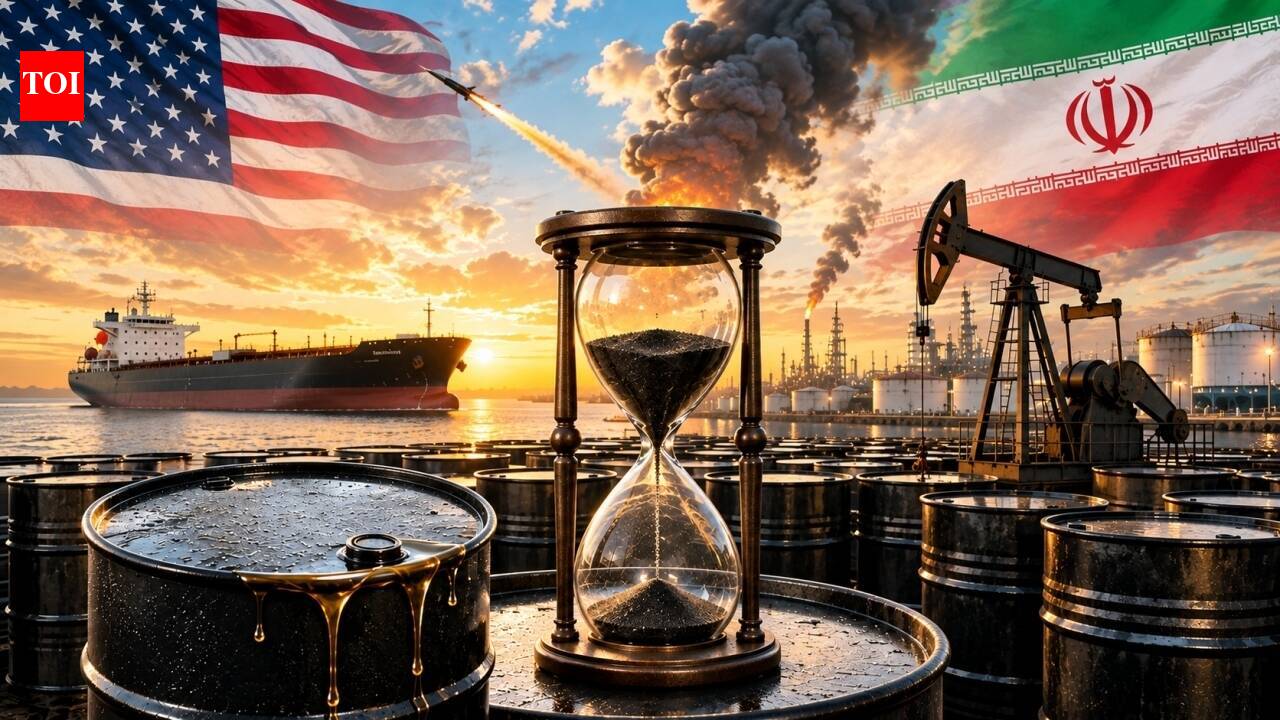
Oil prices edged higher on Tuesday after a sharp decline in the previous session, as investors weighed cautious optimism over US-Iran peace talks against uncertainty surrounding the resumption of crude shipments through the Strait of Hormuz. According to Business-Today, Brent crude futures rose 24 cents, or 0.38 per cent, to $78.15 a barrel, while US West Texas Intermediate (WTI) gained 33 cents, or 0.46 per cent, to $74.19 a barrel as of 0026 GMT.
Market Rebound After Monday's Plunge
The rebound followed a more than 3 per cent drop on Monday after the United States granted Iran a 60-day sanctions waiver following initial peace talks and reports indicated a lull in hostilities in Lebanon under the broader agreement. Despite the recovery, market participants remained cautious amid questions over the durability of the diplomatic breakthrough and the reopening of the key shipping route.
Analyst Caution and Scepticism
Tim Waterer, chief market analyst at KCM Trade, told Reuters, “There remains a prevailing dose of market scepticism, rooted in deep-seated mistrust between Washington and Tehran, suggesting that any return to pre-war oil prices is likely to be delayed rather than immediate.” Analysts said traders were waiting for concrete signs that shipping activity through the strategic chokepoint was returning to normal. Waterer added, “The market had priced in optimism around the roadmap and potential Strait of Hormuz reopening, but traders are now taking a more measured approach as they await concrete evidence that the deal will hold and traffic will normalise.”
Geopolitical Background
According to Business-Today, the latest developments came after a turbulent weekend during which US President Donald Trump warned that military action could resume if Iran interfered with shipping through the Strait of Hormuz after Tehran declared the waterway closed. Trump said on Truth Social on Monday that Iran would agree to weapons inspections to ensure 'nuclear honesty'. “If Iran doesn't live up to their agreement, or if they're not behaving, I will do what I have to do,” Trump later told reporters.
Early Signs of Hormuz Transit Recovery
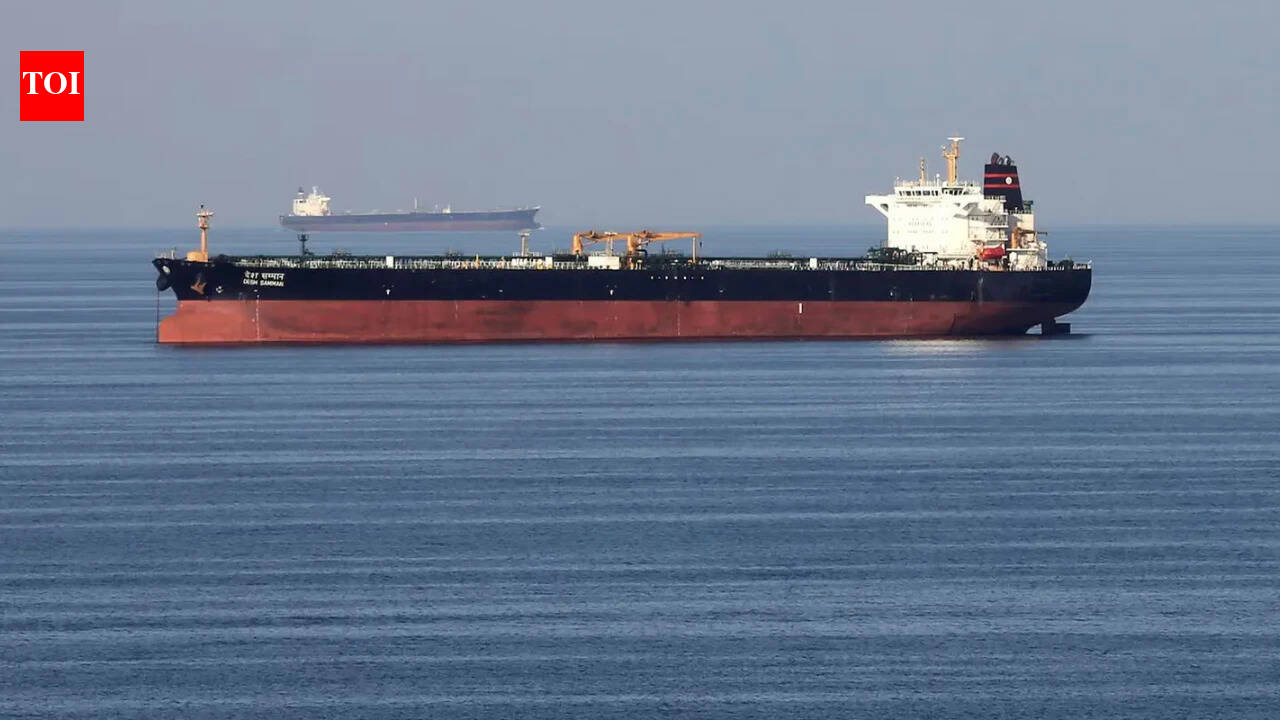
There were early indications of improvement in maritime traffic. Ship-tracking data showed that two crude tankers carrying just under two million barrels of oil transited the Strait of Hormuz on Monday, suggesting flows were recovering after slowing on Sunday amid security concerns.
| Indicator | Monday Value | Prior Day Change |
|---|---|---|
| Brent crude | $78.15/barrel | +0.38% |
| WTI crude | $74.19/barrel | +0.46% |
| Tankers transiting Hormuz | 2 vessels (~2 million barrels) | Recovering from Sunday slowdown |
US Strategic Petroleum Reserve Falls to Historic Low
Separately, US Department of Energy data showed crude inventories in the Strategic Petroleum Reserve (SPR) fell to 331.2 million barrels last week, the lowest level since June 1983, highlighting tighter supplies following the US-Iran conflict.
Implications for Traders
For commodity traders and analysts, the key variables to monitor are: (1) the durability of the US-Iran détente, (2) the pace of shipping normalisation through the Strait of Hormuz, and (3) the continued drawdown of US strategic reserves. The market's current pricing reflects optimism tempered by scepticism — a fragile balance that could shift on any new headline from Washington or Tehran. The early transit of two tankers carrying nearly 2 million barrels is a positive signal, but sustained traffic data over the coming days will provide a clearer picture. Meanwhile, the SPR at its lowest in over 40 years underscores how the conflict has already drained emergency supplies, potentially amplifying price volatility if supply disruptions resume.
Sources: