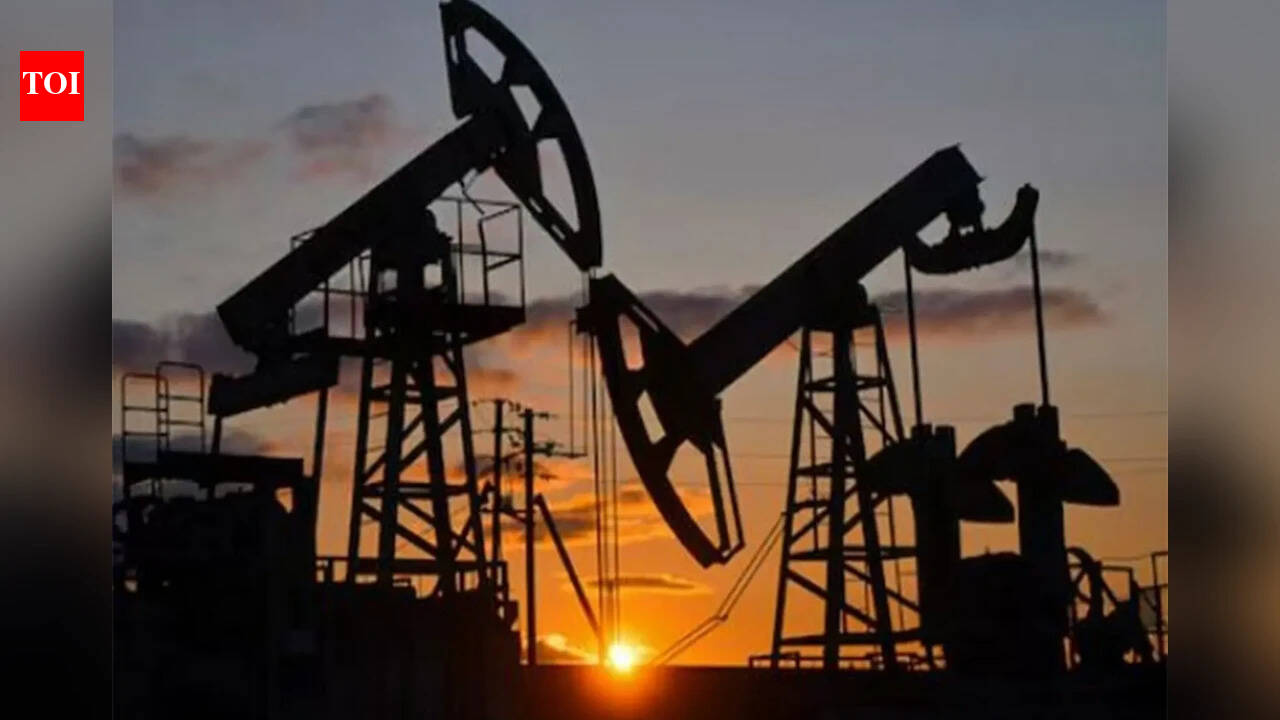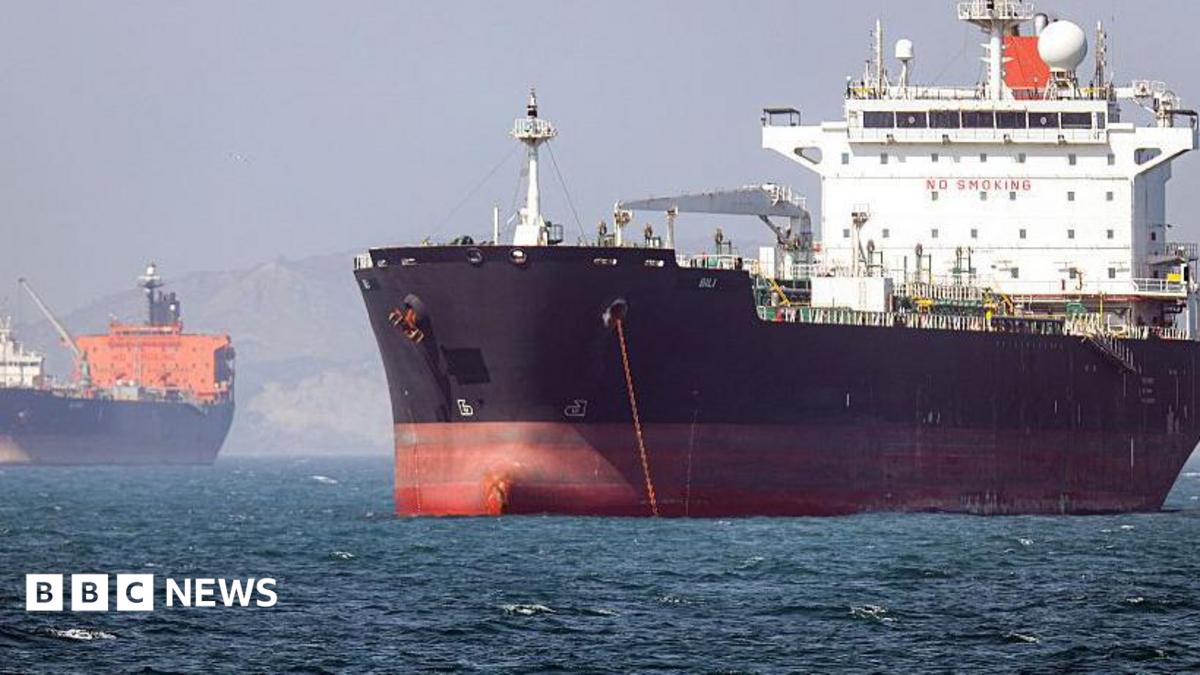
Oil prices tumbled more than 6% on Monday as hopes of a diplomatic breakthrough between the United States and Iran erased part of last month's rally, according to Business Today. Uncertainty over the negotiations and persistent security risks along key shipping routes has kept investors on edge, the report said.
Price action
As of 7:10 am, WTI crude was down 4.75% at $80.65 a barrel, while Brent crude fell 4.40% to $84.06 a barrel, Business Today reported. Earlier, Brent crude futures dropped more than 6% to $82.41 after US President Donald Trump said talks with Iran would be held on Monday.
| Benchmark | Price at 7:10 am (per barrel) | Decline | Earlier intraday price | Last month's rally |
|---|---|---|---|---|
| WTI crude | $80.65 | -4.75% | — | More than 20% |
| Brent crude | $84.06 | -4.40% | $82.41 (down more than 6%) | More than 20% |
Diplomatic driver
The announcement followed Trump's decision to call off an imminent attack on Iran in a bid to reach an agreement to reopen the Strait of Hormuz and resolve the deadlock over Tehran's nuclear capabilities, Business Today reported. Trump signalled a possible easing of tensions over the weekend. Writing on his Truth Social platform late on Saturday, he said Iran and other Middle Eastern countries had asked for time to finalise a deal that would ensure "the Immediate, Complete and Total" reopening of the Strait of Hormuz and "an end to Iran's nuclear threat".
Supply-side disruption watch
The sharp decline followed a rally of more than 20% in both benchmark contracts last month, fuelled by renewed conflict between the US and Iran and attacks on several tankers near Oman, Business Today reported. Those incidents heightened security concerns and discouraged shippers from entering the Gulf to load oil.
Shipping data painted a mixed picture, according to Business Today:
- Two Saudi oil tankers crossed the Bab el-Mandeb Strait from the Red Sea over the weekend.
- Movement through the Strait of Hormuz slowed following reports of vessel attacks.
- The United Kingdom Maritime Trade Operations said three more tanker attacks had been reported since Saturday.
OPEC+ quota increase
Separately, OPEC+ agreed on Sunday to raise its oil production quota by around 188,000 barrels a day from September, completing the unwinding of one layer of voluntary output cuts, Business Today reported. Even with the planned increase, the market has seen little impact. Export disruptions in the Gulf, Russia and Kazakhstan caused by the Iran and Ukraine wars have meant most of OPEC+'s monthly output hikes this year have not translated into additional supply.
Outlook and market focus
Business Today reported that questions remained over whether the diplomatic effort would succeed. IG market analyst Tony Sycamore told Reuters, as relayed by Business Today:
"The bigger focus is whether this week turns into a rinse and repeat of last week — with hopes of a deal collapsing as Iran digs in its heels and continues to leverage its control over the Strait, potentially through an attack on a US base or a tanker transiting the waterway."
Trump's weekend statement and the confirmed talks come after a month in which both benchmark contracts rallied more than 20% on the back of US-Iran conflict and tanker attacks near Oman, Business Today reported. With the United Kingdom Maritime Trade Operations reporting three additional tanker attacks since Saturday, the same report noted that persistent security risks along key shipping routes have kept investors on edge.
Sources: