Russia has reportedly purchased gasoline produced by India’s Nayara Energy through international traders as it grapples with fuel shortages resulting from Ukrainian attacks on its energy infrastructure, according to a Business-Today report citing Reuters.
Trade Flow Exposed
The identity of the supplier emerged a day after Reuters reported that Russia had begun importing gasoline from India by sea, though the refiner involved was not initially named. Nayara Energy, in which Russian oil giant Rosneft holds a 49% stake, has yet to comment on the development, the report stated.
Nayara Energy's EU Sanctions Impact
Since the European Union imposed sanctions on Nayara in July last year, the refiner has relied on traders to both source crude and export refined fuels, as payments with customers and suppliers became more complicated. Its 400,000-barrels-per-day refinery at Vadinar in Gujarat now processes only Russian crude after other suppliers withdrew following the sanctions, according to the report.
Volume and Vessel Tracking
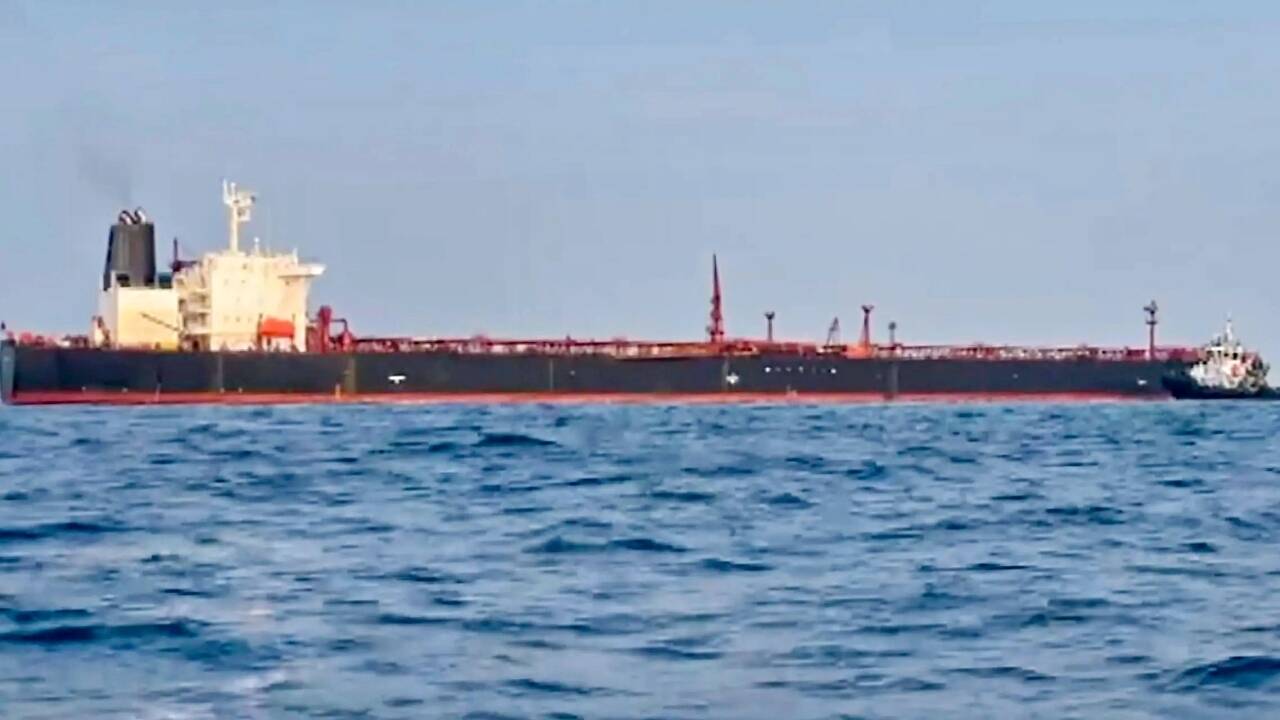
Reuters reported, citing industry sources, that at least 60,000 metric tons of gasoline have already been shipped from India to Russia. One source said two cargoes of 30,000–40,000 metric tons each had been dispatched. Documents reviewed by Reuters showed the tanker 'Agni' loaded gasoline at Vadinar on June 20 with Fujairah listed as its destination. However, vessel-tracking data from LSEG indicated the Cameroon-flagged ship sailed past Fujairah, entered the Suez Canal, and continued north, suggesting the cargo was bound for Russia.
Government Response
Union Petroleum Minister Hardeep Singh Puri said on Thursday that Indian companies were not directly selling fuel to Russia. He noted, however, that it was "possible" buyers could be sourcing Indian-made fuel through trading firms, the report added.
Implications for Global Gasoline Markets
The indirect supply of Indian gasoline to Russia highlights the growing complexity of global oil product trade amid sanctions. Nayara's reliance on traders to circumvent payment and compliance hurdles underscores how EU restrictions are reshaping supply chains. The reported shipments, if confirmed, indicate that Russian fuel shortages are prompting innovative procurement strategies through third-party intermediaries. Vessel-tracking evidence reinforces the pattern of Russian-origin products and now Indian-refined fuels moving through opaque trading routes. Market participants will monitor further vessel movements and any official confirmation from Nayara, as developments could influence regional gasoline pricing and arbitrage flows.
Sources: