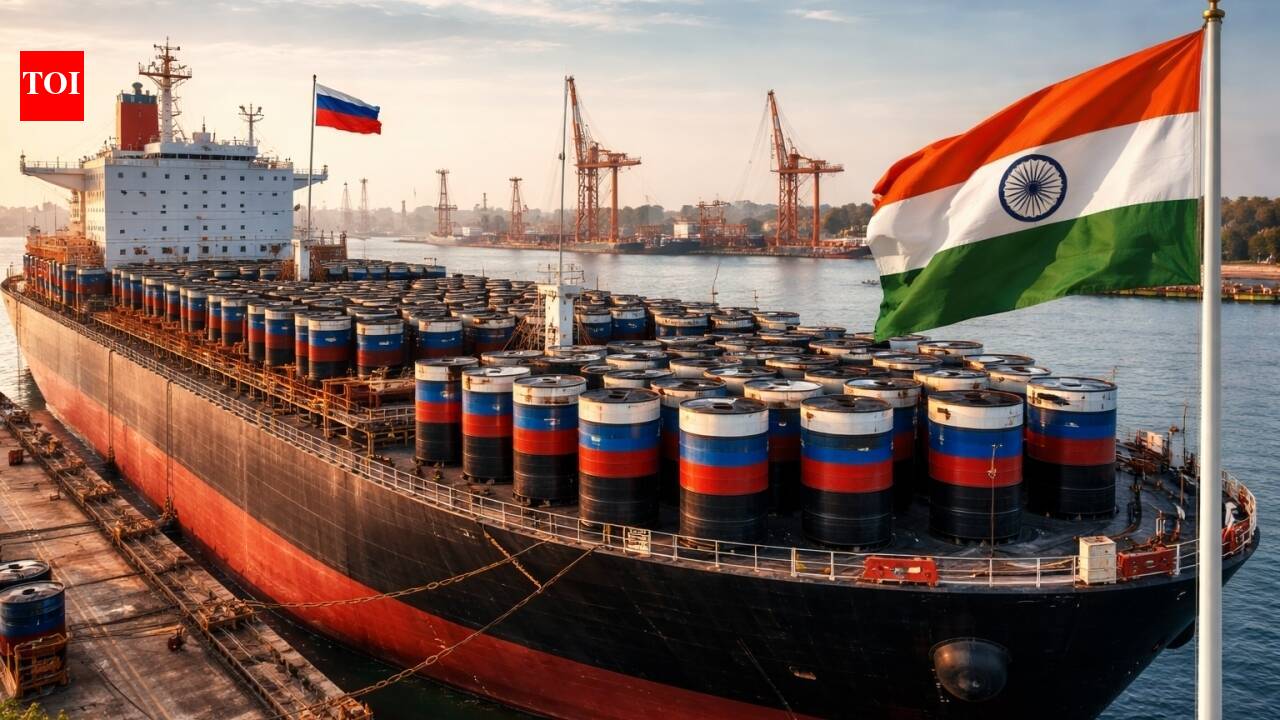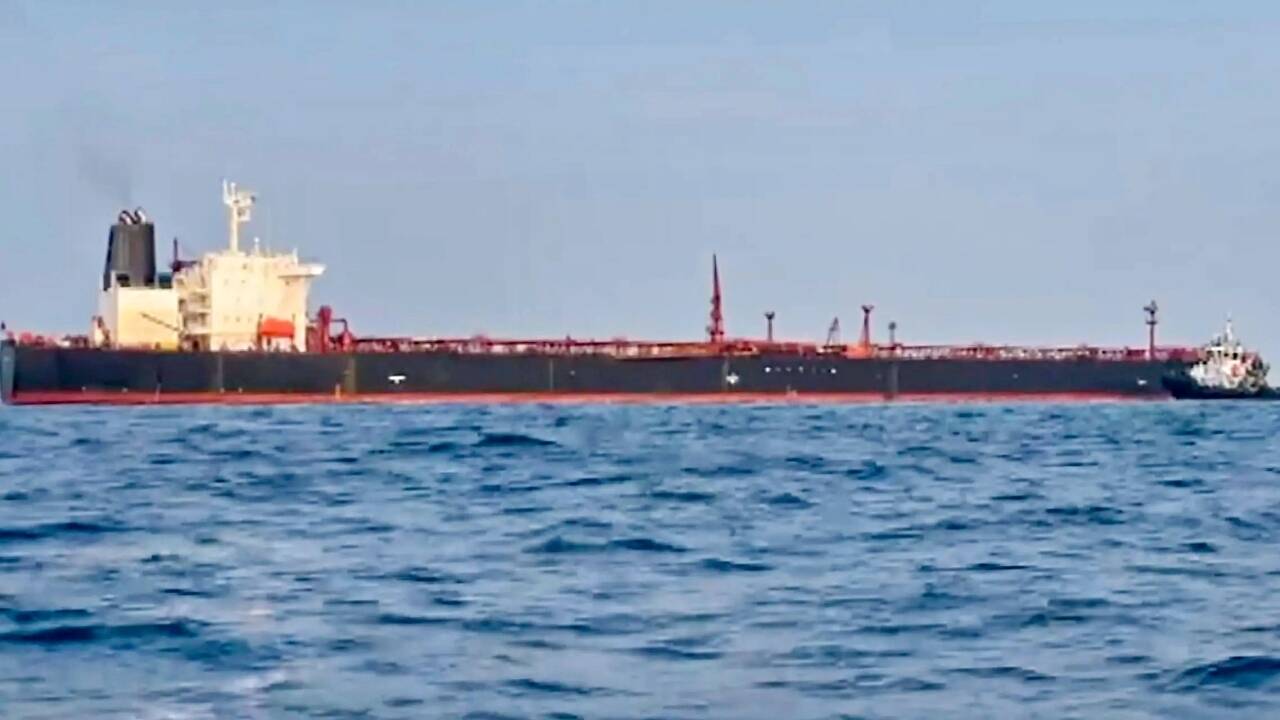
Business-Today reported, citing preliminary shipping data and trade sources relayed by Reuters, that Russia is importing nearly 270,000 metric tonnes of refined fuel from Asia in August, using ship-to-ship transfers to bring in supplies as repeated Ukrainian attacks on its oil refineries reduce domestic fuel production.
Ukraine Strikes Disrupt Russian Refining
The imports mark a sharp shift for Russia, which is normally a major net exporter of refined petroleum products, the report said. Persistent Ukrainian strikes on Russian energy infrastructure in recent months have disrupted refinery operations and contributed to fuel shortages across the country.
About one-third of the nearly 270,000 tonnes of refined fuel headed to Russia originated from India, while the remainder was loaded off the coasts of countries including South Korea and Malaysia, according to the shipping data and sources cited by Reuters.
About one-third of the nearly 270,000 tonnes of refined fuel headed to Russia in August originated from India, while the remainder was loaded off the coasts of countries including South Korea and Malaysia.
Ship-to-Ship Transfers and Origin Obscurity
Shipments are being arranged through ship-to-ship transfers, a method that can make it harder to trace the original source and route of the fuel. Sources told Reuters the transfers were likely being used to obscure the cargoes' origins because trade with Russia can expose companies and vessels to Western sanctions.
The shipping data showed no comparable fuel shipments arriving in Russia in July. Two tankers carrying refined products are expected to reach Russia's Far East this week, according to data from shiptrackers Vortexa and Kpler and trade sources.
- One tanker is carrying at least 40,000 tonnes of jet fuel loaded near Malaysia's Johor Strait through a ship-to-ship transfer; a trade source said the cargo originated in India.
- Another tanker loaded nearly 30,000 tonnes of gasoline through a ship-to-ship transfer off Yeosu in South Korea in early August, according to Kpler data and sources.
- Nearly 30,000 tonnes of refined fuel loaded in late July were also shipped to Russia from South Korea, Reuters reported.
Japan has banned jet fuel exports to Russia, including supplies routed through third countries or transferred between vessels at sea, in coordination with G7 countries and other partners.
Russia's Export Restrictions and Domestic Shortages
Moscow has responded to the domestic supply crunch by restricting its own fuel exports. Russia banned gasoline exports in April, followed by a ban on jet fuel exports in June and diesel exports in early July. It has since extended gasoline and diesel export restrictions until January next year in an effort to shore up domestic supplies.
| Product | Export ban imposed | Extension per source |
|---|---|---|
| Gasoline | April | Extended until January next year |
| Jet fuel | June | Not specified |
| Diesel | Early July | Extended until January next year |
The need to import fuel is particularly notable because Russia has traditionally exported large volumes of refined petroleum products. The latest imports indicate the extent to which attacks on its refining infrastructure have begun to affect the domestic fuel market, according to the report.
India's Rising Share in Russian Crude Trade
The August fuel shipments come as India's energy relationship with Russia remains significant, particularly in crude oil, the report said. India's imports of Russian crude reached a record share of 50.83% of its total crude imports in July, equivalent to around 2.47 million barrels per day, according to trade data cited by Reuters.
Indian refiners' Russian crude purchases were 62.4% higher than a year earlier, although they fell 4.8% from June's record level. Russia accounted for about 43.25% of India's crude imports during April-July, averaging more than 2 million barrels per day; the share was about 37% in the corresponding period a year earlier.
| India-Russia crude metrics | Value | Period | Comparison |
|---|---|---|---|
| Share of India's crude imports | 50.83% | July | Record |
| Import volume | ~2.47 million bpd | July | – |
| Year-on-year change | +62.4% | July | Higher |
| Month-on-month change | -4.8% vs June | July | Lower |
| April-July share | 43.25% | April–July 2026 | vs ~37% a year earlier |
| April-July average volume | More than 2 million bpd | April–July 2026 | – |
India's buying had slowed earlier this year as refiners sought to avoid higher US tariffs while New Delhi negotiated a trade agreement with Washington, according to the report.
Sources: