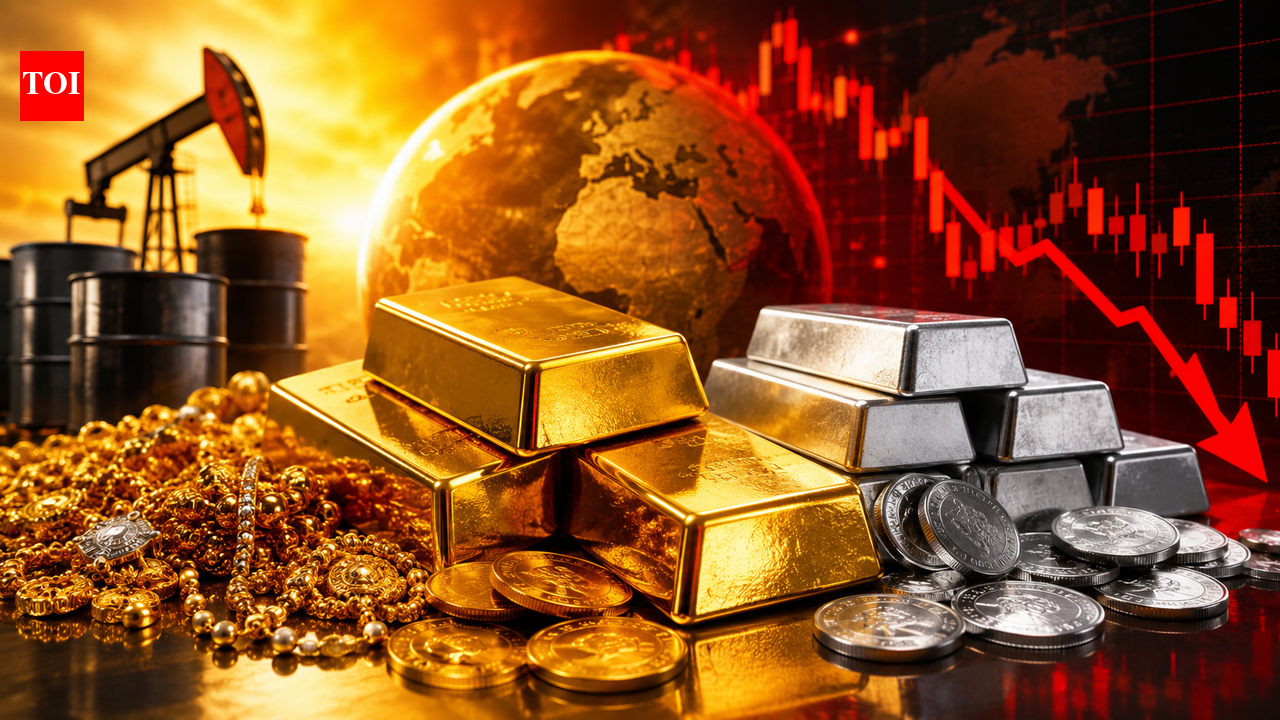
Gold prices tumbled over 2% and silver dropped nearly 4%, according to a report in The Times of India, as a sharp rise in crude oil prices stoked inflation anxieties and reinforced expectations that the US Federal Reserve could delay monetary policy easing or even consider further rate hikes. The selloff underscores the growing tension between geopolitical risk and monetary tightening concerns in commodity markets.
Price Action and Key Drivers
The Times of India reported that gold fell more than 2% and silver slumped nearly 4% during the trading session. While specific exchange, contract month, and absolute price levels were not detailed in the report, the magnitude of the decline highlights the sensitivity of precious metals to shifting macroeconomic expectations. The primary catalyst cited was a surge in crude oil prices triggered by escalating tensions in the Middle East.
| Commodity | Price Change | Key Driver |
|---|---|---|
| Gold | Over -2% | Rising oil prices, inflation concerns, rate hike expectations |
| Silver | Nearly -4% | Same as gold, with higher volatility in industrial metals |
Impact of Oil Prices and Interest Rate Expectations
According to market experts quoted in The Times of India, the sharp increase in crude oil has revived concerns that inflation could remain elevated for longer, prompting central banks — particularly the US Federal Reserve — to maintain restrictive monetary policies. Since gold does not generate interest or yield, higher borrowing costs tend to reduce its attractiveness compared with interest-bearing assets. The report noted that the changing outlook for interest rates has added pressure on bullion even amid ongoing geopolitical uncertainty in the Middle East.
Analysts explained that the Middle East tensions pushed crude prices sharply higher, reinforcing expectations that the Fed may delay monetary policy easing or even consider further rate hikes if inflation remains persistent. This dynamic has created a headwind for precious metals, which typically benefit from safe-haven demand during geopolitical crises. However, the overriding influence of interest rate expectations has outweighed geopolitical risk in the current environment.
Outlook for Precious Metals
The Times of India report did not provide specific price forecasts or upcoming data releases, but the prevailing narrative suggests that precious metals will remain sensitive to oil price movements and central bank policy signals. For commodity traders and analysts tracking the metals markets, the key variables to watch are the trajectory of crude oil prices, any further escalation in Middle East tensions, and the next policy decision from the Federal Reserve. The interplay between inflationary pressure from energy costs and the potential for higher interest rates will continue to dictate the near-term direction for gold and silver.
Given that the report highlights the pressure on bullion despite geopolitical uncertainty, market participants should monitor US inflation data and Federal Reserve communications for clues on the pace of monetary tightening. Elevated oil prices could keep precious metals under pressure, especially if they trigger further hawkish signals from central banks. The substantial decline in silver, which fell nearly double the percentage of gold, indicates that industrial demand concerns may also be weighing on the metal.
Sources: