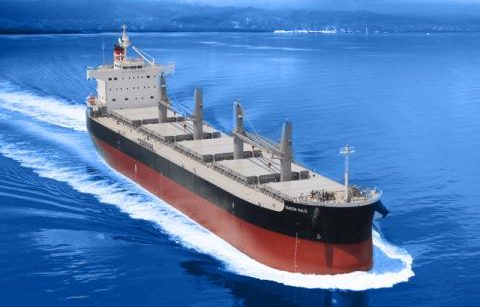
Global seaborne nickel ore volumes climbed by more than 22% year on year to 26.1m tonnes during the second quarter, according to Signal Ocean data, generating additional employment for supramax and ultramax bulkers while renewing scrutiny of one of shipping’s most dangerous cargoes.
Trade Surge and Key Routes
The rapid growth is shifting longstanding trade patterns. Broker Braemar said nickel ore had spent most of the 2020s as a relatively steady, short-haul Pacific trade, with shipments typically peaking in the second and third quarters. That pattern is now changing as greater Philippine export availability, rising Chinese import demand and the emergence of Indonesia as a major buyer combine to lift cargo volumes.
China's Record Imports
China imported close to 20m tonnes of nickel ore during the first half of 2026, Braemar data shows, an increase of around 5m tonnes compared with the same period last year and putting the country on course for record annual imports. The Philippines remains the dominant supplier, with its miners benefiting from seasonal improvements in operating conditions as well as rising requirements from processing plants in China and Indonesia.
Indonesia's Shift from Exporter to Importer
Indonesia imported close to 16m tonnes of nickel ore last year, having previously been the world’s leading exporter. Indonesian exports peaked at around 65m tonnes in 2013 as companies built inventories ahead of a raw ore export ban introduced in January 2014. Further restrictions imposed in 2020 were designed to force investment in domestic processing and reduce the export of unprocessed material. The resulting expansion of Indonesia’s smelting industry is now generating a growing requirement for imported ore.
The country’s Energy and Mineral Resources Ministry has set a nickel ore production target of around 260m tonnes for 2026, down from 320m tonnes last year, as Jakarta seeks to ensure sufficient feedstock for domestic smelters while preventing oversupply and downward pressure on global nickel prices. Officials have indicated that mining quotas could be reviewed to address shortages at individual smelters, although any increase is expected to be limited. Indonesian mining companies have warned that tighter quotas will encourage further imports from the Philippines, potentially adding another layer of demand for Pacific minor bulk shipping.
| Metric | Value | Source |
|---|---|---|
| Q2 2026 seaborne nickel ore volumes | 26.1m tonnes (+22% YoY) | Signal Ocean |
| China H1 2026 imports | Braemar | |
| Indonesia 2025 imports | ~16m tonnes | Braemar |
| Indonesia 2025 production | 320m tonnes | Indonesia Energy Ministry |
| Indonesia 2026 production target | 260m tonnes | Indonesia Energy Ministry |
A separate vulnerability comes from sulphur supplies. Indonesia sources around 75% of the sulphur required to produce sulphuric acid for its nickel-leaching operations from the Middle East, according to Braemar. Disruption to those flows could affect smelter utilisation and, in turn, the country’s requirement for imported ore.
Safety Risks for Bulk Carriers
The rapid growth in nickel ore movements is accompanied by a familiar and potentially deadly shipping risk. Nickel ore from the Philippines and other tropical exporters typically undergoes little processing before shipment and contains a high proportion of fine clay and soil particles. These retain moisture and can lose strength under the repeated motion of a ship, causing the cargo to behave like a liquid — a phenomenon known as liquefaction. This hazard has historically led to cargo shifts and vessel losses, and the surge in volumes heightens the need for strict adherence to international regulations on moisture content testing and safe loading practices.
Outlook and Shipping Implications
The combination of China's record import pace, Indonesia's shift to net importer, and potential mining quota adjustments suggests continued strong demand for supramax and ultramax tonnage on Pacific routes. However, the safety dimension adds operational complexity for charterers and shipowners, especially during the second and third quarter peak season when the risk of high-moisture cargoes is elevated. Traders and logistics teams will need to monitor Indonesian policy developments closely, as any changes to mining quotas or sulphur supply disruptions could quickly alter trade flows and vessel requirements.
Sources: