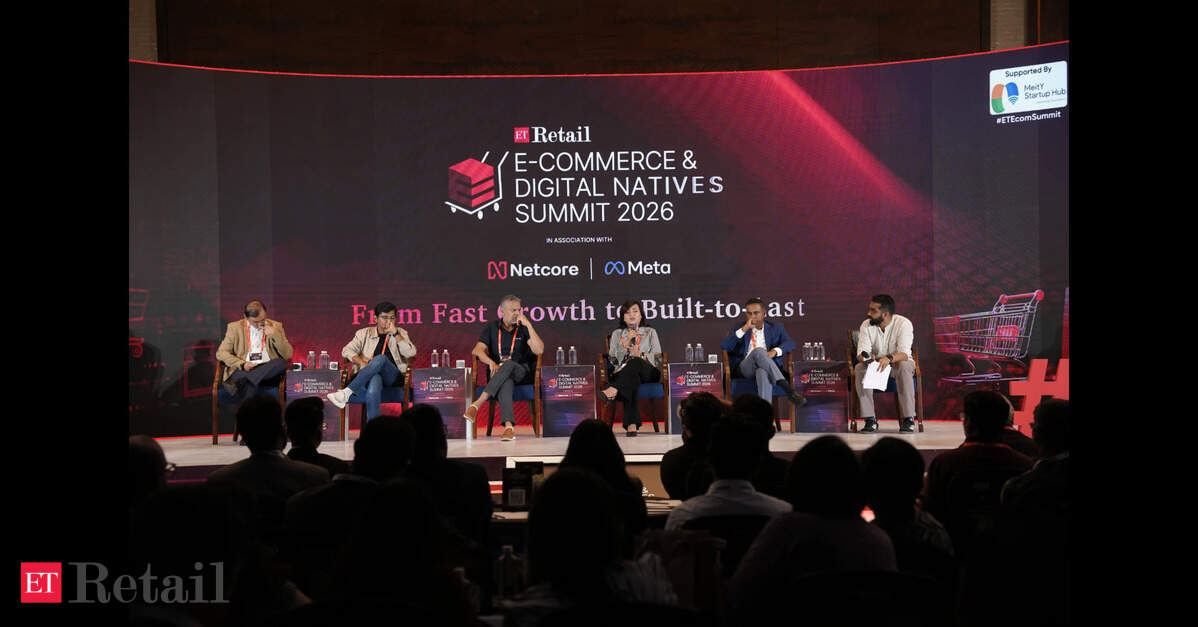
Day 1 of the 6th edition of the ET E-commerce & Digital Natives Summit (EDNS) 2026 signaled a new era for Indian e-commerce, with founders, investors, and business leaders mapping the future of India's $300-billion digital commerce opportunity. Trust, operational excellence, AI-led commerce, and deeper penetration into Bharat emerged as the defining themes, according to Industries.
Trust as the Foundation of Enduring Brands
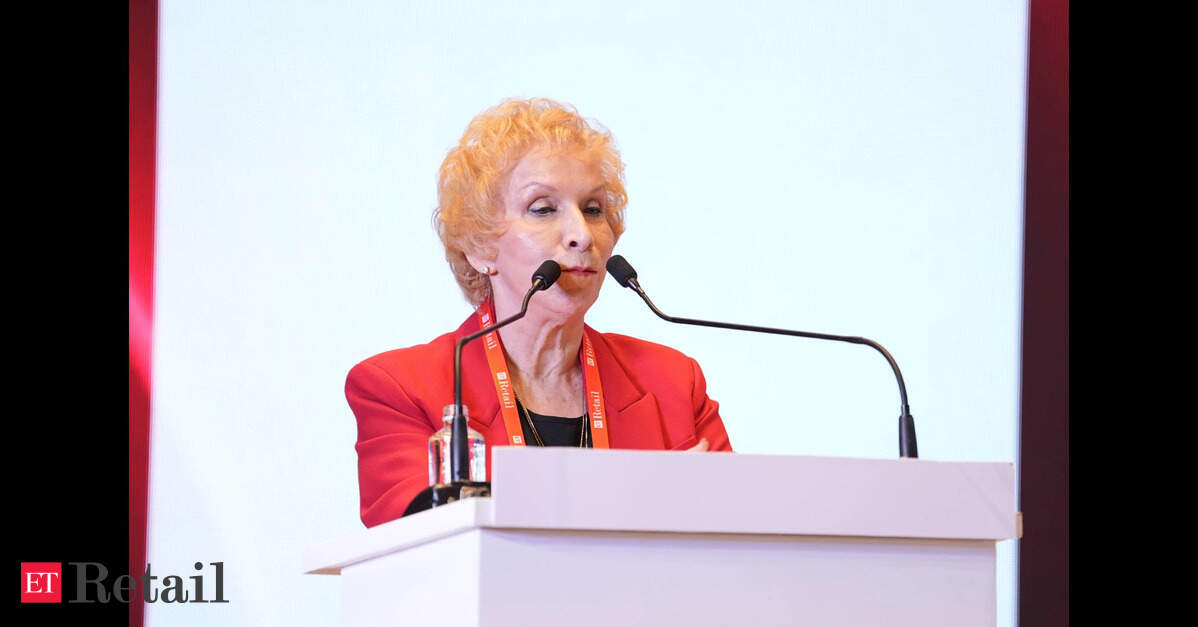
"Never betray the trust of the consumer," said Varun Berry, Retail Veteran and Former MD & Vice Chairman of Britannia Industries, according to Industries. Berry emphasised that consumers expect brands to consistently deliver on promises around quality, integrity, transparency and respect. "Trust compounds over time, and enduring brands are built on compounded trust," he added. Venu Nair, Chief of Strategic Partnerships & Omnichannel and Senior Vice President at Myntra, echoed the sentiment: "Being true to your promise, true to what the brand is, and staying with that is very, very important."
Scaling Beyond Rs 500 Crore: A New Playbook
As Indian e-commerce transitions from rapid customer acquisition to retention and profitability, founders discussed the challenges of scaling beyond Rs 500 crore in revenue. Nikhil Doda, Co-Founder of Lahori Zeera, noted, "The journey of zero to 100 is something else, and then the journey of scaling is different; it is more execution than strategy." Gurukeerthi Gurunathan, Co-founder of CaratLane, highlighted operational excellence as the post-scale challenge: "Once product-market fit is achieved, the post-500 crore journey is about waking up to problems and solving them systematically." He added that inventory intelligence, supply chain efficiency and sharper marketing decisions become critical growth levers at scale.
Sidhant Keshwani, Founder and CEO of Libas, pointed out the complexity of scaling fast fashion businesses, where hundreds of new styles need simultaneous management. "Doing this scale manually is impossible; tech has to be the backbone of inventory movement," Keshwani said, noting that Libas launches nearly 175 new designs every week.
Bharat: The Next Growth Frontier
Leaders argued that the $300-billion e-commerce opportunity will be driven by aspirational shoppers in Tier-II and Tier-III markets. Achint Setia, CEO of Snapdeal, said the next wave of growth lies in serving value-conscious consumers outside metros who are digitally aware and increasingly fashion-forward. "They are no less than any of us sitting here in terms of their awareness of what good fashion is and their aspiration of what they want to buy," Setia stated.
For luxury commerce, Gopal Asthana, CEO of Tata CLiQ, revealed that more than half of Tata CLiQ Luxury's business now comes from non-metro markets, with consumers from cities such as Nagpur, Ranchi, Jamshedpur, and Patna purchasing products worth several lakhs online.
Gaurav Agarwal, Co-Founder of Tata 1mg, challenged conventional wisdom around expansion: "One of the biggest lies that has been propagated in commerce is that growth comes from going broad. The lesson we have learned is that growth comes from going deep."
| Leader | Company | Key Insight |
|---|---|---|
| Varun Berry | Britannian Industries | "Trust compounds over time" |
| Venu Nair | Myntra | "Being true to your promise" |
| Nikhil Doda | Lahori Zeera | Scaling requires execution, not just strategy |
| Gurukeerthi Gurunathan | CaratLane | Post-scale: solve problems systematically |
| Sidhant Keshwani | Libas | Tech must manage 175 new designs/week |
| Achint Setia | Snapdeal | Bharat consumers are fashion-aware |
| Gopal Asthana | Tata CLiQ | 50%+ luxury sales from non-metros |
| Gaurav Agarwal | Tata 1mg | Growth from going deep, not broad |
AI and Operational Excellence
The summit underscored AI-led commerce as a key enabler. While specific AI applications were not detailed, the consensus was that enduring businesses are built through discipline, not just speed. Operational excellence — from inventory intelligence to supply chain efficiency — was cited as critical for growth at scale. For cross-border e-commerce sellers and marketplace operators, the focus on trust and compound trust implies that long-term brand building and consistent quality will be essential to capture India's emerging markets. For B2B platform managers, the emphasis on deeper penetration into Bharat signals opportunities for logistics and payment solutions targeting Tier-II and Tier-III cities.
The conversations at EDNS 2026 indicate that Indian e-commerce is entering a phase where profitability and consumer trust are paramount. Sellers and platforms should note the shift towards systematic execution, technology backbone for inventory, and the growing purchasing power of non-metro consumers. These trends will shape digital trade compliance, logistics partnerships, and platform positioning in the coming years.
Sources: