iGEN
Visit IGEN World Explore IGEN Expo
EXPLORE UPGRADE PLANS
BREAKING
TCL Note A1 Nxtpaper Review: Hybrid Tablet Blends Note-Taking with Video on a Matte LCD Crude Oil, West Asia Developments, Inflation Data to Drive Markets This Week: Analysts Beats Powerbeats Pro 2 Top WIRED's Sweatproof Workout Earbuds After Hundreds Tested AI Barons Pledge Fortunes to Charity, but Critics Question Philanthropy's Limits India considers restricting Carbosulfan insecticide use weeks after proposing ban on Paraquat Tractor sales grew 28% in July on better monsoon, rural demand The food fortified frontier: Corporate India’s next major FMCG growth engine From infrastructure to energy storage: Zinc's expanding role in India's development journey India’s markets have strong domestic cushion, but global risks loom: Sebi AI's role in making complex agricultural technologies easier to discover, compare and evaluate TCL Note A1 Nxtpaper Review: Hybrid Tablet Blends Note-Taking with Video on a Matte LCD Crude Oil, West Asia Developments, Inflation Data to Drive Markets This Week: Analysts Beats Powerbeats Pro 2 Top WIRED's Sweatproof Workout Earbuds After Hundreds Tested AI Barons Pledge Fortunes to Charity, but Critics Question Philanthropy's Limits India considers restricting Carbosulfan insecticide use weeks after proposing ban on Paraquat Tractor sales grew 28% in July on better monsoon, rural demand The food fortified frontier: Corporate India’s next major FMCG growth engine From infrastructure to energy storage: Zinc's expanding role in India's development journey India’s markets have strong domestic cushion, but global risks loom: Sebi AI's role in making complex agricultural technologies easier to discover, compare and evaluate
Home ›› Ecommerce Marketplaces ›› Trade Payments ›› RBI Governor Says 'Someone Has to Pay' on UPI MDR Above Rs 2,000

RBI Governor Says 'Someone Has to Pay' on UPI MDR Above Rs 2,000

India is expected to allow a Merchant Discount Rate of 0.25% to 0.4% on UPI transactions above Rs 2,000 made to businesses. RBI Governor Sanjay Malhotra said the costs have to be paid by someone, while P2P payments are likely to remain exempt.

iG
iGEN Editorial
August 5, 2026
RBI Governor Says 'Someone Has to Pay' on UPI MDR Above Rs 2,000

According to Business Today, India’s government is expected to permit banks and payment service providers to charge a Merchant Discount Rate (MDR) of 0.25% to 0.4% on Unified Payments Interface (UPI) transactions above Rs 2,000 made to businesses, while person-to-person (P2P) payments are likely to remain exempt. The proposed levy would follow from a legislative amendment that removes the existing restriction preventing banks and payment service providers from charging an MDR on notified electronic payment modes.

What the Bill proposes

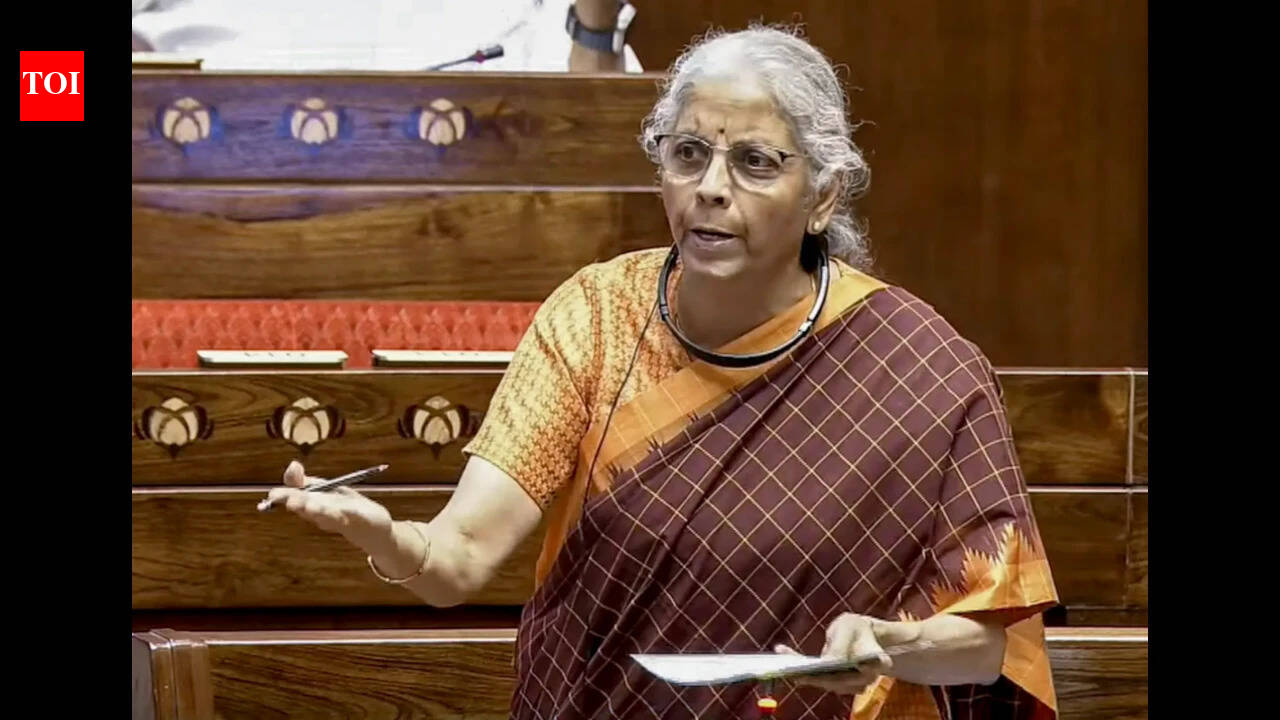
The Taxation and Other Laws (Amendment) Bill, introduced in Parliament on Tuesday by Finance Minister Nirmala Sitharaman, proposes removing the existing restriction that prevents banks and payment service providers from charging an MDR on notified electronic payment modes, Business Today reported. Government officials said no decision has yet been taken on when the proposed changes would come into effect.

RBI governor: “Someone has to pay the cost”

Reserve Bank of India (RBI) governor Sanjay Malhotra said on Wednesday that it is premature to comment on how the cost would be distributed. Speaking at the post monetary policy press conference, he said:

It is very premature to talk right now. The government is still carrying out the amendment. The costs have to be paid by someone. We all want that this public infrastructure should continue to strengthen. Let's wait and watch for further developments on this.

Asked whether the end-user will bear the cost, Malhotra said the consumer ultimately pays in some form. “Please keep in mind that ultimately it is the consumer in some way or the other who's paying,” he said, according to the report. “So, it may not be the same consumer. It may be the general economy, and you don't get to see it directly.”

Transaction volumes and the Rs 2,000 threshold

According to official estimates cited by Business Today, the Rs 2,000 threshold would cover only around 5% of all UPI transactions, although these account for nearly 65% of the total value processed on the platform. UPI processed 23.7 billion transactions worth Rs 29.9 lakh crore in July. Routine purchases such as milk, vegetables, groceries, or payments for auto-rickshaws and taxis are unlikely to be affected, the report said.

“Even if implemented, 95% of the transactions will not face the merchant discount rate. Besides, not all businesses are going to pass on the fees, which will be a small amount,” an official told the publication.

How the proposed MDR compares with card fees

Currently, both credit and debit card transactions attract an MDR, although most merchants absorb the cost instead of passing it on to customers, the report said. Industry executives said the government is also expected to prescribe an upper limit on the maximum MDR that can be charged.

Payment mode Applicable MDR Conditions
UPI (proposed) 0.25% to 0.4% Transactions above Rs 2,000 to businesses; P2P likely exempt
Credit cards Up to 3% MDR not regulated; can reach 3% of transaction value
Debit cards Up to 0.4% Transactions up to Rs 20 lakh
Debit cards Up to 0.9% Transactions above Rs 20 lakh

“Unlike credit cards, there is no funding cost involved so it makes sense to have a ceiling once the costs are covered,” an industry source said.

What businesses and payment providers should watch

  • Businesses that accept UPI should track transaction sizes: only payments above Rs 2,000 to businesses are being considered for the MDR, according to the report.
  • P2P UPI payments are likely to remain exempt, the report said.
  • The government is expected to prescribe an upper limit on the maximum MDR, according to industry executives cited by the report.
  • Government officials said no effective date has been decided for the proposed changes.

For businesses that factor payment costs into pricing, the RBI governor’s remarks underscore that the cost of running UPI infrastructure is already being passed through the economy. “The cost is already getting passed on. It may not be directly on to the very user, but someone is paying the cost,” Malhotra said, according to the report. The final shape of the MDR regime, including the ceiling and the transaction threshold, will determine how that cost lands on merchants and customers.


Sources: Business-Today
Keep Reading

Recommended Stories

UPI MDR Charges: 0.25–0.4% Levy Proposed on Transactions Above Rs 2,000 for Merchants E-Commerce & Marketplaces

UPI MDR Charges: 0.25–0.4% Levy Proposed on Transactions Above Rs 2,000 for Merchants

The Lok Sabha cleared a Bill amending the Payment and Settlement Systems Act, 2007, enabling charges on UPI and other notified payment modes. The government is expected to permit a Merchant Discount Rate of 0.25–0.4% on UPI transactions above Rs 2,000 made to businesses, while consumers and small merchants remain exempt, according to Business-Today.

August 7, 2026
UPI MDR Clarified: Sitharaman Says Merchants Will Bear Fee, Customers Won't Pay E-Commerce & Marketplaces

UPI MDR Clarified: Sitharaman Says Merchants Will Bear Fee, Customers Won't Pay

Finance Minister Nirmala Sitharaman clarified that any Merchant Discount Rate on UPI transactions would be levied on merchants, not customers, responding to Congress leader Jairam Ramesh's concerns. No decision on MDR has been made yet; the NPCI-headed UPI and Services Steering Committee will examine the matter only after Parliament passes the Taxation and Other Laws (Amendment) Bill, 2026.

August 7, 2026
India moves to allow UPI merchant discount rate via payments act amendment E-Commerce & Marketplaces

India moves to allow UPI merchant discount rate via payments act amendment

India has moved a step closer to allowing merchant charges on UPI transactions after proposed amendments to the Payment and Settlement Systems Act were introduced in Parliament by Finance Minister Nirmala Sitharaman. The amendment would create the legal framework for a merchant discount rate; sources quoted by Reuters say no fee quantum or transaction categories have been decided, while a government source cited a possible 0.3%–0.5% MDR on transactions above Rs 2,000 for merchants with turnover above Rs 15 million.

August 4, 2026
RBI Governor Malhotra Says Consumers Already Bear UPI Costs Indirectly E-Commerce & Marketplaces

RBI Governor Malhotra Says Consumers Already Bear UPI Costs Indirectly

RBI Governor Sanjay Malhotra says consumers already bear UPI costs indirectly through the broader economy, even without explicit merchant fees. The government has proposed amendments to allow UPI merchant fees, with reports of a Rs 2,000 threshold, while Malhotra says the fee decision is premature.

August 6, 2026