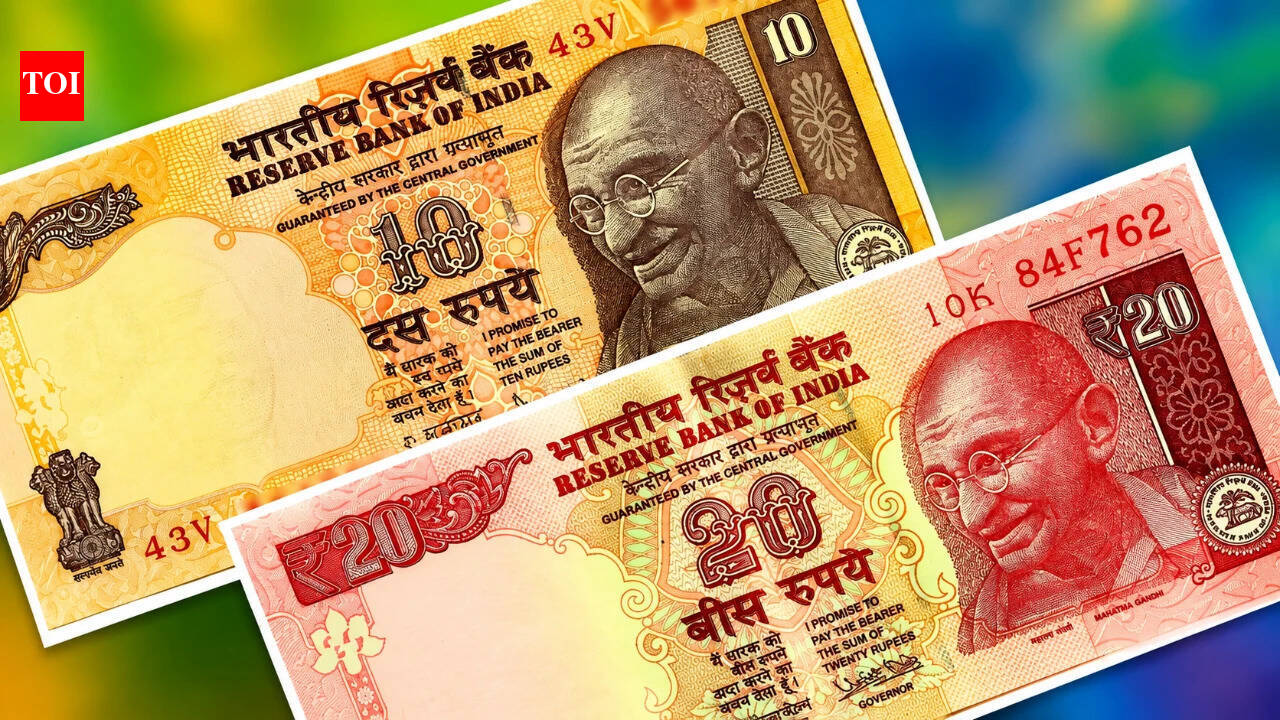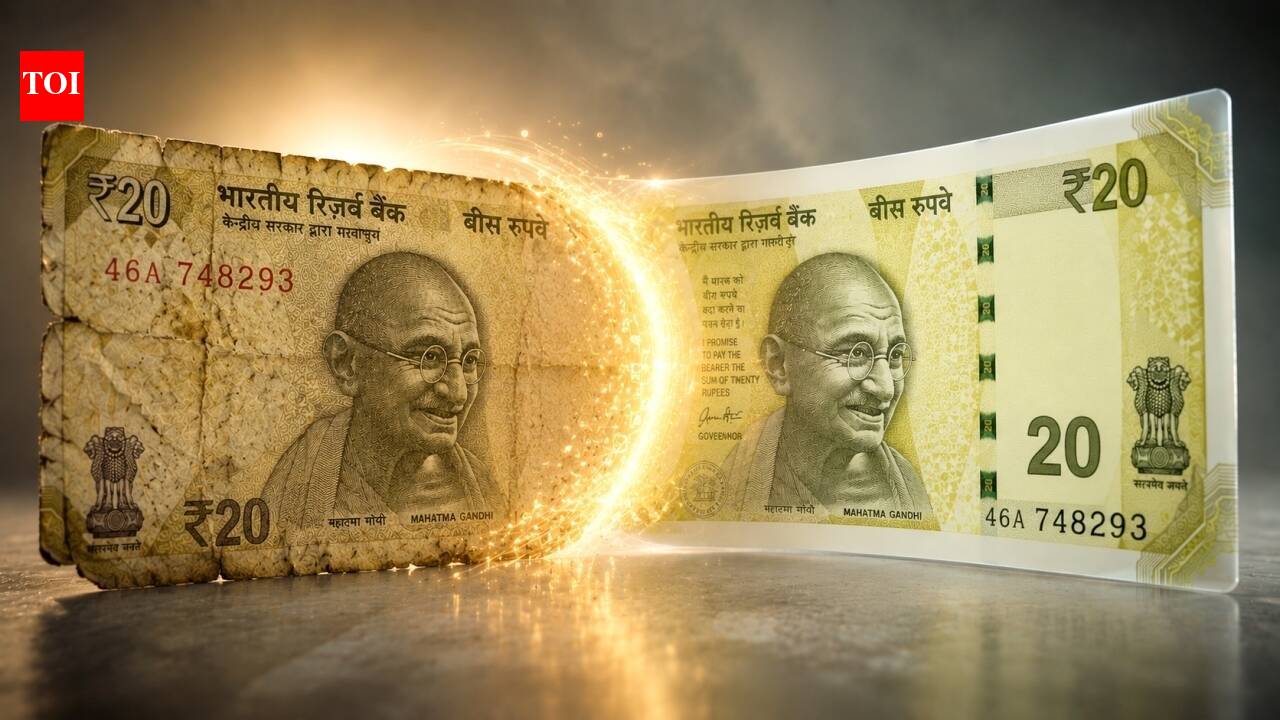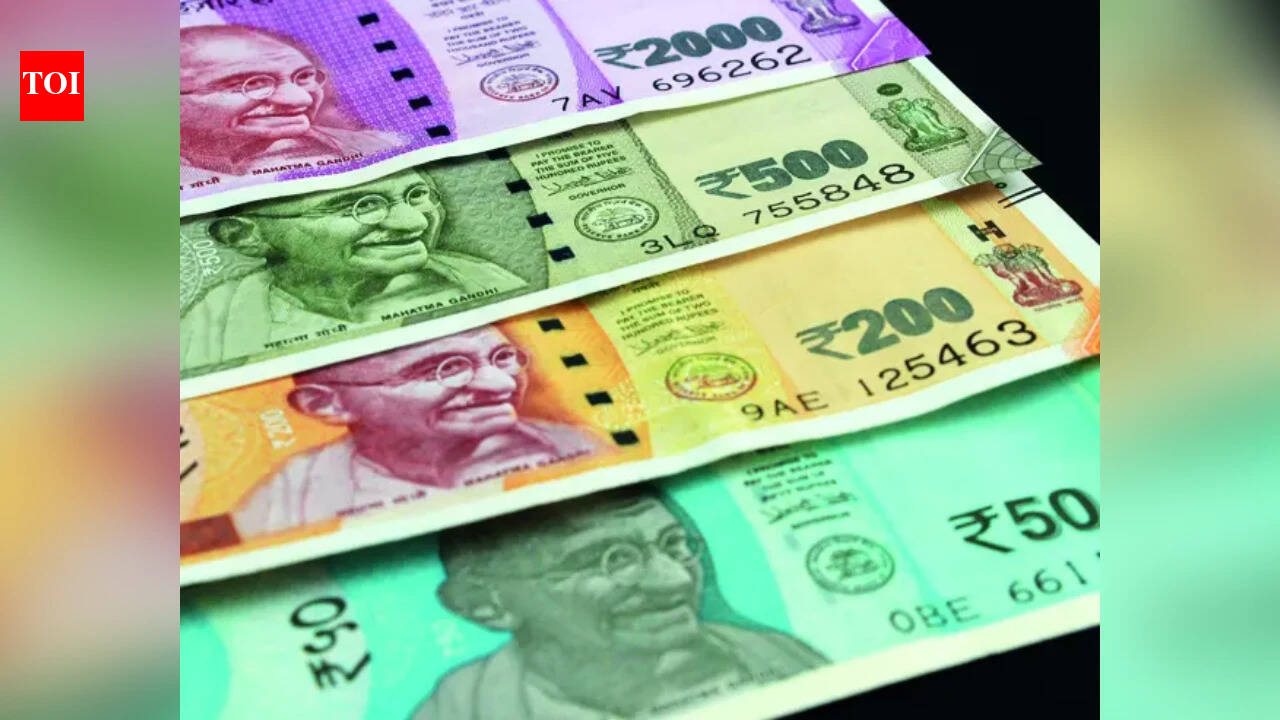
The Indian government has approved the printing of 2 billion polymer banknotes – 1 billion each in Rs 10 and Rs 20 denominations – for field trials, Minister of State for Finance Pankaj Chaudhary told the Lok Sabha on Monday, according to a report by Business Today.
Government Approval and Field Trials
The Centre has permitted the Reserve Bank of India (RBI) to print these notes initially for field trials, Chaudhary informed Parliament. He stated that the notes – which are currently hard to find in circulation – will be printed for trials and for regular issue after the trials are completed. The minister ruled out any move to replace paper currency with polymer substrate banknotes, emphasizing that both will co-exist.
RBI has recently floated a tender to source material for the polymer notes, a project that has been under discussion for nearly two decades. The approval also includes an expansion of currency printing infrastructure, which had been facing capacity constraints. Officials indicated it could take a few months before the new notes are launched, as the government and RBI want to ensure safety and avoid any link with material supplied to countries such as China and Pakistan.
Currency in Circulation: Coins vs. Banknotes
In recent years, RBI has sought to push coins in the Rs 10 and Rs 20 denominations. According to RBI data, these denominations together accounted for nearly a quarter of banknotes in circulation at the end of the last financial year, while in terms of value their combined share was just 1.4%.
| Denomination | Number of Notes Printed (billions) | Share of Banknotes in Circulation (volume) | Share in Value |
|---|---|---|---|
| Rs 10 | 1 | ~25% (combined with Rs 20) | 1.4% (combined) |
| Rs 20 | 1 | ~25% (combined with Rs 10) | 1.4% (combined) |
Longer Lifespan and Preliminary Phase
Chaudhary told Parliament: "RBI has informed that as per international studies, the life span of polymer banknotes is significantly higher than that of paper banknotes. The introduction of polymer banknotes is currently in a preliminary phase."
This move is expected to reduce the frequency of note replacement over the long term, potentially lowering costs for the central bank and the government. For businesses handling high volumes of small-denomination cash – such as retail and transport – longer-lasting notes could mean fewer disruptions and lower operational friction.
Implications for Trade Finance and Business Operations
While the announcement is primarily a currency management initiative, it has practical implications for treasury professionals and CFOs operating in India. Durable polymer notes can improve cash-handling efficiency, reduce ATM downtime, and lower the cost of cash management for companies. The coexistence of paper and polymer means businesses will need to adapt handling and sorting equipment to accommodate both types. However, the phased rollout and focus on lower denominations (Rs 10 and Rs 20) – which are less commonly used in large-value transactions – limits the direct impact on trade finance flows, which typically involve higher denominations and digital payments.
Sources: