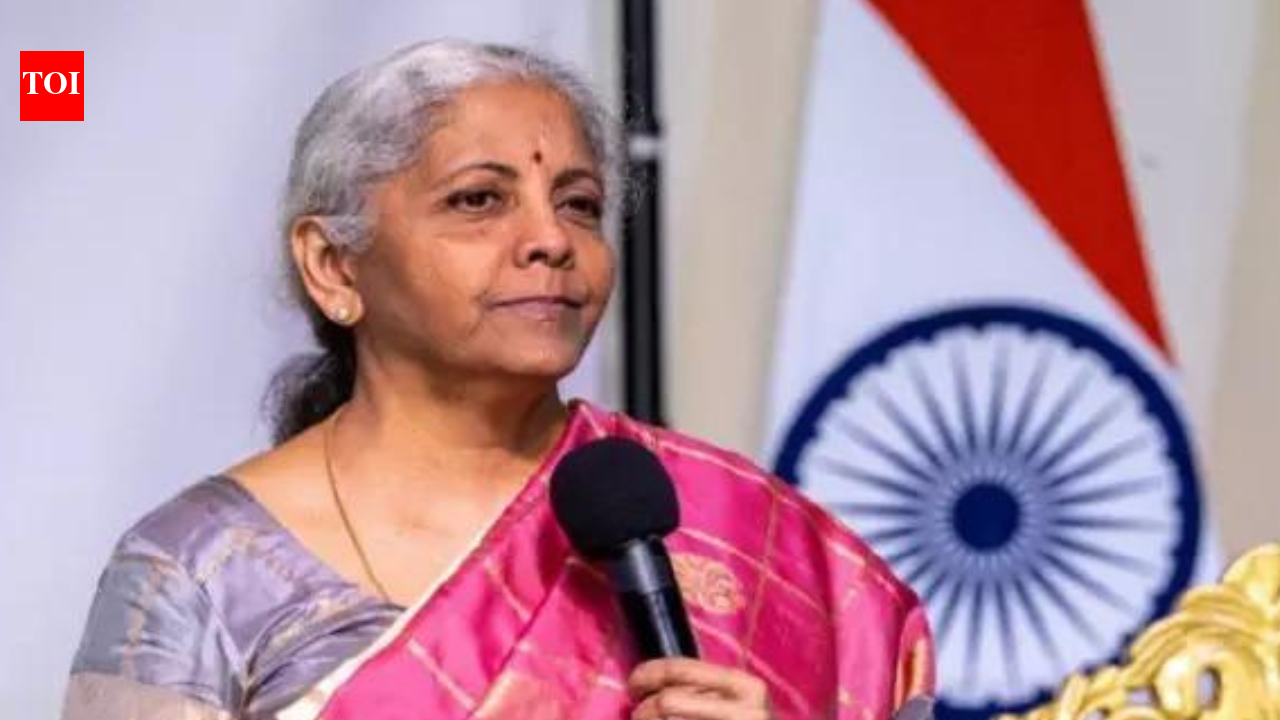
Finance Minister Nirmala Sitharaman on Monday announced that the number of Jan Dhan accounts has crossed 58 crore, marking a major milestone in India's push for financial inclusion. According to the Finance Minister's Office, the Pradhan Mantri Jan Dhan Yojana (PMJDY) has successfully brought crores of Indians into the formal banking system, strengthening direct benefit transfers and ensuring welfare scheme benefits reach intended beneficiaries without leakages.
Account Demographics and Benefits
The PMJDY, launched on August 28, 2014, is among the world's largest financial inclusion initiatives. Official data cited in the announcement reveals that 56% of account holders are women and 67% of accounts have been opened in rural and semi-urban areas. The scheme offers a zero-balance facility, free RuPay cards, accidental insurance cover, and an overdraft facility, enabling millions to access banking services without cost barriers.
Direct Benefit Transfer Impact
A key achievement of the scheme is the seamless transfer of welfare benefits. The government reported that Rs 45 lakh crore has been transferred directly into beneficiary accounts through the Direct Benefit Transfer (DBT) mechanism, eliminating intermediaries and reducing fraud. As a result, 94% of India's adult population now has a bank account, according to the official statement.
Quotes from Finance Minister
In a post on X, Sitharaman said, "Garib Kalyan is Hon'ble PM Shri @narendramodi's guarantee of dignity, opportunity and empowerment for every Indian." She added that India has stood out globally in its fight against poverty and deprivation.
Key Statistics Summary
| Metric | Value |
|---|---|
| Total Jan Dhan accounts | 58 crore (580 million) |
| Women account holders | 56% |
| Rural and semi-urban accounts | 67% |
| Direct benefits transferred | Rs 45 lakh crore (USD ~540 billion) |
| Adult population with bank account | 94% |
Implications for the Formal Economy and Business
For corporate treasurers and financial executives, the deepening of India's banking infrastructure through PMJDY signals a more efficient channel for government disbursements and a reduction in cash-based transactions. The widespread account penetration—especially in rural areas—improves the ecosystem for digital payments, which can lower transaction costs for businesses involved in domestic supply chains and eventually support trade finance operations as more small enterprises gain access to formal credit. The zero-balance accounts and RuPay card adoption also create a larger base for future digital lending and insurance products, potentially reducing the cost of capital for trade-linked micro, small and medium enterprises (MSMEs).
The achievement reinforces the stability of India's financial system by bringing previously unbanked populations into the regulatory net, which can enhance the effectiveness of monetary policy transmission and reduce systemic risks for banks extending trade credit.
Sources: