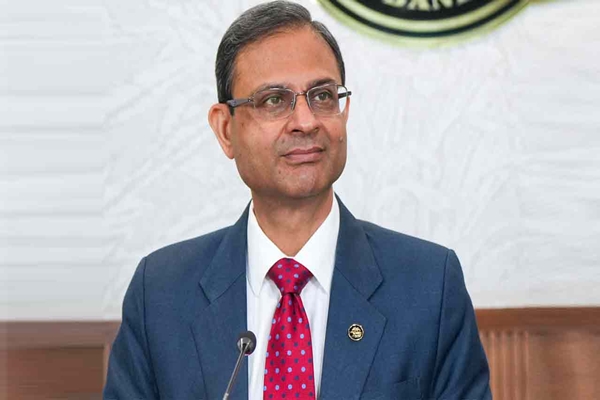
RBI Deputy Governor Swaminathan J has expressed concern that a significant number of customer grievances ultimately resolved in favour of the customer by the RBI's integrated ombudsman were never referred to the bank's internal ombudsman in the first place. According to a report in Business Today, Swaminathan highlighted this as a lapse on the part of banks, stating that "This is a matter of serious concern because it undermines the very purpose of the internal ombudsman framework." He was speaking at the Internal Ombudsman Conference organised by the Reserve Bank of India (RBI) in Mumbai last week.
The Internal Ombudsman Framework
The internal ombudsman framework is designed to handle customer complaints at the bank level before they escalate to the RBI's integrated ombudsman. Swaminathan told banks that every complaint that must be referred to the internal ombudsman should be referred promptly and without exception. He emphasised that "[c]omplaint management systems should be designed to prevent complaints from inadvertently bypassing the internal ombudsman process due to classification issues or process deficiencies." This directive underscores the RBI's expectation that banks strengthen their internal grievance redressal mechanisms.
Opportunity to Correct Errors
On the role of the internal ombudsman, Swaminathan said the framework "presents the institution with an opportunity to correct an error, address an unfair outcome and provide the customer with a meaningful resolution." He added that "if internal ombudsmen perform their role effectively, escalations outside the institution… should naturally decline." He stressed that the effectiveness of the internal ombudsman should be judged on different parameters, though he did not specify which ones.
Implications for Banks
The deputy governor's comments signal that the RBI is closely monitoring the adherence to the internal ombudsman process. Banks that fail to refer appropriate cases risk regulatory scrutiny and potential penalties. The directive requires banks to review their complaint management systems to ensure no complaints bypass the internal ombudsman due to classification errors or process gaps. For treasury and compliance professionals, this means investing in robust tracking and escalation protocols.
| Parameter | Requirement |
|---|---|
| Referral | Every eligible complaint must be referred to internal ombudsman promptly |
| System Design | Prevent inadvertent bypass due to classification or process deficiencies |
| Performance Measurement | Effectiveness judged on different parameters (unspecified) |
Conclusion
The RBI's focus on the internal ombudsman framework reflects its broader commitment to customer protection and effective grievance redressal. For banks, compliance is not optional—it is a regulatory imperative. Finance executives should ensure that their institutions' complaint-handling systems are aligned with the RBI's expectations to avoid escalation and reputational risk.
Sources: