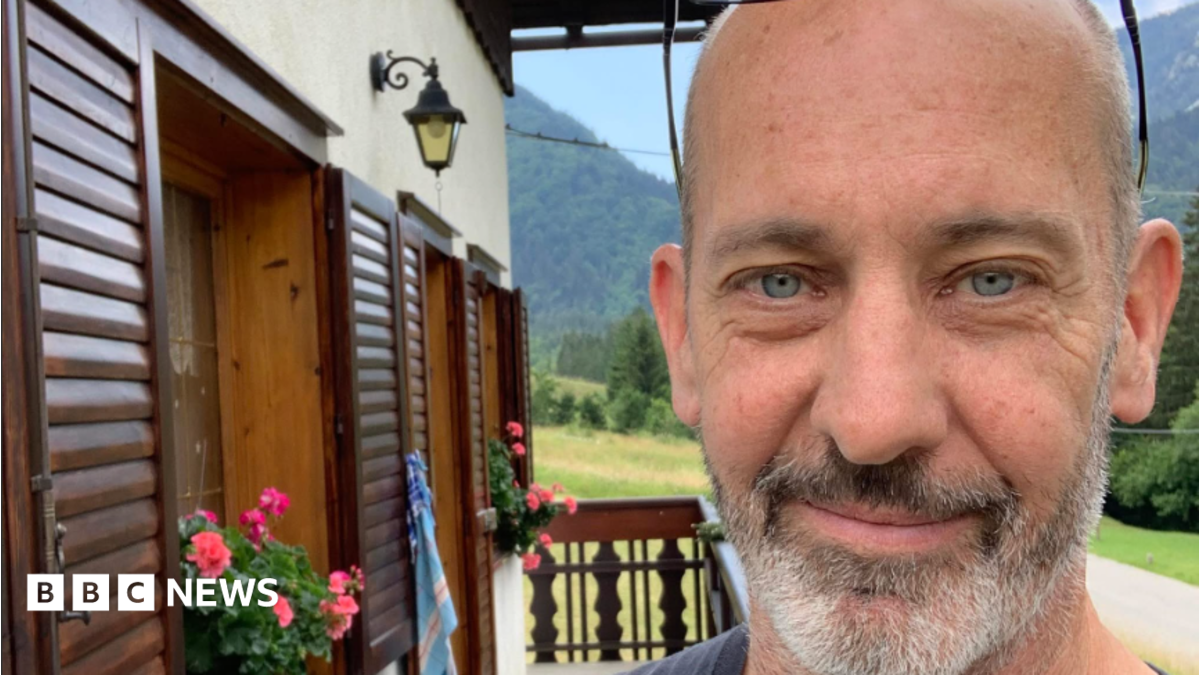
Andre Lavoie, a 63-year-old engineer who joined SpaceX in 2009, is preparing to cash in his 200,000 shares — worth about $23m (£17m) — as the rocket manufacturer begins a staged release of its stock. "Every chance I get going forward, I'll sell a little bit more," he told the BBC. Lavoie, who designed the pressure tanks that help power SpaceX rockets, said the shares have been "going up so radically" that they "keep messing up my life plans - you really can't know the future, so it's better to sell early and in intervals."
A record IPO and a new millionaire class
SpaceX listed on the Nasdaq in June in the biggest initial public offering (IPO) in history, according to the BBC, valuing the rocket and satellite firm at more than $2 trillion. The listing briefly made founder Elon Musk the world's first trillionaire, before the stock cooled and his fortune slipped back below the milestone within weeks. Musk said on Fox News that the listing had likely made "several thousand" employees millionaires, including staff "who were working on the production line," and reports estimate 4,400 new millionaires were created by the listing.
Unlike most newly listed firms, SpaceX shares are being released in stages: the first 20% on 6 August, with more due in batches through the rest of the year, the BBC reported. Whether shareholders decide to sell their stake at the first opportunity is a matter for individuals — some may choose to hold onto their shares altogether in the hope of bigger gains later.
Earnings: Revenue doubles, spending multiplies
In its first results as a public company, SpaceX reported quarterly revenue of $7.8bn (£5.8bn), nearly double the year-earlier figure, while spending ballooned to $18.3bn — more than six times the year-ago level, according to the BBC. The company posted a net loss of $143m for the three months to June and a $2bn loss for the first six months of the year.
| Metric | Value | Change vs year earlier |
|---|---|---|
| Quarterly revenue | $7.8bn (£5.8bn) | Nearly doubled |
| Spending | $18.3bn | More than six times higher |
| Net loss, Q2 | $143m | — |
| Net loss, H1 | $2bn | — |
Shares in the company tumbled on the back of the earnings report, with investors generally spooked by the huge amounts of money being spent on AI, the BBC reported. Musk pushed back against sceptics on an earnings call: "I think people are really underestimating Starlink." He predicted the satellite internet service — the one part of the company currently making a profit — could one day deliver a majority of the world's internet.
Analyst debate: valuation and AI risk
Some analysts value SpaceX at less than half its current stock market price, according to the BBC, warning that its ties to xAI carry real financial risk — part of a broader worry on Wall Street that sky-high valuations for AI-linked firms, including SpaceX, OpenAI and Anthropic, could prove overdone.
Sinead O'Sullivan, an economist who has previously worked for Nasa, told the BBC in June she thinks SpaceX is an "Elon Musk ego project." "You're buying a share of the Elon Musk brand more than any kind of space industry," she said.
Ron Epstein, aerospace analyst at Bank of America Securities, says the recent share price swings say more about the market than the company. "A lot of it has to do with macro trends," he said.
What Lavoie plans to do with the proceeds
Lavoie, who was interviewed by Musk himself before being hired, plans to use his money from selling some shares to fund a hotel he is renovating in Pontebba, in Italy's northeastern Friuli region, plus a small brewery. He says his priority for the future is raising awareness of air pollution in the area, in partnership with a local environmental group.
He wouldn't be drawn on Musk's politics — "that's his business" — but is unreserved about the company: "I've always been happily supportive and impressed, and would work hard with those incredible people again."
Sources: