iGEN
Visit IGEN World Explore IGEN Expo
EXPLORE UPGRADE PLANS
BREAKING
Tractor sales grew 28% in July on better monsoon, rural demand The food fortified frontier: Corporate India’s next major FMCG growth engine From infrastructure to energy storage: Zinc's expanding role in India's development journey India’s markets have strong domestic cushion, but global risks loom: Sebi AI's role in making complex agricultural technologies easier to discover, compare and evaluate Modal shift dampens trucking market as shippers pivot to rail Berkshire Hathaway Q2 Profit Rises 16% to $12.98B as Buybacks Accelerate US Treasury Yields Poised to Rise More as War and Oil Keep Inflation Elevated NBFC Gold Loans Surge 69.3% Year-on-Year Despite Tighter RBI Rules Is Football AI-Proof? Inside Tech Investors' $4.2bn World Cup Plan Tractor sales grew 28% in July on better monsoon, rural demand The food fortified frontier: Corporate India’s next major FMCG growth engine From infrastructure to energy storage: Zinc's expanding role in India's development journey India’s markets have strong domestic cushion, but global risks loom: Sebi AI's role in making complex agricultural technologies easier to discover, compare and evaluate Modal shift dampens trucking market as shippers pivot to rail Berkshire Hathaway Q2 Profit Rises 16% to $12.98B as Buybacks Accelerate US Treasury Yields Poised to Rise More as War and Oil Keep Inflation Elevated NBFC Gold Loans Surge 69.3% Year-on-Year Despite Tighter RBI Rules Is Football AI-Proof? Inside Tech Investors' $4.2bn World Cup Plan
Home ›› Finance ›› Corporate Finance ›› Middle-Market Cash Conversion Cycles Stretch 30 Days as Larger Buyers Slow Payments

Middle-Market Cash Conversion Cycles Stretch 30 Days as Larger Buyers Slow Payments

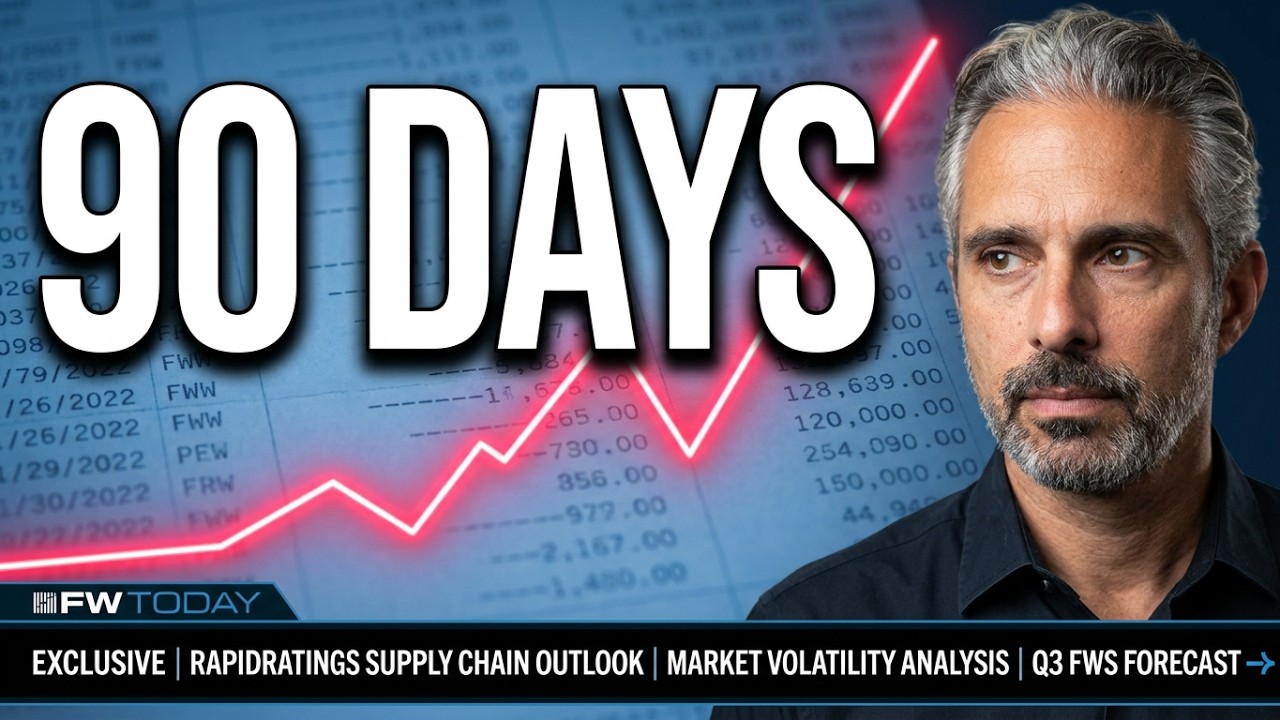
Middle-market companies with up to $750 million in revenue have seen cash conversion cycles stretch by roughly 30 days as larger buyers delay payments, according to RapidRatings Executive Chairman James Gellert. Private suppliers, which make up about 75% of most large companies' supply chains, face margin erosion and rising leverage in a post-2022 environment of rate and tariff pressure. The firm advises intensified financial health monitoring of private suppliers.

iG
iGEN Editorial
August 6, 2026
Middle-Market Cash Conversion Cycles Stretch 30 Days as Larger Buyers Slow Payments

Middle-market companies with up to $750 million in revenue have seen their cash conversion cycles stretch by roughly 30 days over the past few years, according to RapidRatings Executive Chairman James Gellert. The financial analytics firm, which rates public and private companies across 27 industries in roughly 170 countries, said the widening gap reflects a one-sided dynamic: larger buyers are slowing payments to preserve their own cash, while smaller suppliers remain obligated to pay their own vendors on accelerated timelines.

The squeeze matters acutely for carriers, brokers, and shippers because private companies make up approximately 75% of most large companies' supply chains, Gellert said. As working-capital pressure mounts on those private firms, the resilience of the broader supply chain ecosystem deteriorates with it.

One-Sided Payment Dynamics

Those middle market companies have had cash conversion cycles, depending on the industry, gap out over the last few years almost a month.

Gellert said the dynamic reflects larger customers "basically been able to extend payments, generally speaking, because they're stronger." He added: "So many companies have had to be the shock absorbers in the market keeping those or having the erosion in their operating margins."

Floating-Rate Exposure and Margin Erosion

The deterioration has been compounded by a post-2022 macro environment marked by:

  • Persistent inflation
  • Elevated interest rates
  • Higher labor costs
  • Tariff volatility

Most private companies borrow at floating rates rather than issuing long-dated bonds, leaving them directly exposed to rate moves that public peers can partially hedge, according to the RapidRatings CEO. The result has been rising leverage, shrinking interest coverage ratios, and erosion in both operating and net margins across the middle market.

Private Equity Hold Periods Lengthen

Private equity exit timelines have also lengthened under these pressures. Gellert said average hold periods, historically around 4.5 years over the past decade, have extended to six or seven years depending on sector, as multiple compression — worsened for SaaS businesses by AI-driven valuation shifts — makes exits less attractive. That elongated hold period is pushing more PE-owned companies toward M&A, restructurings, creditor negotiations for extensions or waivers, and in some cases bankruptcy, he said.

Metric Data
Middle-market revenue ceiling Up to $750 million
Cash conversion cycle stretch ~30 days over past few years
Private companies' share of large-company supply chains ~75%
Historical PE hold period ~4.5 years over past decade
Current PE hold period 6–7 years depending on sector
Industries rated by RapidRatings 27
Countries covered ~170

Monitoring Private Suppliers

For supply chain managers, the firm's advice is to intensify financial health monitoring of private suppliers and treat transparency as a commercial lever. RapidRatings reaches out to private companies on behalf of clients to obtain financials directly, and the CEO noted that many private firms now proactively seek inclusion in that network. Key recommendations include:

  • Intensify financial health monitoring of private suppliers
  • Treat transparency as a commercial lever
  • Proactively seek direct financials from private suppliers

"The stronger private companies are the ones who are going to capitalize on that the best," Gellert said, arguing that proactive financial disclosure by suppliers creates tangible commercial value with large buyers that are already conducting supply chain risk programs. The firm rates companies across all size tiers with no minimum revenue cutoff, using an algorithmic model designed to assess financial health, default risk, and future performance on a comparable basis regardless of whether a company is public or private or where it is domiciled globally.


Sources: FreightWaves

Keep Reading

Recommended Stories

Credit vs Factoring in Trucking: Why Financial Fit Matters More Than Tool Type Trade Finance

Credit vs Factoring in Trucking: Why Financial Fit Matters More Than Tool Type

According to FreightWaves, the choice between credit and factoring for trucking fleets depends on how well the financing aligns with daily operations. Credit provides liquidity for long-term investments but adds debt, while factoring converts invoices into immediate cash without debt. Skepticism around factoring often stems from poorly structured programs, not the concept itself.

July 17, 2026
Payment Delays Strain MSME Working Capital, Report Highlights Structural Gap Trade Finance

Payment Delays Strain MSME Working Capital, Report Highlights Structural Gap

The Indian SME Receivables Report 2026 by Recordent reveals that delayed payments are severely straining MSME working capital, with average overdue receivables beyond 360 days at Rs 3.8 crore per firm and a national invoice payment cycle of 73 days, far exceeding regulatory guidelines of 45 days. The report, based on data from 1.1 lakh MSMEs and over 1 million transactions, identifies late payments as a key constraint on liquidity, growth, and financial stability.

June 29, 2026
Raleigh Parent Accell Starts Insolvency Proceedings, CEO Says All Options Exhausted Finance

Raleigh Parent Accell Starts Insolvency Proceedings, CEO Says All Options Exhausted

Accell, the Netherlands-based owner of Raleigh, has initiated insolvency proceedings after saying it exhausted all options and could not meet its financial obligations. The company reported £30m losses and 2024 redundancies. CEO Jonas Nilsson called the situation deeply sad and frustrating.

August 6, 2026
SpaceX Engineer Sells $23m Stake: 'Every Chance I Get, I'll Sell a Little More' Finance

SpaceX Engineer Sells $23m Stake: 'Every Chance I Get, I'll Sell a Little More'

Andre Lavoie, a SpaceX engineer since 2009, plans to sell his 200,000 shares worth about $23m as the firm's stock is released in stages from 6 August. The record Nasdaq IPO valued SpaceX at more than $2 trillion, but heavy AI spending and a net loss have spooked investors. Analysts are split on the valuation, with some warning AI-linked firms are overdone.

August 6, 2026