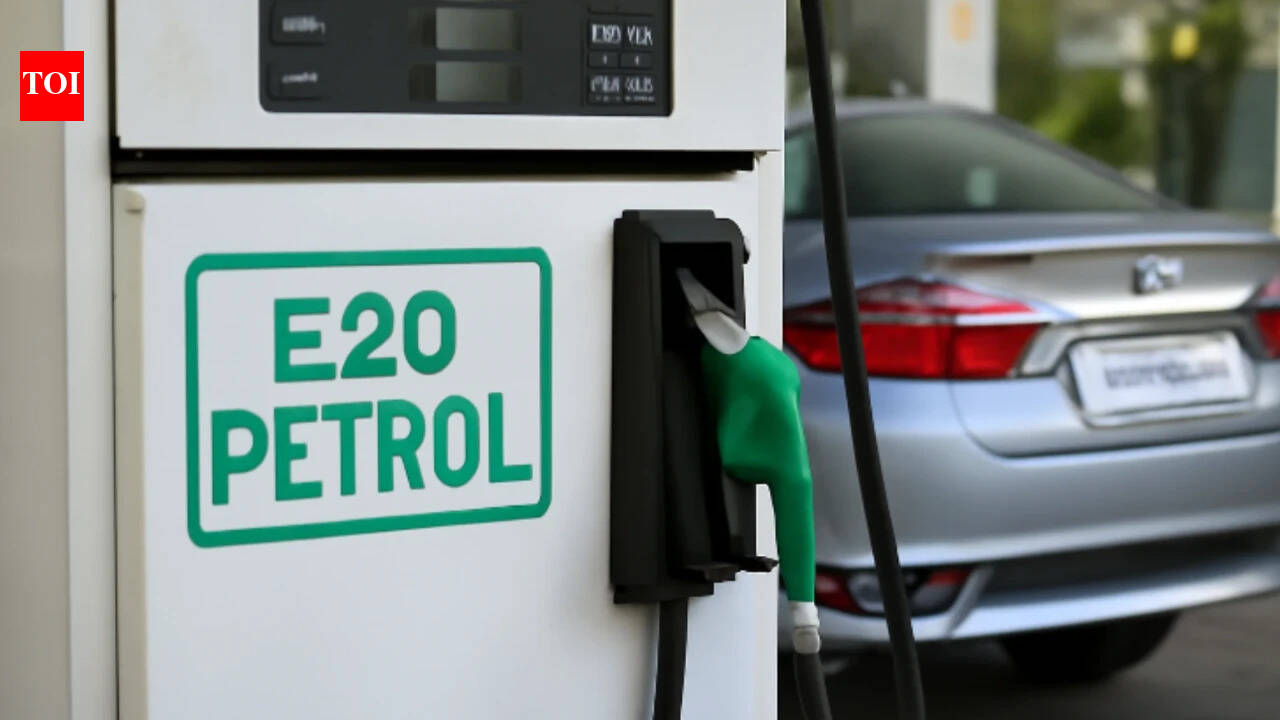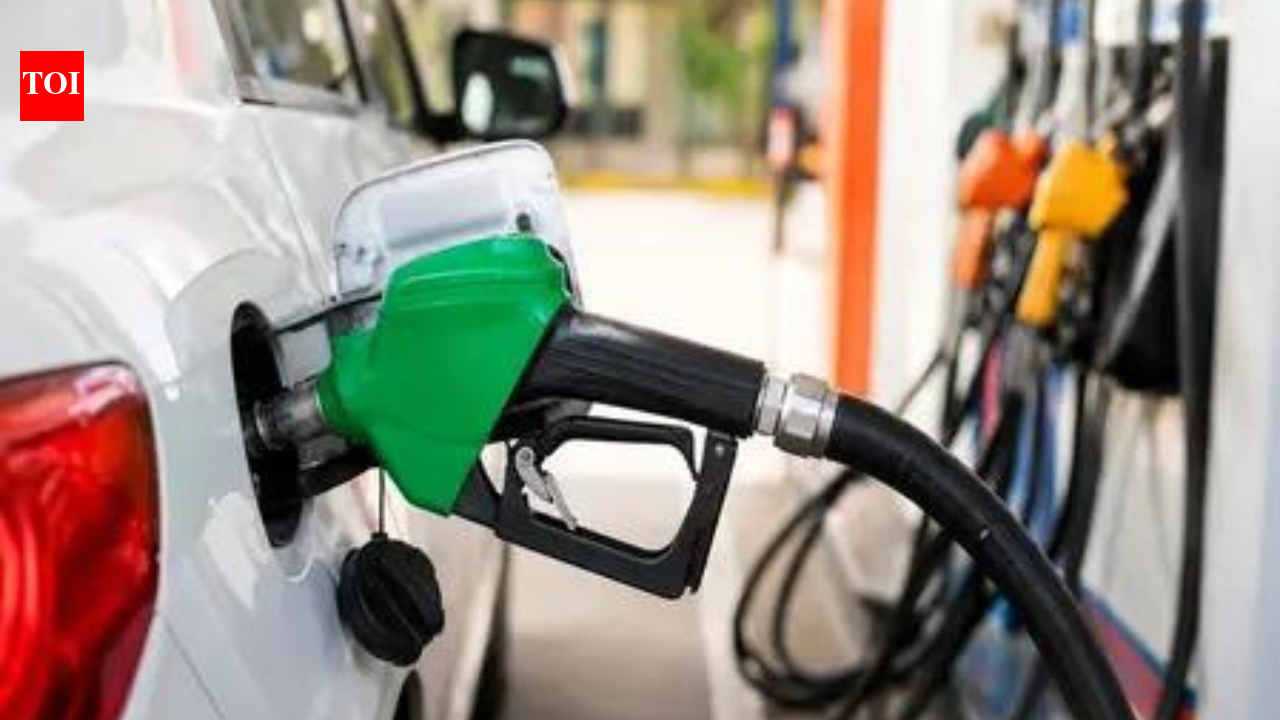
Using E20 (20% ethanol-blended) petrol cannot be a reason for an insurance claim to be rejected, according to the Ministry of Petroleum and Natural Gas. The clarification follows a post by the Bharatiya Janata Party (BJP) on X urging consumers to "use E20 without any worries," calling claims of insurance rejection "completely false."
Government's Clarification on E20 and Insurance Claims
The Ministry of Petroleum and Natural Gas issued a detailed press release addressing several misconceptions surrounding ethanol-blended petrol, including concerns about vehicle insurance, engine failures, and fuel quality. According to the ministry, concerns that E20 fuel could invalidate vehicle insurance policies had been examined and found to be incorrect. The government also dismissed claims that ethanol-blended petrol causes widespread engine damage or attracts insects, stating such assertions have no scientific basis.
"Using E20 petrol cannot be a reason for an insurance claim to be rejected." — Ministry of Petroleum and Natural Gas
Scientific Validation and Industry Consultation
The ministry emphasized that the Ethanol Blending Programme is scientifically validated and implemented in consultation with oil marketing companies, automobile manufacturers, and fuel-testing agencies. Since the rollout of E20 petrol in 2023, there have been no widespread reports of engine failures or vehicle breakdowns attributable to ethanol blending, according to the ministry. Ethanol used for fuel blending is manufactured through established industrial processes and meets stringent quality specifications before being blended with petrol.
Implications for Businesses and Fleet Operators
For CFOs, treasury directors, and finance executives in the automotive, fuel, and logistics sectors, this clarification removes a key uncertainty regarding fleet insurance and operational risk. Insurance claim rejection is no longer a potential liability when using E20 petrol, which is increasingly mandated under India's ethanol blending roadmap. The government's statement assures that fuel quality standards are maintained and that ethanol blending does not introduce new insurable risks.
| Concern | Government Response |
|---|---|
| Insurance claim rejection for using E20 | Cannot be rejected solely on basis of using E20; concerns examined and found incorrect |
| Widespread engine damage | No scientific basis; no widespread reports since 2023 rollout |
| Fuel quality | Ethanol meets stringent quality specifications before blending |
| Attracting insects | Assertion has no scientific basis |
The clarification supports the broader adoption of E20 petrol, reducing compliance uncertainty for businesses managing vehicle fleets or fuel procurement. With the Ethanol Blending Programme backed by scientific validation and industry consultation, companies can proceed with fuel transitions without fear of insurance coverage gaps.
Sources: