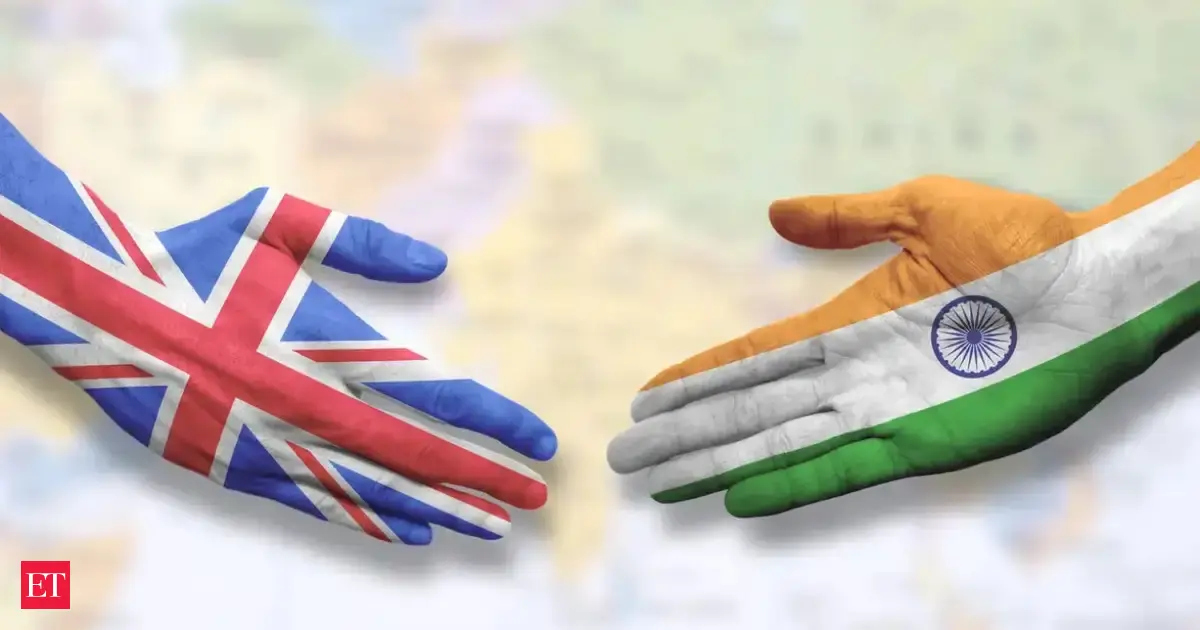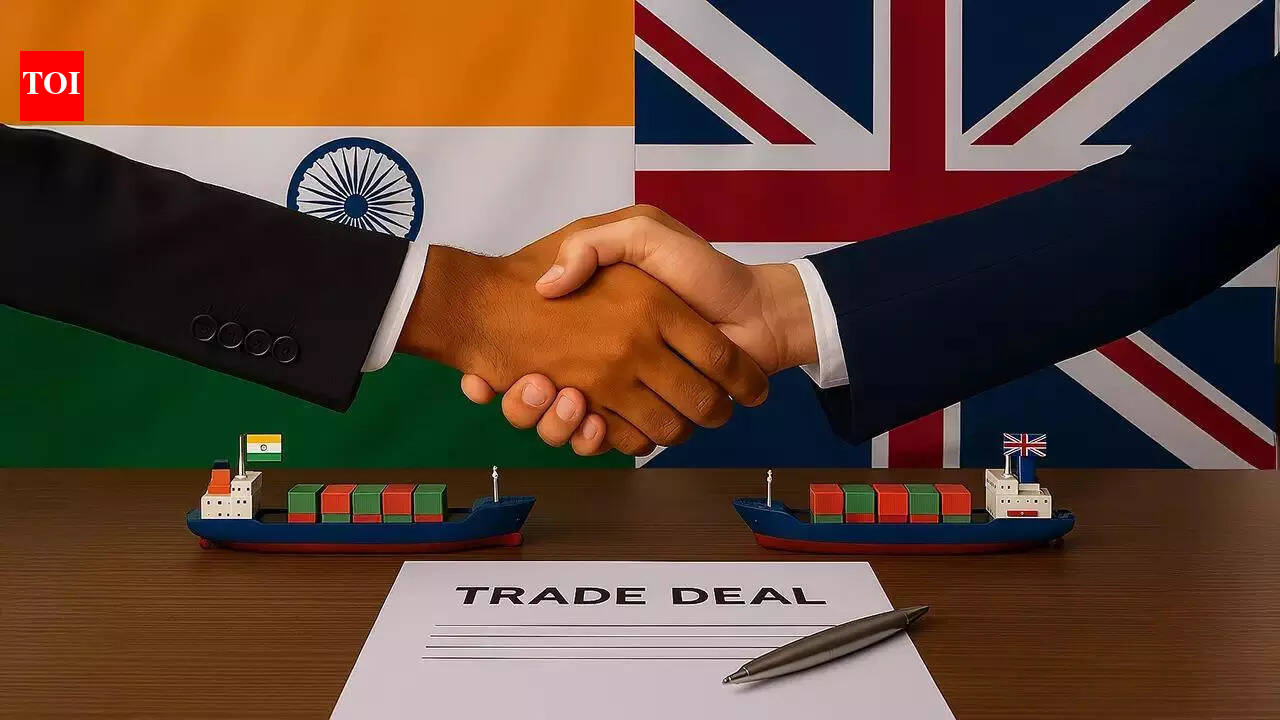
India and the United Kingdom are making concerted efforts to finalize a bilateral trade agreement, with a focus on resolving contentious issues surrounding steel quotas and duties. Piyush Goyal, India's Commerce and Industry Minister, and Peter Kyle, UK Secretary of State for Business and Trade, have engaged in discussions to address these challenges.
Key Issues in Negotiations
The primary sticking point in the negotiations is the UK's safeguard measures on steel, which India wants resolved before the trade deal can be implemented. These measures are seen as barriers to lowering tariffs and easing business access.
- Steel Quotas: India's concerns over the UK's proposed steel quotas and duties.
- Carbon Border Adjustment Mechanism: India is also seeking clarity on the carbon border adjustment mechanism set to be introduced next year.
Progress and Commitments
Rajesh Agrawal, India's Commerce Secretary, emphasized the commitment to regular engagement with UK counterparts to ensure effective implementation of the trade agreement. Discussions have been extensive, with both sides exploring new pathways under the India-UK Comprehensive Economic and Trade Agreement (CETA).
"Had great conversations on charting the next phase of India-UK economic engagement, advancing shared business priorities, and further strengthening our robust and forward-looking partnership," said Piyush Goyal.
Economic Impact
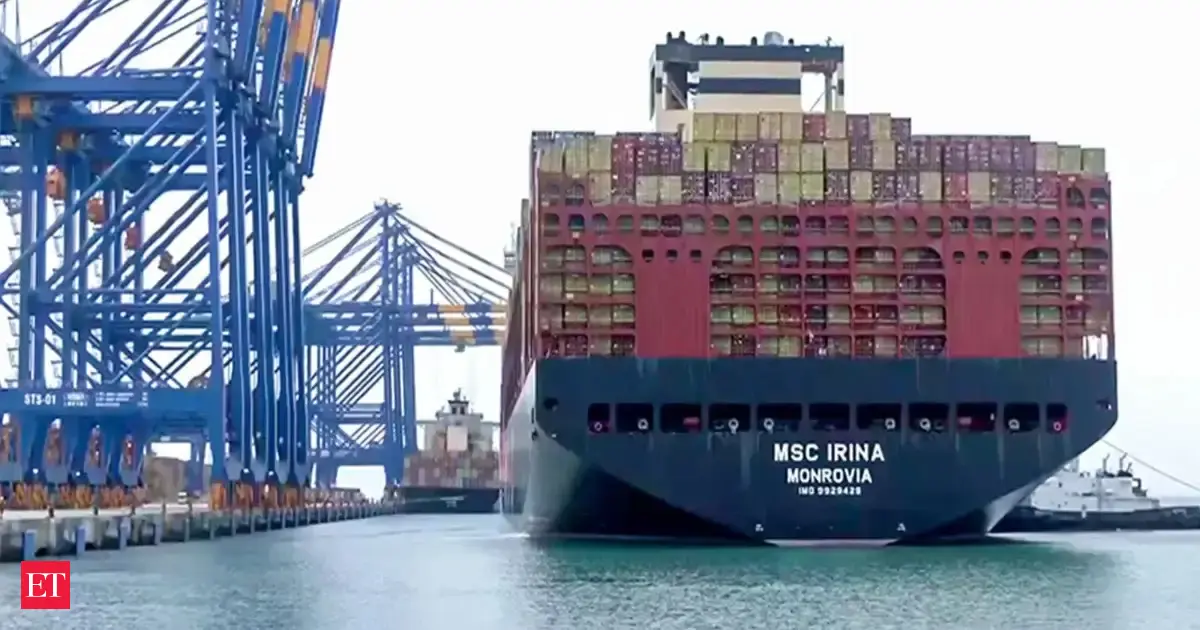
The trade agreement is expected to significantly impact bilateral trade volumes between India and the UK. By lowering tariffs and easing access, both countries aim to enhance economic cooperation and boost trade.
| Aspect | India-UK Trade Deal Impact |
|---|---|
| Tariffs | Lowered |
| Business Access | Eased |
| Steel Quotas | Under Negotiation |
| Carbon Border Adjustment | Implementation Next Year |
Future Outlook
The successful resolution of these issues will pave the way for the implementation of the trade deal, which is anticipated to strengthen economic ties and foster greater collaboration between the two nations. Both countries remain committed to overcoming the current hurdles to achieve a mutually beneficial agreement.