
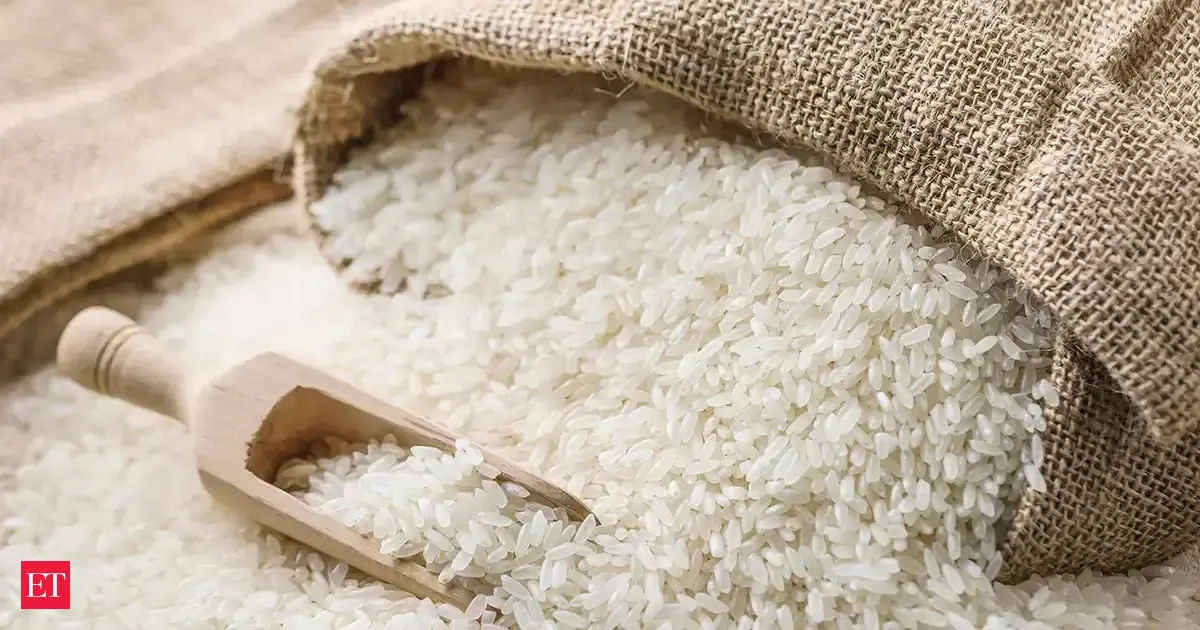
Basmati rice and tea exports from India to West Asia have come to a grinding halt as the Strait of Hormuz remains closed, according to the Economic Times. Three vessels loaded with a total of 100,000 tonnes of basmati rice at Kandla Port have been waiting for the past week for the route to reopen, exporters said. Tea exporters report being flooded with orders for premium second flush orthodox teas from Gulf Cooperation Council (GCC) countries but are unable to ship them.
Impact on Rice Exports
Dev Garg, vice-president of the Indian Rice Exporters Federation, stated that there is widespread confusion among exporters awaiting a peace deal between the US and Iran. Exporters and shipping lines have become extremely cautious after the attack on the Indian-flagged cargo vessel MT Marivex near the Strait of Hormuz off the coast of Oman. "This has created a lot of tension among the trade. Profitability of the exporters is coming under pressure due to the uncertainty in shipments," Garg said. Basmati rice exports from India are among the most affected by the conflict, which has shut the strait through which a significant portion of global oil and cargo trade transits.
Tea Exports Halted
Mohit Agarwal, director of Asian Tea & Exports, an exporter to West Asia, noted that "there is no movement of tea. Some small consignments are going through the Turkey route." West Asia accounts for 46% of India's total tea exports. In 2025, the region imported 129.19 million kg of tea. The tea-drinking population in West Asia prefers Indian second flush premium orthodox teas, making them major foreign exchange earners for India. Every year, buyers from the region start placing orders from the end of May, and tea shipments from India begin in June. Agarwal added that merchant exporters are buying orthodox teas for Middle Eastern countries in anticipation of a US-Iran deal, but no shipments are moving now.
Trade Data Summary
| Commodity | Volume Affected | Key Market Share | Action Taken |
|---|---|---|---|
| Basmati Rice | 100,000 tonnes stranded at Kandla Port | High dependence on West Asia | Vessels idle; exporters awaiting route reopening |
| Tea (second flush orthodox) | 129.19 million kg (2025 total to West Asia) | 46% of India's tea exports | Orders placed but no shipments; small consignments via Turkey |
Supply Chain Disruption
The closure of the Strait of Hormuz has created a bottleneck for Indian agricultural exports to West Asia. With the peak shipping season for tea just beginning, the inability to deliver is putting pressure on exporter profitability. The attack on the MT Marivex has heightened security concerns, leading to cautious behaviour from shipping lines and traders. Until a resolution is reached between the US and Iran, the trade disruption is expected to continue, affecting both rice and tea exporters who rely on the region for a substantial portion of their revenue.
Sources:


