Exporters in India are flagging serious concerns over the impact of the prolonged West Asia crisis on trade, citing uncertainty of orders, rising logistics costs, and potential disruption of raw material supply chains, according to a meeting between Commerce and Industry Minister Piyush Goyal and export promotion bodies.
Key Concerns Raised by Exporters
The meeting, held on Wednesday, brought to light multiple challenges faced by exporters amid the ongoing geopolitical tensions. According to an industry representative present, exporters reported:
- Uncertainty of orders and delays in execution due to unpredictable shipping schedules.
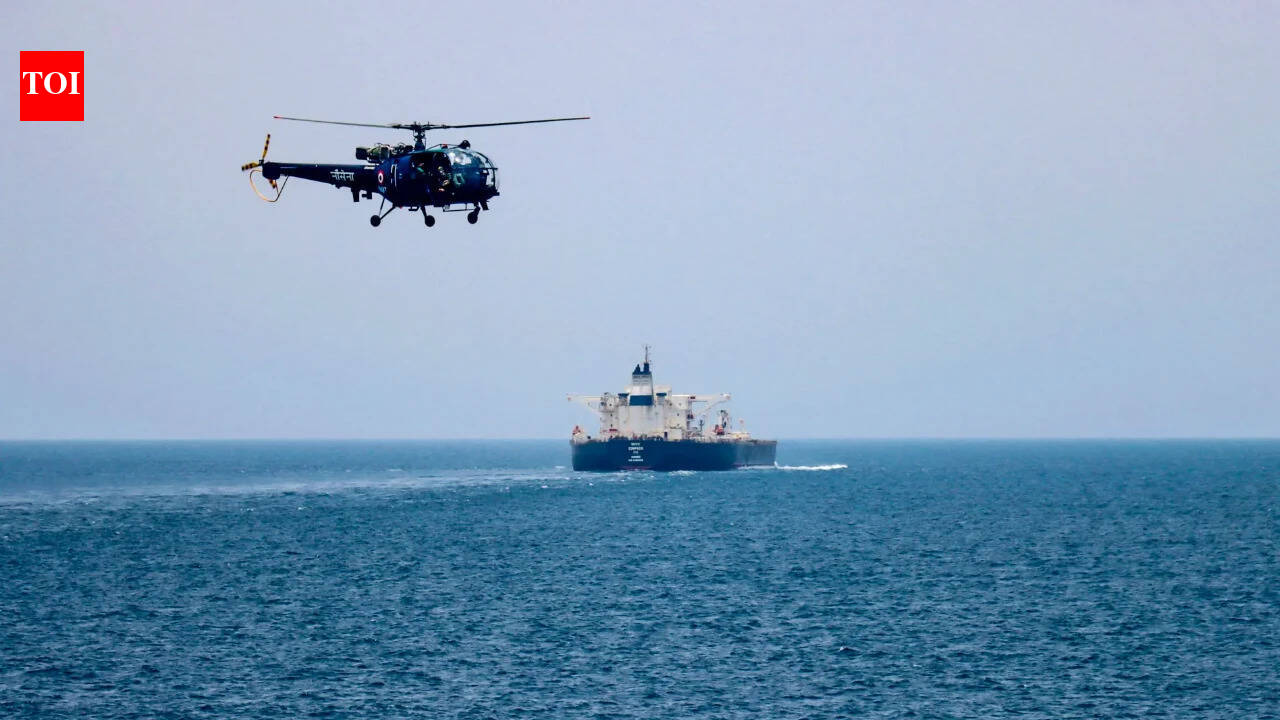
- Higher logistics costs as the Bab el-Mandeb shipping channel has been affected.
- Liquidity issues stemming from extended payment cycles.
- Possible disruption of raw material supply chains if the crisis persists.
Buyers are adopting a cautious approach, with some seeking extensions in delivery timelines and others delaying fresh purchase decisions. Fuel prices, which had dipped last month, have gone up again, adding to cost pressures.
Government Response and Ministerial Remarks
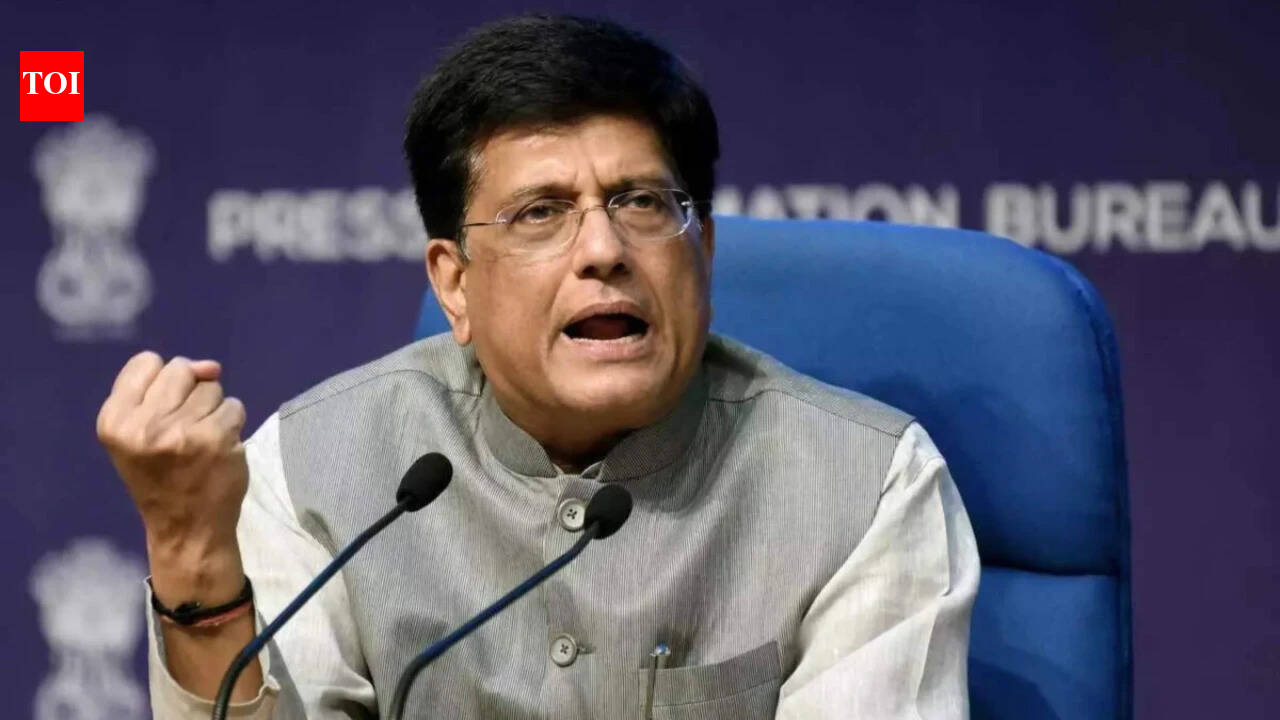
Minister Piyush Goyal received feedback on the situation during the meeting and is learnt to have backed further support for service exporters, especially in hospitality and medical tourism, according to a person familiar with the deliberations.
Later, at the JRD Tata Memorial lecture organised by industry body Assocham, Goyal addressed the broader trade environment. He stated that "the India story has remained resilient despite the global uncertainties." Citing specific data, he said:
"In the first quarter of FY27, war continues. Petrol, crude, gas, diesel, all have all faced uncertainty. Hormuz has been opening and closing through this period. Now we have the Red Sea crisis; it is only expanding. Despite that, as I speak to you today, our merchandise exports have grown by 15% so far in the current fiscal."
Goyal also acknowledged a sustained trust deficit between business and government, despite several reforms, and asserted that the Centre is working to "truly address" the issue through efforts to make it easier to do business and reduce the compliance burden.
Trade Performance Amid Geopolitical Turmoil
| Indicator | Detail |
|---|---|
| Crisis impact | West Asia war affecting Bab el-Mandeb and Hormuz shipping channels |
| Key commodities facing uncertainty | Petrol, crude, gas, diesel |
| Merchandise export growth (FY27 so far) | 15% |
| Main concerns | Order uncertainty, logistics costs, liquidity, raw material supply |
Measures Demanded by Trade Bodies
Trade bodies, such as FIEO, are demanding a fresh set of measures to help businesses deal with the crisis. While specific proposals were not detailed, the call for additional support signals the severity of the situation for exporters navigating multiple geopolitical flashpoints — from the Red Sea to the Hormuz Strait.
For import/export professionals and trade policy analysts, the key takeaway is that while India's export growth remains robust at 15% in the first quarter of FY27, the underlying risks from the West Asia conflict could intensify if the crisis expands further. Exporters should monitor shipping schedules, raw material availability, and buyer sentiment closely, as contingency planning becomes essential in this volatile environment.
Sources: