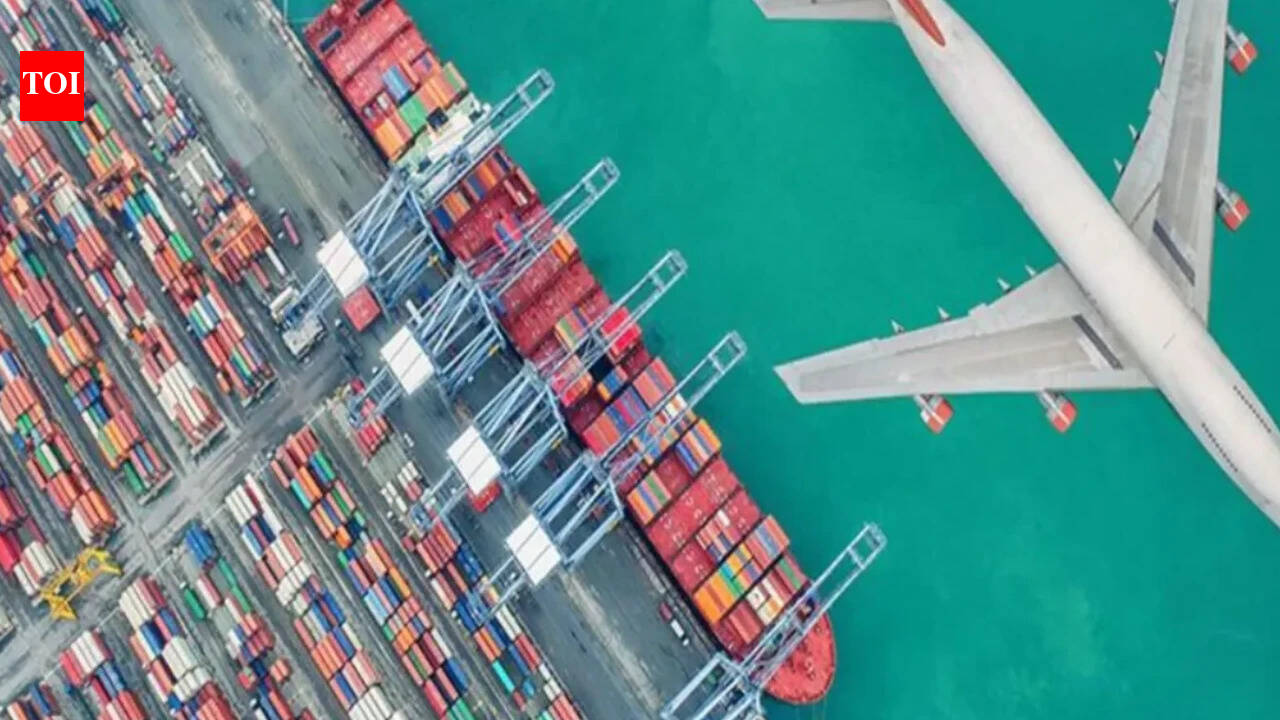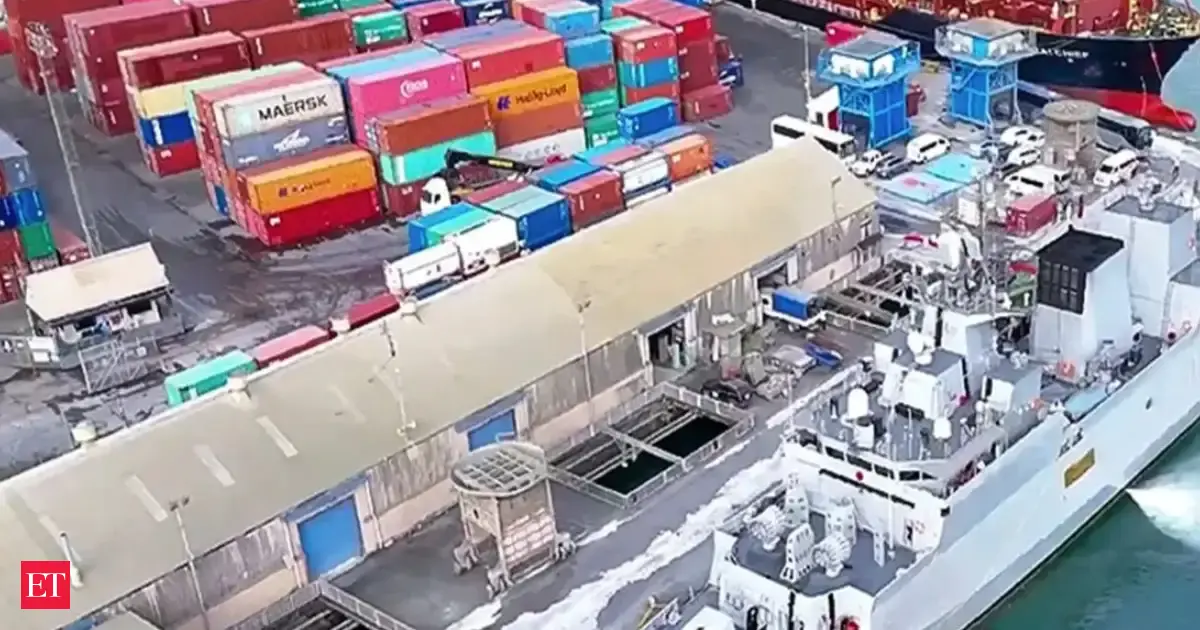
Indian exporters see the country’s free trade agreements as a gateway for micro, small and medium enterprises to reach larger global markets, according to The Economic Times. With preferential market access now available across several major economies, exporters said the real opportunity lies in converting these agreements into export orders.
FTAs open preferential access for MSMEs
Exporters quoted by The Economic Times underlined that preferential market access under India’s trade agreements covers several major economies. The challenge for small enterprises, they said, is to turn the negotiated access into actual export orders. The comments came amid growing attention on how FTAs can benefit MSMEs, which often lack the resources to navigate global markets individually.
With preferential market access now available across several major economies, the real opportunity lies in converting these agreements into export orders.
PM Modi urges small enterprises to act
Prime Minister Modi, addressing the country on the occasion of the 80th Independence Day, said India has finalised FTAs with about 40 countries since 2014. He described this as a tremendous opportunity for the country’s MSMEs and urged small enterprises to tap these opportunities rather than letting them slip away.
According to The Economic Times, the Prime Minister also called for expanding the global reach of Indian products, ensuring that goods such as textiles, machinery and medicines find their way into international markets. The remarks signal a policy push to deepen India’s integration with global supply chains through negotiated trade deals.
Industry voice: Aqeel Panaruna welcomes trade pacts
Aqeel Panaruna, former chairman of the Council for Leather Exports, welcomed the government’s move on FTAs. He said that with progressive trade pacts and foreign trade policy opening new opportunities, India is firmly positioned for sustained growth and prosperity.
His comments reflect the leather sector’s interest in greater market access under India’s expanding network of trade agreements. The council’s former chief tied the new opportunities to the broader foreign trade policy framework now in place.
Key facts at a glance
| Fact | Detail |
|---|---|
| FTAs finalised since 2014 | About 40 countries (per PM Modi) |
| Speech occasion | 80th Independence Day |
| Products highlighted for exports | Textiles, machinery, medicines |
| Exporter focus | Converting preferential access into export orders |
| Industry respondent | Aqeel Panaruna, former chairman, Council for Leather Exports |
What exporters should watch
For importers, exporters and trade policy professionals, the key signals from this story include:
- India’s FTA network has expanded to about 40 countries since 2014, according to the Prime Minister.
- Textiles, machinery and medicines were explicitly named as product categories that should reach international markets.
- The foreign trade policy and progressive trade pacts are seen by industry as opening new opportunities.
- The emphasis on conversion of agreements into export orders points to implementation as the next stage.
The article from The Economic Times provides no additional statistical data on trade flows or tariff changes. However, for MSMEs operating in the named sectors, the stated policy direction is toward wider preferential access, and the government’s message is that small enterprises should actively use the agreements.
Sources: