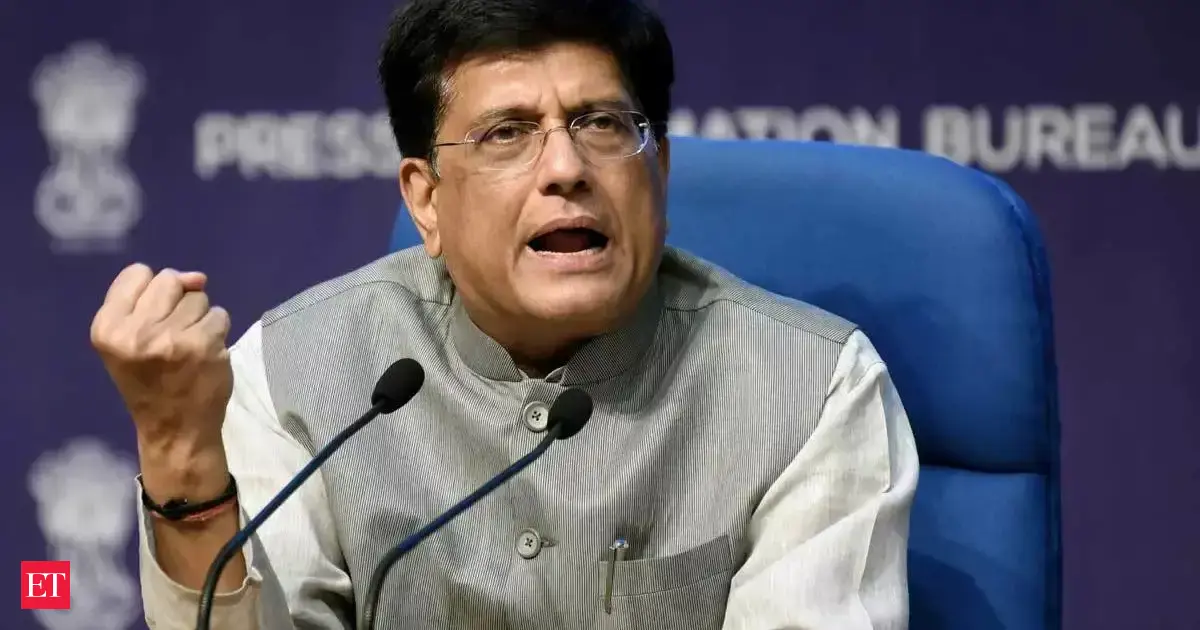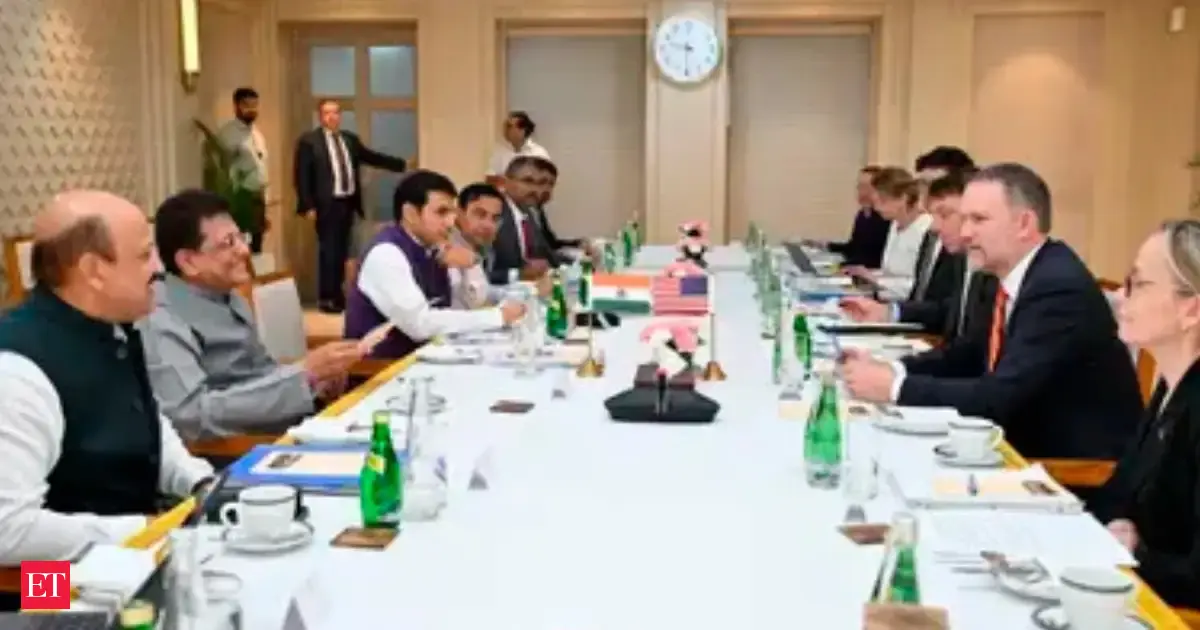
India and the United States have moved closer to finalising an interim bilateral trade agreement, following two days of ministerial-level talks between Commerce and Industry Minister Piyush Goyal and U.S. Trade Representative Ambassador Jamieson Greer in New Delhi. Both sides reported “substantial progress” by negotiating teams and discussed pathways to conclude an interim pact as a milestone toward a comprehensive Bilateral Trade Agreement (BTA), according to a statement by India’s Ministry of Commerce.
The talks, which the Ministry described as a “key step” toward a deal, covered market access, digital trade, supply-chain resilience, reduction of non-tariff barriers, and expanded cooperation in strategic sectors. The Economic Times reported that Goyal and Greer concluded two days of negotiations aimed at finalising the first phase of the BTA. The two sides have held six rounds of talks so far, including chief negotiator-level discussions in New Delhi from June 2 to 4, according to the same source.
Talks Focus on Market Access, Digital Trade, Non-Tariff Barriers
The discussions, which spanned a three-day visit by Greer to New Delhi, included a comprehensive review of key elements of the proposed agreement. According to a Ministry of Commerce statement cited by Business Today, those elements were market access, digital trade, supply-chain resilience, reduction of non-tariff barriers, and expanded cooperation in strategic sectors.
“Both sides noted substantial progress by negotiating teams in recent months and welcomed the momentum from successive technical and ministerial-level engagements,” the Ministry said. The statement further noted that discussions focused on “pathways to conclude an interim agreement as an important milestone toward a comprehensive bilateral trade agreement.”
Goyal and Greer reaffirmed their commitment to a trade pact that is “balanced, commercially meaningful, and delivers tangible benefits for businesses, farmers, workers, and consumers in both countries,” the Ministry added.
Path to an Interim Agreement
Business Today reported that the initial tranche of the trade deal is “largely focused on Indian opening up its market for American goods once the US provides clarity on how the new tariff structure will work.” The official statement did not mention any timeframe for concluding the interim deal.
Before the ministerial-level talks, Indian officials had indicated that the meeting would seek to give “finishing touches” to the framework deal, according to Business Today. That framework deal had faced a setback after the U.S. Supreme Court termed “reciprocal tariffs” illegal, which suspended its implementation. Under the framework agreement, the reciprocal tariff on India was pegged at 18% over and above the MFN duty on products, per the same source.
Reciprocal Tariff and Supreme Court Ruling
The U.S. Supreme Court’s ruling on reciprocal tariffs has been a critical factor in the negotiations. Business Today reported that the implementation of the framework agreement was suspended after the court declared reciprocal tariffs illegal. As part of that framework, the reciprocal tariff on India stood at 18% on top of Most Favoured Nation (MFN) duties on products subjected to the levy.
The Economic Times did not mention the Supreme Court ruling, but confirmed that Goyal and Greer deliberated on elements such as market access, digital trade, and non-tariff barriers. It also quoted Greer from a prerecorded video message: “India has a long history of agriculture, of manufacturing, but we also know that