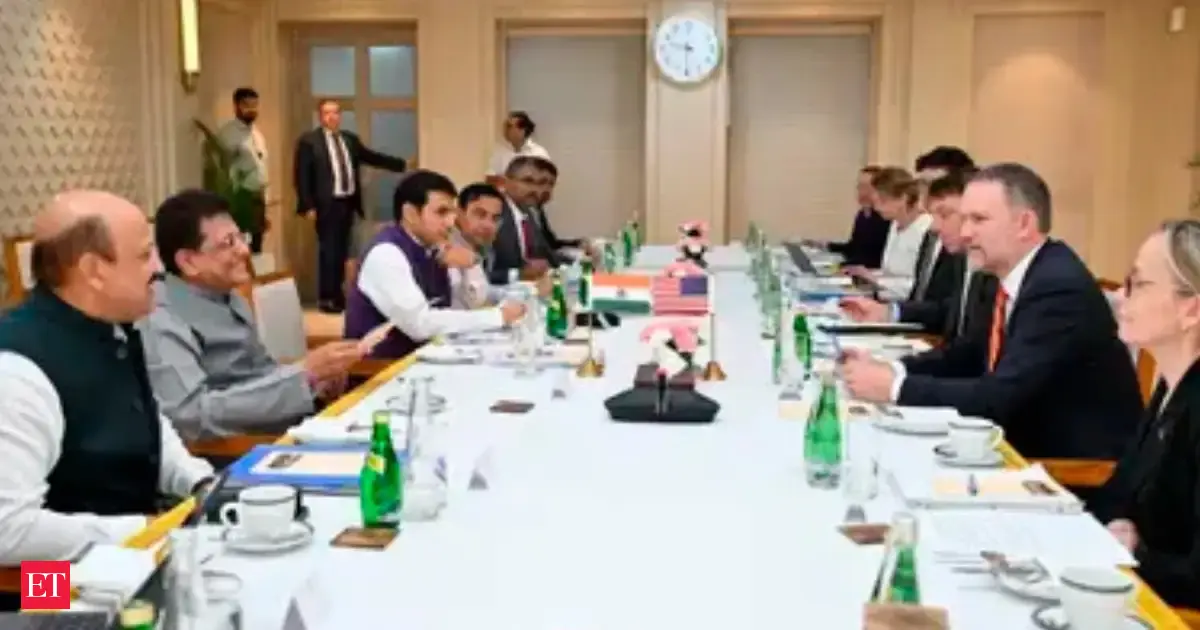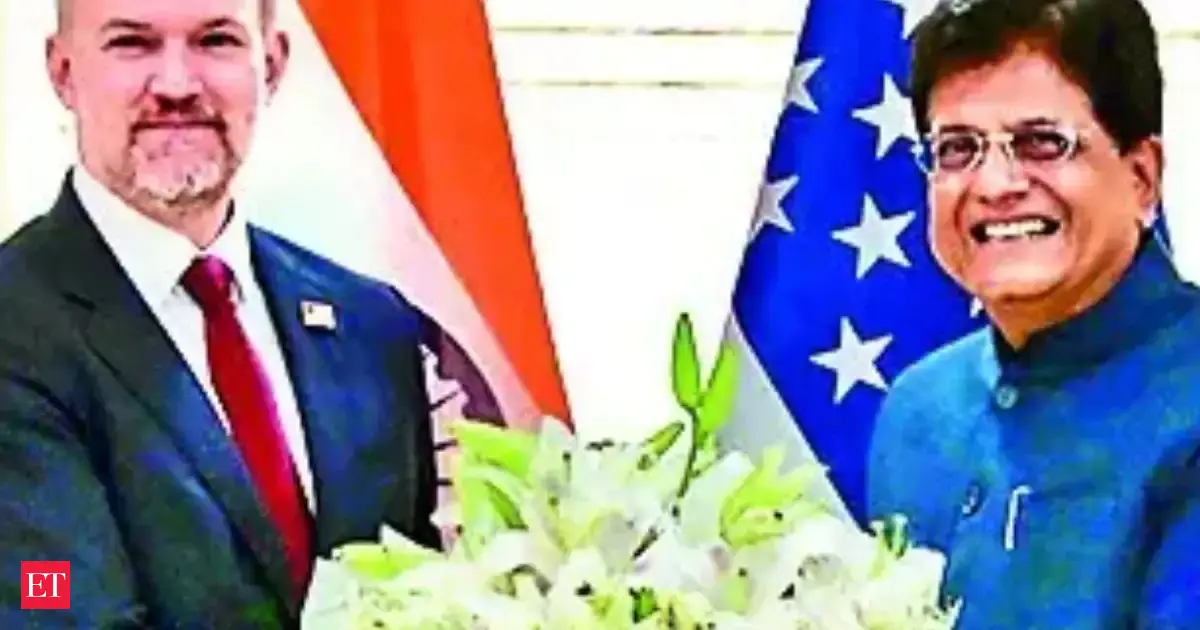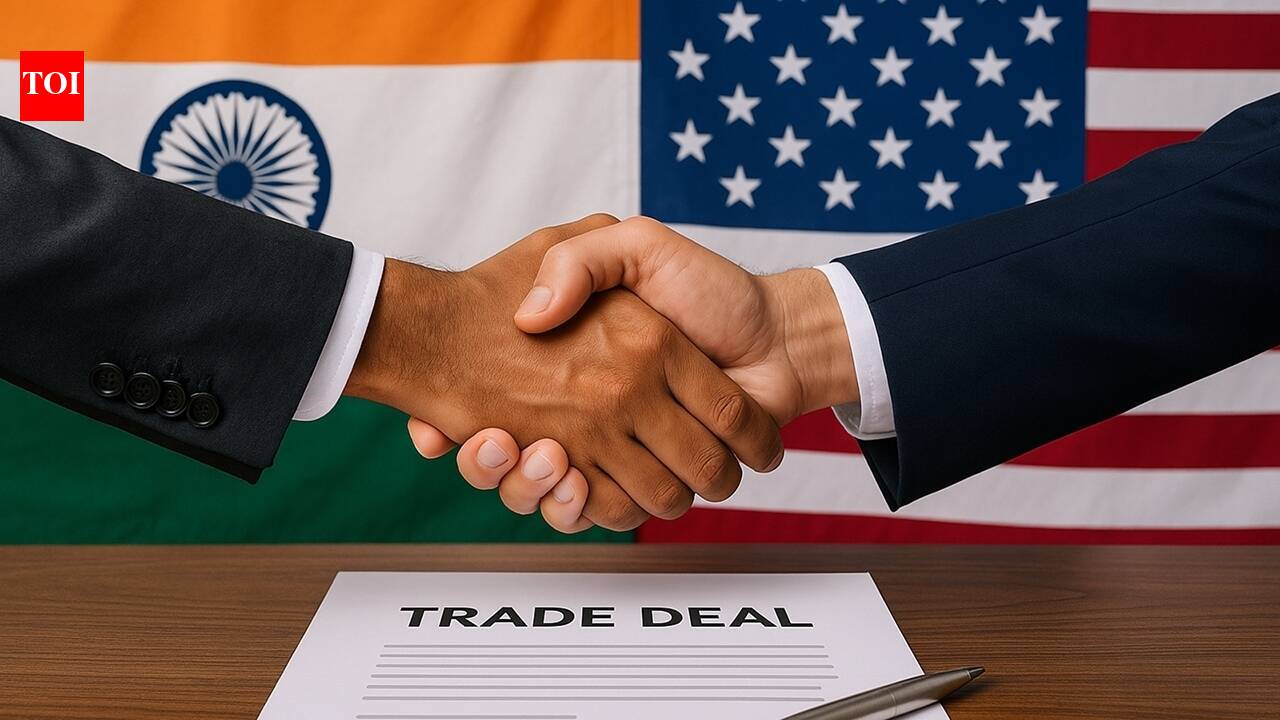
The trade talks between US Trade Representative Jamieson Greer and India's Commerce Minister Piyush Goyal concluded in New Delhi on June 24 without the breakthrough many had anticipated, according to a report by Business Today. The inconclusive meeting has sparked speculation that the two economies are struggling to bridge differences on tariffs, market access, agriculture, and digital trade.
Yet the same report cautions against drawing pessimistic conclusions, noting that "major agreements rarely emerge from a single round of negotiations." Over three decades, India and the US have faced sharp disagreements on intellectual property, food security, agricultural subsidies, steel tariffs, digital commerce, and market access — and repeatedly found common ground.
Pharmaceutical Patents and the TRIPS Agreement
During the negotiations that created the World Trade Organization (WTO) , the United States pushed for strong intellectual property protections through the Agreement on Trade-Related Aspects of Intellectual Property Rights (TRIPS). India feared that stronger patents would make life-saving medicines less affordable and undermine its role as a low-cost pharmaceutical supplier to the developing world.
Through subsequent talks and the Doha Declaration on Public Health, both sides reached a framework that strengthened IP protection while preserving public-health safeguards. What once seemed irreconcilable became manageable.
Bali Ministerial 2013: Trade Facilitation vs. Food Security
At the WTO Bali Ministerial Conference in 2013, the US backed the Trade Facilitation Agreement to reduce global trade costs by streamlining customs. India insisted on prioritizing concerns that existing WTO rules could constrain its food-security programs and public stockholding.
Months of tense negotiations led to a compromise: both the Trade Facilitation Agreement and a Peace Clause on food security were adopted. The report notes this as an example where "when strategic interests are sufficiently important, solutions based on a 'give and take' basis do emerge."
Trump-Era Tariff Conflicts
The report briefly references disputes during the Trump administration, though specific details are not elaborated. Earlier sections mention steel tariffs as a recurring issue.
"An inconclusive meeting is not necessarily a failed negotiation."
A Pattern of Persistent Engagement
According to the report, written by Shishir Priyadarshi (President, Chintan Research Foundation and former WTO Director), the habit of continuous dialogue — even when agreement seems distant — is an underappreciated strength of the India-US partnership.
| Dispute | Key Issue | Outcome |
|---|---|---|
| TRIPS Pharmaceuticals | IP vs. affordable medicines | Doha Declaration preserved public health flexibilities |
| Bali 2013 – TFA vs. Food Security | Trade facilitation vs. food stockholding | Peace Clause + TFA adopted together |
| Trump Tariffs | Steel and other tariffs | (Not specified but resolved via negotiation) |
For import/export professionals and trade policy analysts, the lesson is clear: India-US trade deals rarely emerge from one meeting. As long as both sides keep talking, breakthroughs remain possible — even after a seemingly inconclusive round.
Sources: