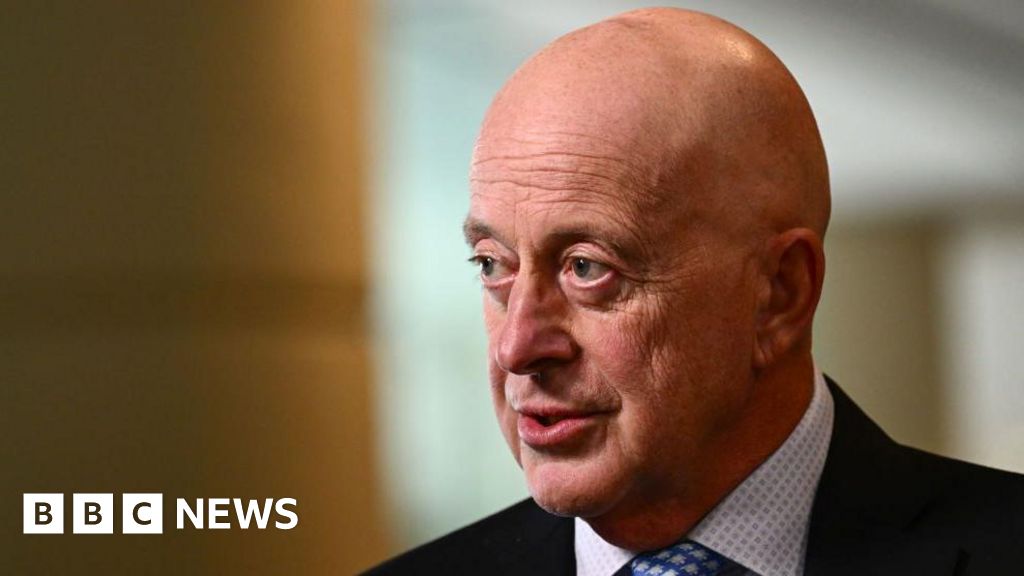
Mondelez International, the US-based confectionery conglomerate behind Cadbury, Toblerone, and Philadelphia cream cheese, is defending its continued operations in Russia more than four years after the full-scale invasion of Ukraine. Chief executive Dirk Van de Put acknowledged that the company's tax payments in Russia are funding the war but insisted that staying was "the right decision," according to an interview with the BBC's Big Boss Interview series.
The Rationale for Staying
Van de Put told the BBC that withdrawing from Russia would have led to the confiscation of Mondelez's plant by the Kremlin, creating a larger source of income for the Russian state to fund its war effort. "They would have confiscated our plant. It would have probably given them a much bigger source of income, keep on selling our products to fund the war," he said. He argued that staying protected the jobs of thousands of employees and kept the business out of direct state control. Mondelez has discontinued new investment in its Russian business and suspended advertising spending, but continues to generate revenue.
Since Russia's full-scale invasion of Ukraine in February 2022, the country has contributed between $1 billion and $1.4 billion in annual sales to Mondelez, the BBC reported. Van de Put acknowledged the moral discomfort: "We pay taxes in Russia that helps the war. I'm not pleased about that." He described the company's stance as an attempt to remain "neutral in the whole conflict."
| Metric | Detail |
|---|---|
| Annual Russian sales since 2022 invasion | $1 billion – $1.4 billion |
| New investment in Russia since invasion | Discontinued |
| Advertising spending in Russia | Suspended |
UK Parliamentary Pressure
The company's position has drawn sharp criticism from British lawmakers. In 2025, more than 70 MPs signed a letter from the All Party Parliamentary Group on Ukraine to Van de Put, demanding Mondelez sever its ties with Russia. Alex Sobel, chair of the parliamentary group, wrote: "Continuing to operate in a nation responsible for the deaths of countless Ukrainian civilians and the abduction of thousands of children cannot be justified under any definition of 'business as usual'." The letter reflects growing political scrutiny of multinationals that maintain a presence in Russia while the war continues.
Operations in Ukraine
Mondelez also continues to operate in Ukraine, where it runs two manufacturing plants — one in Trostyanets, near the Russian border, and one in Vyshhorod, close to the capital Kyiv. Van de Put revealed that one of these facilities has been hit twice by attacks and rebuilt twice, at a cost of tens of millions of dollars each time. "We've agreed that we will rebuild every single time there so we keep on investing in the country," he said. The company doubled salaries for all Ukrainian employees at the start of the conflict and has not fired anyone. On the morning of the BBC interview, Van de Put said an office building in Ukraine had been hit, though all staff were safe.
Implications for Trade Policy
Mondelez's decision to remain in Russia exemplifies the complex calculus facing multinationals caught between sanctions pressure, operational risk, and stakeholder expectations. For importers and exporters of consumer goods, the case highlights potential supply chain disruptions if assets are seized, as well as reputational exposure when tax payments indirectly support a war effort. Trade policy analysts continue to monitor whether the UK or EU will introduce stricter measures targeting companies that stay in Russia, though no new sanctions specific to Mondelez have been announced. The company's $1bn–$1.4bn in annual Russian sales underscores the financial incentive to remain, even as political costs mount.
Sources: