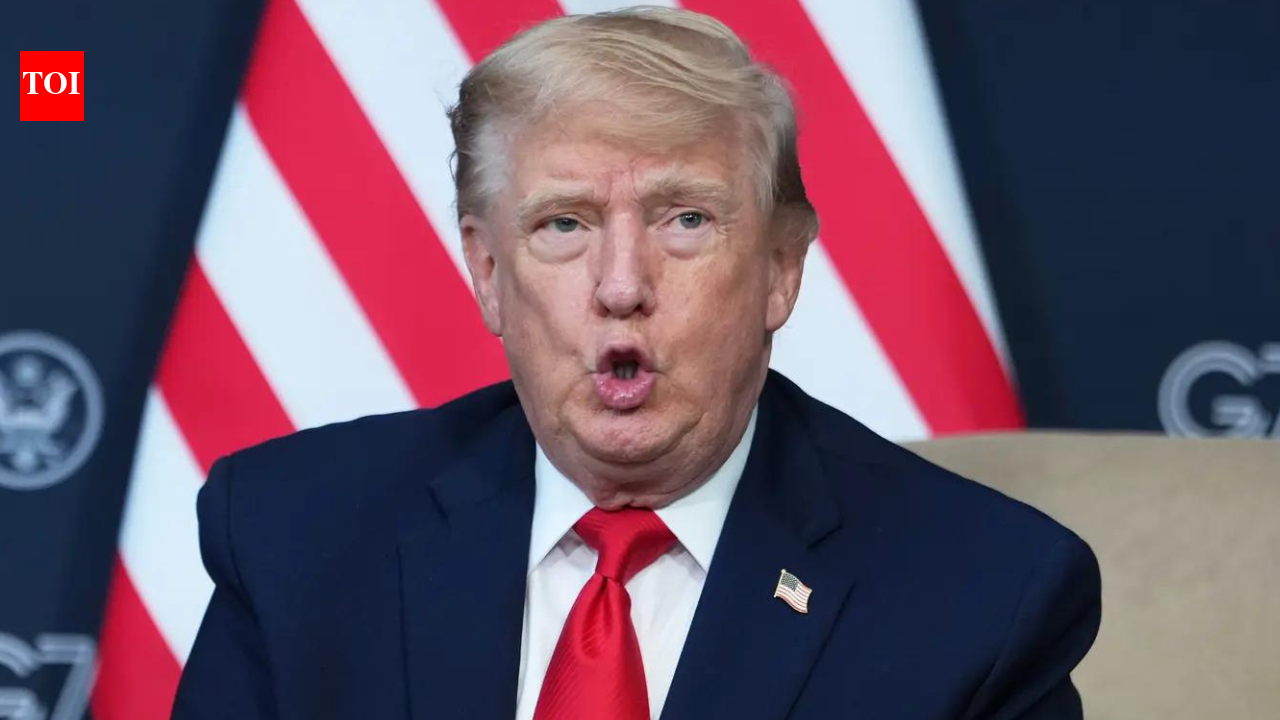
US President Donald Trump on Tuesday said Washington would soon be in a position to reimpose sanctions on Russian oil shipments after crude flows resumed through the Strait of Hormuz following a deal with Iran to end the Middle East conflict, according to Reuters.
Speaking on the sidelines of the G7 summit in Evian-les-Bains, France, Trump said, “Soon we will be able to do that as the oil is now flowing” through the Strait of Hormuz after the agreement with Iran, as quoted by Reuters.
G7 Summit and Sanctions Discussion
The remarks came as G7 leaders discussed ways to increase pressure on Moscow over its invasion of Ukraine, with sanctions targeting Russia’s energy sector among the measures under consideration. According to AP, Trump said after announcing the Iran agreement that Washington would now shift its focus towards ending the war in Ukraine.
“Now that this (Iran) is finished, we’re going to be focusing on that,” Trump said, referring to efforts to resolve the Russia-Ukraine conflict.
Ukrainian President Volodymyr Zelenskyy told reporters that G7 leaders remained united in supporting Ukraine and believed Kyiv was ready for talks aimed at securing a ceasefire, while accusing Russia of not showing serious intent towards peace.
“The entire ‘Seven’ supports Ukraine unanimously today,” Zelenskyy said.
Temporary Waiver and Market Impact
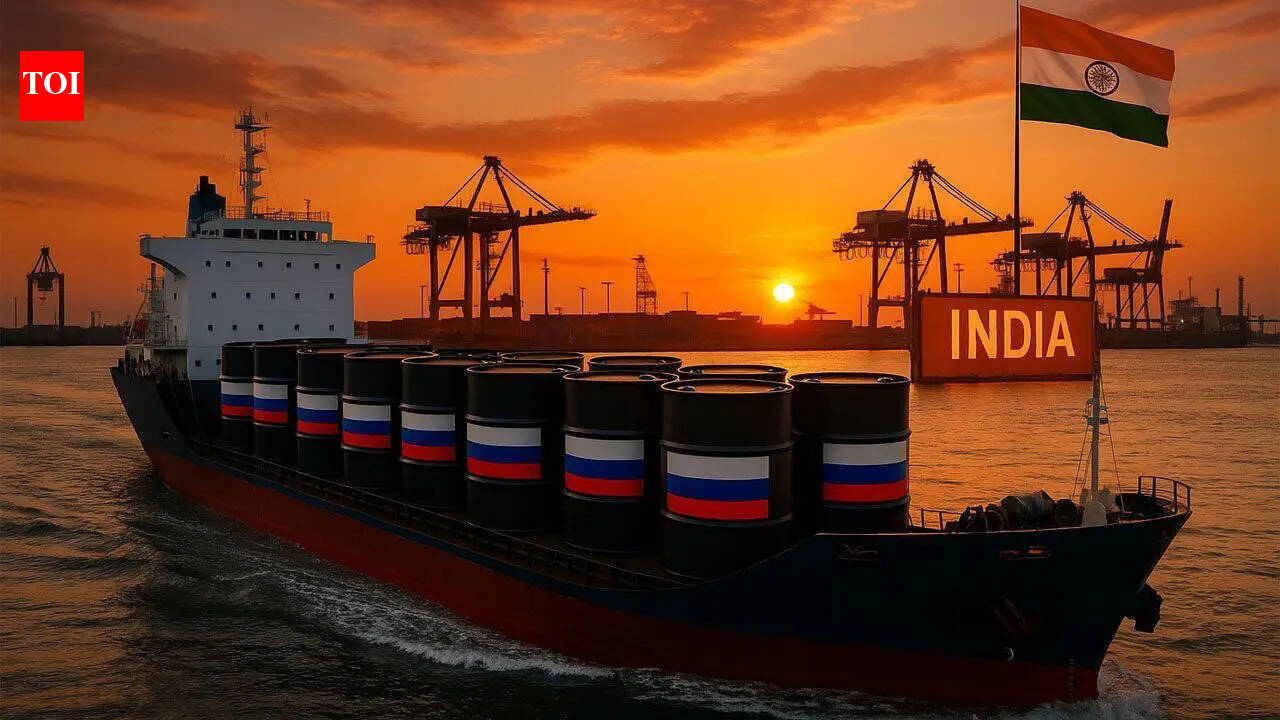
The United States had earlier imposed and extended a temporary sanctions waiver allowing certain Russian oil cargoes already at sea to continue moving, a move that had raised concerns among some European allies seeking stronger action against Moscow. Washington had eased some sanctions on Russian oil shipments in March as crude prices surged sharply, with the waiver later extended as the Ukraine war continued.
The waiver was introduced when global crude markets faced supply concerns due to conflict in West Asia and disruptions around the Strait of Hormuz, a key energy transit route.
| Event | Timeline | Details |
|---|---|---|
| US sanctions waiver imposed | Earlier (before March) | Allowed certain Russian oil cargoes at sea to continue |
| Sanctions eased | March | As crude prices surged sharply |
| Waiver extended | After March | Continued due to Ukraine war |
| Strait of Hormuz disruption | During Middle East conflict | Key energy transit route blocked |
| Iran deal announced | Tuesday (G7 summit) | Oil now flowing through Hormuz |
| US to reimpose Russian sanctions | Soon (Trump statement) | After oil flows resume |
Focus on Ukraine
The G7 discussions also came amid broader concerns over energy security and sanctions enforcement. European leaders have been pushing for tougher measures against Russia’s oil and gas revenues, which remain a major source of funding for Moscow’s war effort.
Trump’s announcement signals a potential return to full enforcement of sanctions on Russian crude exports, which could tighten global oil supplies and impact importers reliant on Russian barrels. The temporary waiver had provided some relief to refiners and traders, but its expiration could increase compliance risks and supply costs.
For import/export professionals and trade policy analysts, the key takeaway is that the US administration is preparing to reimpose sanctions on Russian oil shipments now that the Strait of Hormuz is operational again. This development will require close monitoring of enforcement actions, shipping documentation, and insurance coverage for any Russian-origin crude cargoes.
Sources: