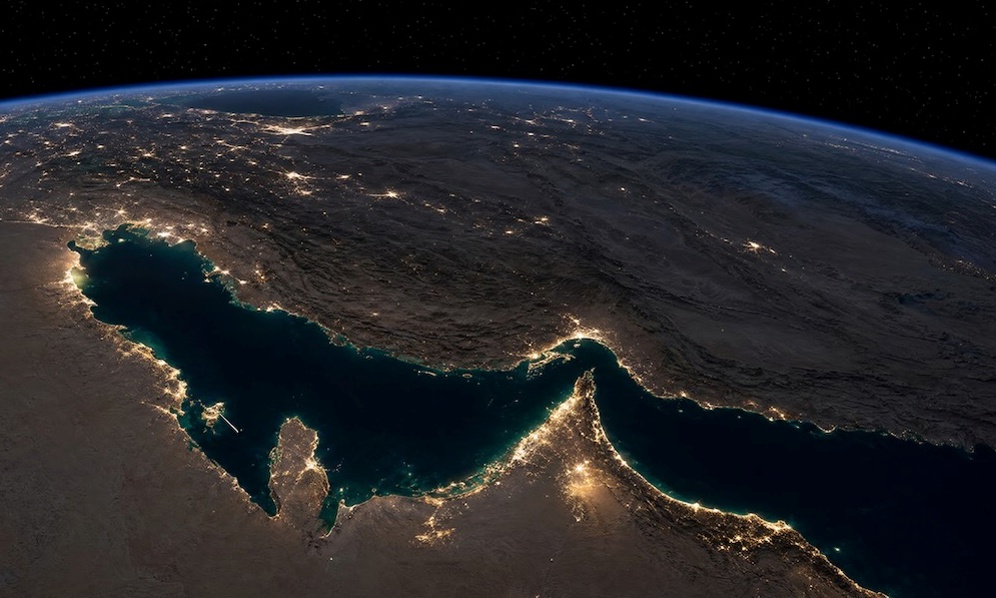
The United States has sanctioned two Iranian companies accused of operating an Islamic Revolutionary Guard Corps (IRGC)-backed extortion scheme that forces commercial ships to buy maritime insurance before transiting the Strait of Hormuz, according to a report from Splash247. The Treasury Department said Persian Gulf Marine Insurance Company and HormuzSafe Marine Services Authority sell mandatory, Iranian-approved policies purporting to protect vessels from seizures and other risks largely created by Tehran itself.
The Extortion Scheme
According to the Treasury Department, HormuzSafe Marine Services Authority also accepts payment in bitcoin and other digital assets, allowing Iran to evade sanctions while tightening its control over shipping through the strait. US Treasury Secretary Scott Bessent accused Iran of holding global commerce hostage and using international shipping to finance the IRGC. The action comes amid growing uncertainty over the future management of Hormuz, with Tehran pushing for greater oversight of inbound and outbound traffic and Oman promoting a regional system that would prevent Iran exercising sole control.
List of Sanctioned Tankers
The Office of Foreign Assets Control (OFAC) also sanctioned eight tankers and their owning or managing companies for transporting Iranian crude and petroleum products. The vessels are listed below:
| Tanker Name | Year Built | Flag State | Company Registration Country |
|---|---|---|---|
| Well Sail | 2006 | Mozambique | China |
| Lily | Not given | Mozambique | Hong Kong |
| Al Salmi | Not given | Barbados | Marshall Islands |
| Breeze V | Not given | Vanuatu | China |
| Natsumi | Not given | Not given | Hong Kong |
| Crystal | Not given | Not given | Marshall Islands |
| Nireta | Not given | Not given | China |
| Yehope | Not given | Not given | Marshall Islands |
Note: Some flag states and registration countries are not specified in the source for all vessels.
Washington said the tankers had carried millions of barrels of Iranian oil, primarily to China, since 2022. OFAC has now sanctioned more than 100 ships linked to Iran’s shadow fleet since the start of the year as it seeks to restrict Tehran’s oil revenues and reinforce US military interdiction efforts.
Broader Implications for Trade
For importers, exporters, and trade policy professionals, these sanctions signal increased US scrutiny on maritime insurance arrangements and shadow fleet operations. Companies must ensure their insurance providers are not connected to sanctioned entities like HormuzSafe and that vessels they charter are not part of Iran’s shadow fleet. The use of digital assets by HormuzSafe also highlights a new avenue for sanctions evasion that compliance officers should monitor. The ongoing tension over Strait of Hormuz governance could affect shipping costs and transit times for oil and other goods passing through the chokepoint, which handles about 20% of global petroleum trade. With OFAC accelerating its sanctions, the risk of secondary sanctions for entities dealing with these tankers or insurance schemes remains high.
Sources: