Brent crude traded above $90 per barrel in early Asian hours on Thursday, gaining 38 cents, or 0.41%, to $92, while WTI crude rose 27 cents, or 0.32%, to $84.66 as of 7:30 am IST, according to Business-Today. The benchmarks extended their Wednesday advance, when both settled at their highest levels since July 24, as investors weighed the US-Iran war and the status of shipping through the Strait of Hormuz.
Prices hold recent gains on Middle East risk
Market sentiment remained supported by sporadic attacks in the Middle East, although the absence of a major escalation has limited fresh momentum, according to analysts cited by Business-Today. The stabilization above the $90 mark for Brent keeps the risk premium in focus for energy traders and procurement teams tracking crude supply.
Strait of Hormuz: conflicting signals stall shipping
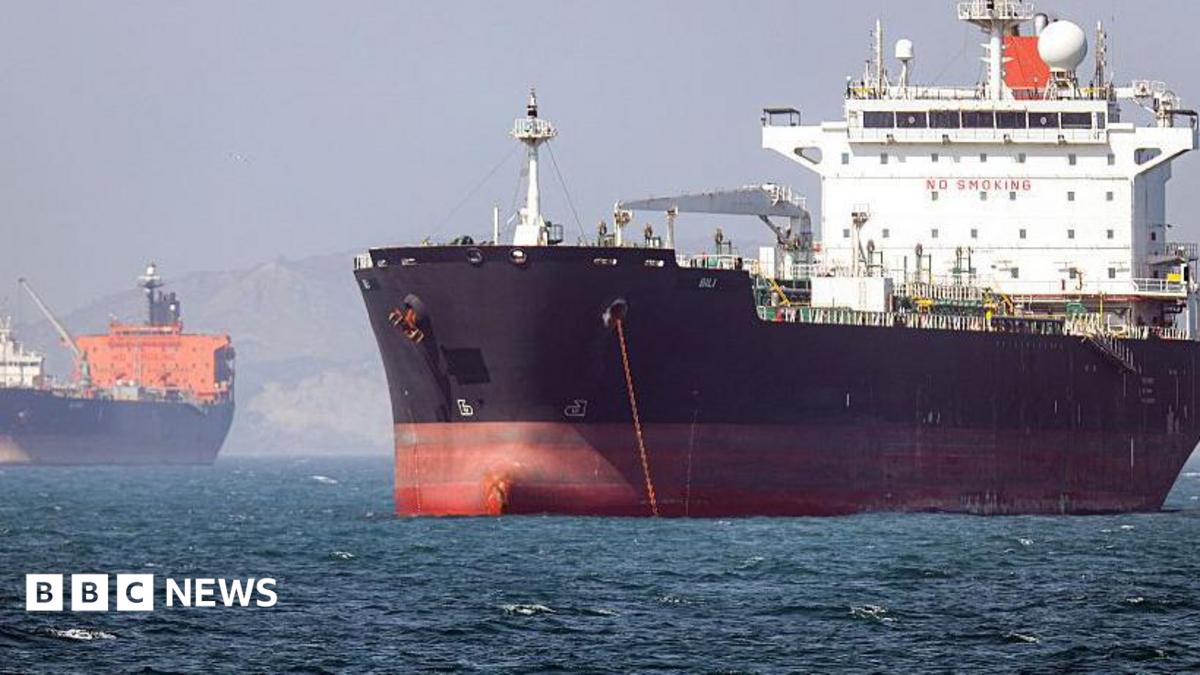
The Strait of Hormuz remained the key focus for oil markets. US President Donald Trump said on Tuesday that no talks were taking place with Iran and that the waterway was open; Iran, meanwhile, said the strait remained shut, Business-Today reported. Data showed on Wednesday that shipping through the strait had slowed, with most shipowners avoiding the crucial waterway amid a lack of clear signalling over its reopening following a blockade imposed during the Iran war.
UAE-Iran financial suspension deepens Gulf tension
The UAE's decision to suspend all financial and economic transactions with Iran until further notice has added to concerns over relations between the Gulf Arab oil producer and Iran, according to Business-Today. The move introduces an additional layer of uncertainty for shipowners, charterers and traders who depend on clean passage through the region.
US crude inventories build, topping expectations
On the supply-fundamentals side, the Energy Information Administration (EIA) reported that crude and gasoline inventories rose last week, while distillate stockpiles declined, according to Reuters. Crude inventories increased by 4.4 million barrels in the week ended August 14, compared with expectations for a 600,000-barrel draw. The build signals that near-term physical supply is looser than the geopolitical headlines might suggest, even as the risk premium persists.
| Benchmark | Price at 7:30 am IST | Change | % Change |
|---|---|---|---|
| Brent crude | $92.00 | +38 cents | +0.41% |
| WTI crude | $84.66 | +27 cents | +0.32% |
Key drivers for the market, as reported by Business-Today and Reuters:
- Sporadic Middle East attacks supporting sentiment, with no major escalation to spark fresh buying.
- Conflicting statements from the US and Iran over whether the Strait of Hormuz is open or shut.
- A slowdown in shipping through the strait, with most shipowners avoiding the waterway.
- The UAE suspending financial and economic transactions with Iran.
- US crude inventories rising 4.4 million barrels last week, far above the expected 600,000-barrel draw.
For commodity traders and procurement teams, the current setup combines a firm geopolitical risk premium with a surprisingly large US crude inventory build. That mixed picture leaves prices sensitive to any new signals on Hormuz reopening or further US-Iran escalation, as well as to next week's EIA data release, which traders will scan for confirmation of the inventory trend.
Sources: