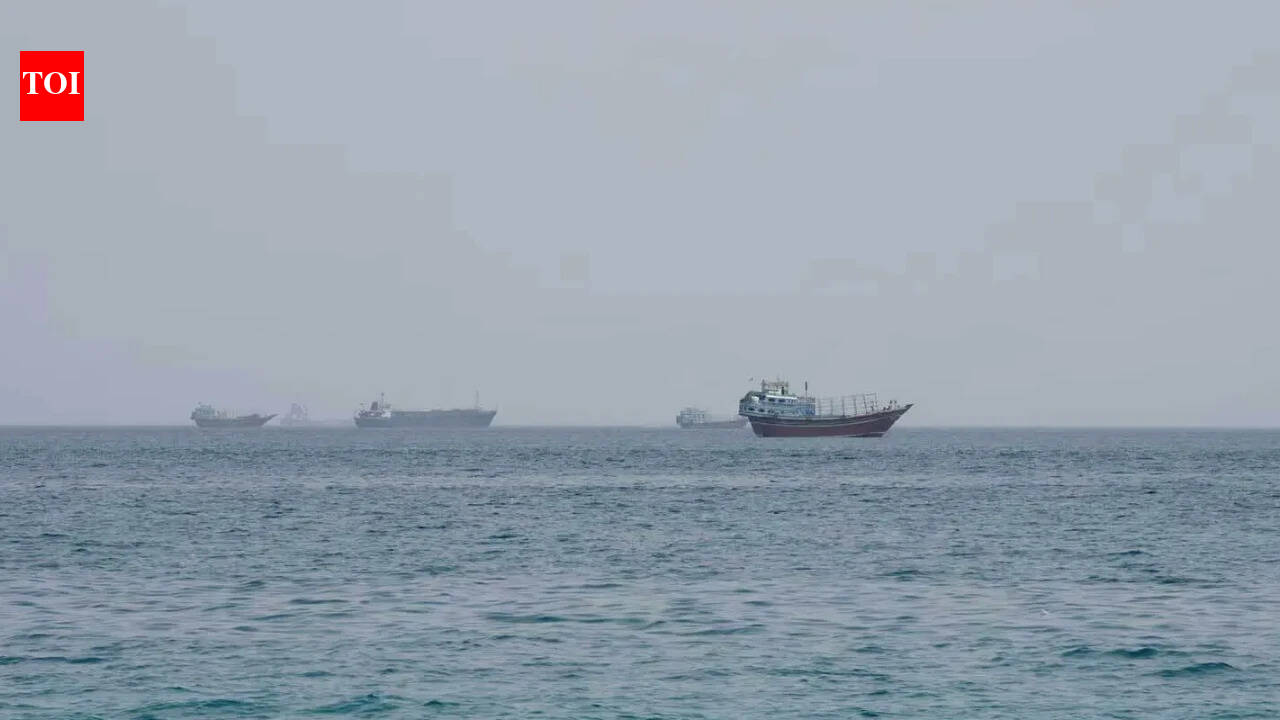
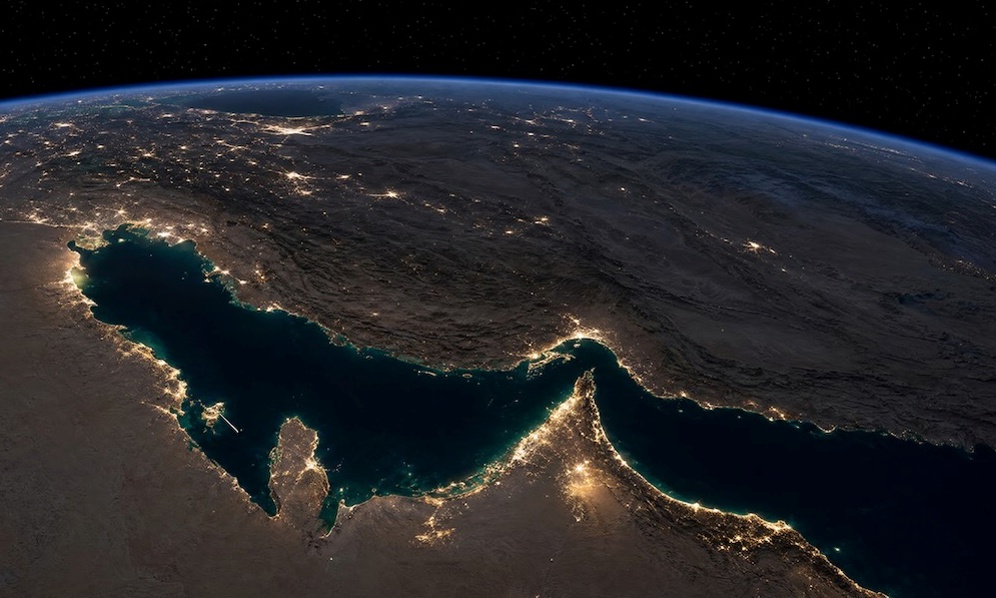
The security framework for the Strait of Hormuz has effectively collapsed after US and Iranian forces exchanged fresh military strikes over the weekend, with drone attacks on two commercial vessels in 48 hours threatening the critical chokepoint for global oil and container shipping flows, according to Splash247.
Collapse of the Ceasefire
The 14-point memorandum of understanding brokered by Pakistan less than two weeks ago has unravelled, Splash247 reported. The agreement was meant to halt hostilities between the US and Israel on one side and Iran on the other, reopen the strait to commercial shipping, and begin 60-day negotiations. Washington had waived sanctions on Tehran as part of the deal. Since then, the situation has deteriorated sharply.
President Trump warned on Truth Social on Saturday that "there may come a point when we are no longer able to be reasonable, and will be forced to militarily complete the job that we very successfully started," adding that "the Islamic Republic of Iran will no longer exist" if that point is reached.
Attacks on Commercial Shipping
On June 27, an Iranian drone struck the Panama-flagged oil tanker Kiku as it transited the strait carrying two million barrels of crude from Qatar's Al Shaheen Offshore Terminal bound for Fujairah. The attack damaged the vessel's bridge at around 08:00 UTC, though all crew were reported safe with no environmental damage observed. This was the second attack on a commercial vessel within 48 hours, following a drone strike on the containership Ever Lovely on June 25 as it passed through the strait's southern shipping corridor.
| Vessel | Flag | Cargo | Date | Damage |
|---|---|---|---|---|
| Kiku (tanker) | Panama | 2M barrels crude | June 27 | Bridge damage; crew safe |
| Ever Lovely (containership) | Not specified | Containers | June 25 | Drone strike; details not disclosed |
Impact on Shipping Operations
US Central Command responded with strikes on Iranian military targets including surveillance infrastructure, communication systems, air defence sites, drone storage facilities and minelayer capabilities, saying Iran had been "given a chance to honor the ceasefire agreement but elected not to." Iran's Islamic Revolutionary Guard Corps retaliated with a joint missile and drone operation against eight US military sites in Kuwait and Bahrain. Both Gulf states denounced the attacks. No significant damage or US casualties were reported.
Iran's position on the strait has hardened into a source of serious long-term concern, Splash247 noted. Foreign minister Abbas Araghchi warned that any attempt by ships to bypass Iran's preferred routing corridor near its own shores would "increase tensions" and delay the reopening of the waterway. Iran's Revolutionary Guards said vessels violating their traffic control measures would be dealt with "more firmly than before." Mohammad Mokhber, adviser to Iran's supreme leader, wrote on X that as long as Iran managed the strait, Washington's "hegemonic dreams in the region will not be realised."
Diplomatic Efforts and Alternative Routes
Diplomats are preparing to meet in Doha on Tuesday to salvage the ceasefire, but neither side appears willing to fully honour it. Meanwhile, Oman has announced an alternative transit corridor hugging its own shoreline, developed in conjunction with the IMO, which infuriated Tehran. Oman has separately informed European partners that shipping through the strait is unlikely to return to pre-conflict arrangements, with potential fees for navigational assistance and other maritime services under consideration. French president Emmanuel Macron is scheduled to meet Oman's Sultan Haitham bin Tariq in Paris, with Hormuz maritime security expected to feature prominently on the agenda.
Watch List
- Doha talks on Tuesday: outcome will determine near-term risk of further attacks.
- Omani corridor implementation and announced fee structure.
- Iranian enforcement of its preferred routing and potential further vessel seizures.
- US-Iran military posture: any further escalation could close the strait entirely.
Sources: