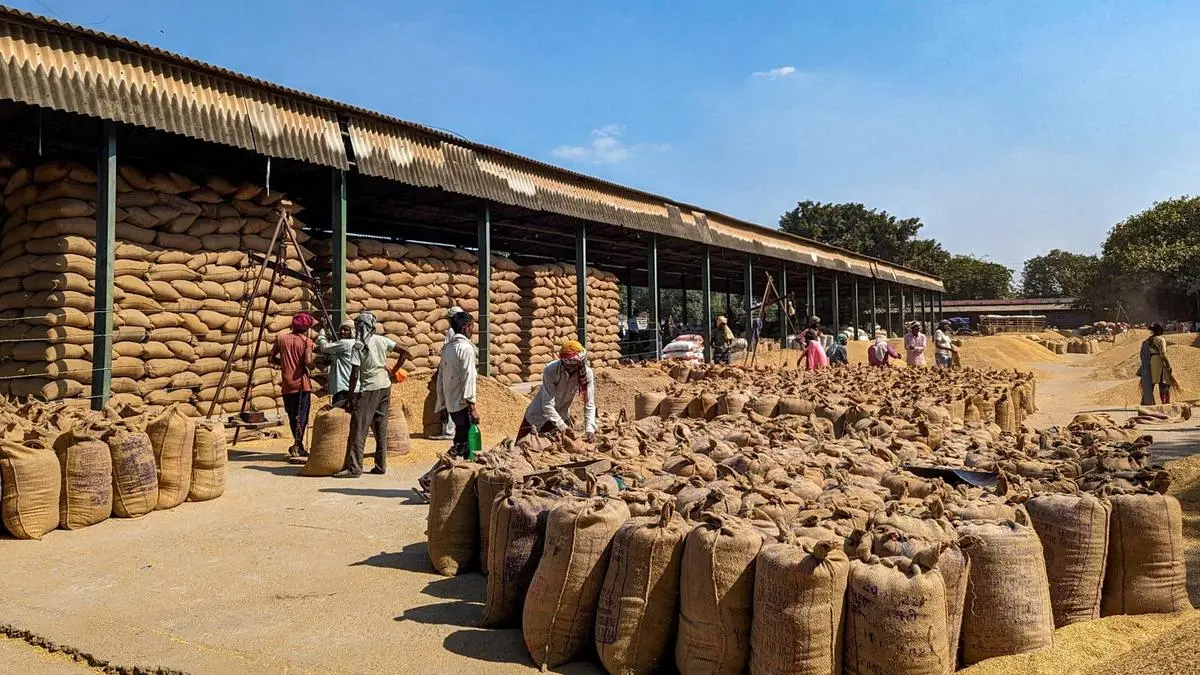
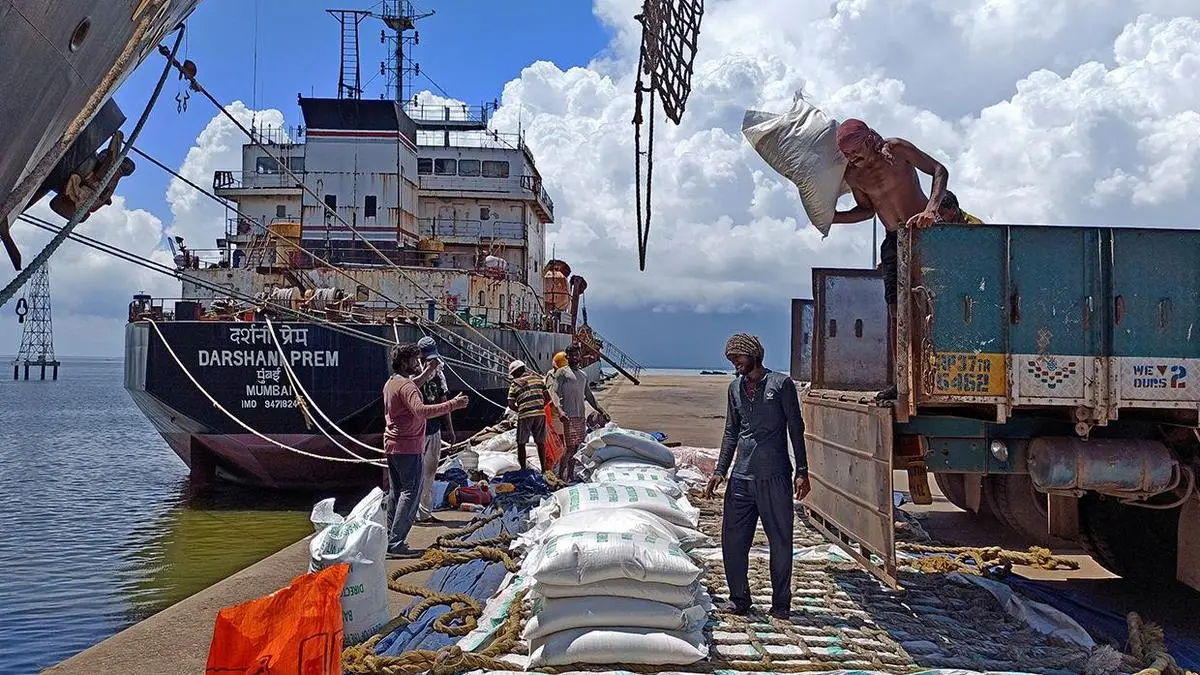
China has rejected at least three cargoes of dried red chilli from India and suspended three Indian exporters over the alleged presence of methamidophos residues, according to The Hindu Business Line. The development comes on the heels of Beijing rejecting Indian rice consignments, raising concerns among exporters already facing reduced offtake.
China is the largest buyer of Indian dry red chillies, consistently absorbing over a third of India's annual exports. Demand is driven by the oleoresin, food, and culinary sectors, with China primarily purchasing the Teja variety for oleoresin extraction. Annual shipments to China have fluctuated between 1.5 and 1.9 lakh tonnes (lt). In 2024-25, chilli exports to China registered a growth of 31 per cent to reach 2.36 lt. India's total chilli exports touched 7.15 lt during 2024-25, a 19 per cent increase over the previous year's 6.01 lt, according to trade data cited in the report.
Expert Analysis on Methamidophos Detection
"The detection of methamidophos in an exported chilli consignment is a matter of concern because methamidophos is not separately registered for agricultural use in India. However, methamidophos may occur as a metabolite of acephate, an insecticide that remains registered for use on certain crops in India and is reportedly used by some chilli growers," said Bhagirath Choudhary, Founder Director of the South Asia Biotechnology Centre (SABC).
"The rejection of a chilli consignment by China should not be viewed merely as an isolated compliance issue but as a reminder of the increasingly stringent food safety and residue standards being applied in international trade. Recent trade-related concerns involving agricultural consignments of rice and chilli indicate that China is exercising heightened scrutiny over food safety parameters, including pesticide residues and GMO-related requirements. Such incidents can affect the reputation of an entire commodity sector, even when they involve only a few consignments," Choudhary said.
Quality Issues and Trade Negotiations
According to trade sources quoted by The Hindu Business Line, around 3,000 containers of chilli have been exported to China this year, of which 10-15 per cent reportedly faced quality issues, mainly due to excess moisture and pesticide residues. The spurt in chilli prices has prompted Chinese importers to seek lower prices, bringing quality concerns to the fore. High moisture content is attributed to inadequate post-harvest handling and quality control measures driven by cost considerations.
Despite the quality issues, none of the affected consignments have been returned. Instead, importers are reportedly negotiating price discounts with suppliers to compensate for deficiencies. Sources added that major exporters are not involved in these transactions, which largely comprise traded consignments of whole chilli. The Spices Board maintained they have no information on the matter.
Implications for India's Spice Trade
Choudhary further warned that India already faces a significant trade imbalance with China and safeguarding market access for agricultural exports should be a strategic priority. He called for stronger farmer-awareness programmes, improved stewardship of crop-protection products, residue surveillance, and faster adoption of safer and more sustainable integrated pest-management practices. "Strengthening compliance across the value chain will be essential to protect India's competitiveness in global spice markets," he said.
| Metric | 2023-24 | 2024-25 | Change |
|---|---|---|---|
| India's chilli exports to China (lt) | ~1.8* | 2.36 | +31% |
| India's total chilli exports (lt) | 6.01 | 7.15 | +19% |
| Containers exported in 2025-26 (year to date) | - | ~3,000 | - |
| Containers with quality issues | - | 10-15% | - |
| *Estimated based on historical range of 1.5-1.9 lt. Exact figure not provided in source. |
The rejections come at a time when China had made record purchases of Indian chillies in 2024-25, taking advantage of lower domestic prices and building inventories. While import data for 2025-26 was not immediately available, offtake has reportedly slowed due to higher carryover stocks and rising chilli prices in India following a smaller crop.
Sources: