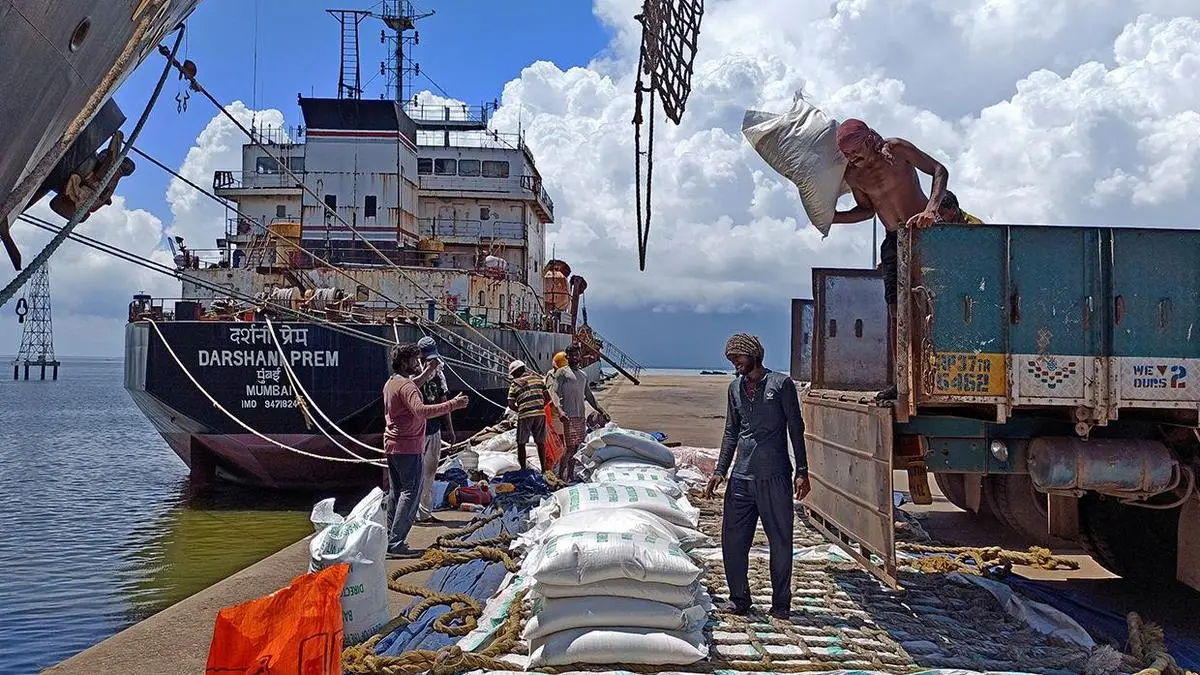
China has once again rejected consignments of Indian non-basmati rice, citing the presence of genetically modified organisms (GMOs). This development has exacerbated trade tensions between the two countries, with India maintaining that no GM rice is cultivated within its borders.
Repeated Rejections
In recent weeks, Chinese authorities have turned away 4-5 consignments, adding to the approximately 70 shipments rejected since March. These actions have led to the suspension of import licenses for three Indian firms accused of exporting rice containing GMOs.
- 70 consignments rejected by China
- 200 containers voluntarily held back by exporters
- 3 Indian firms had import licenses suspended
India's Stance
India has firmly stated that no GM rice is grown in the country. The Genetic Engineering Appraisal Committee (GEAC), the regulatory authority for GM crops in India, has not approved any GM rice. The Indian Council of Agricultural Research and the Ministry of Agriculture have reiterated this position.
"India has firmly said no GM rice is grown in the country. Despite the Chinese knowing this, they are rejecting our consignments. It signals that they are indulging in some trade war with India," said a trade source.
Potential Trade War
The rejections have sparked concerns of a trade war, with some officials alleging that China aims to tarnish India's image in the global market. S Chandrasekaran, author of "Basmati Rice: The Natural History Geographical Indication," suggests that these incidents may be part of a broader narrative to undermine Indian agriculture and food exports.
Impact on Trade
The ongoing dispute has significant implications for bilateral trade, particularly affecting Indian exporters who are now cautious about shipping rice to China. The situation underscores the need for diplomatic engagement to resolve the issue and restore confidence in trade relations.
| Aspect | Details |
|---|---|
| Rejected Consignments | 70 |
| Voluntarily Held Containers | 200 |
| Suspended Import Licenses | 3 |
The trade community continues to monitor developments closely, as the resolution of this issue is crucial for maintaining healthy trade relations between India and China.