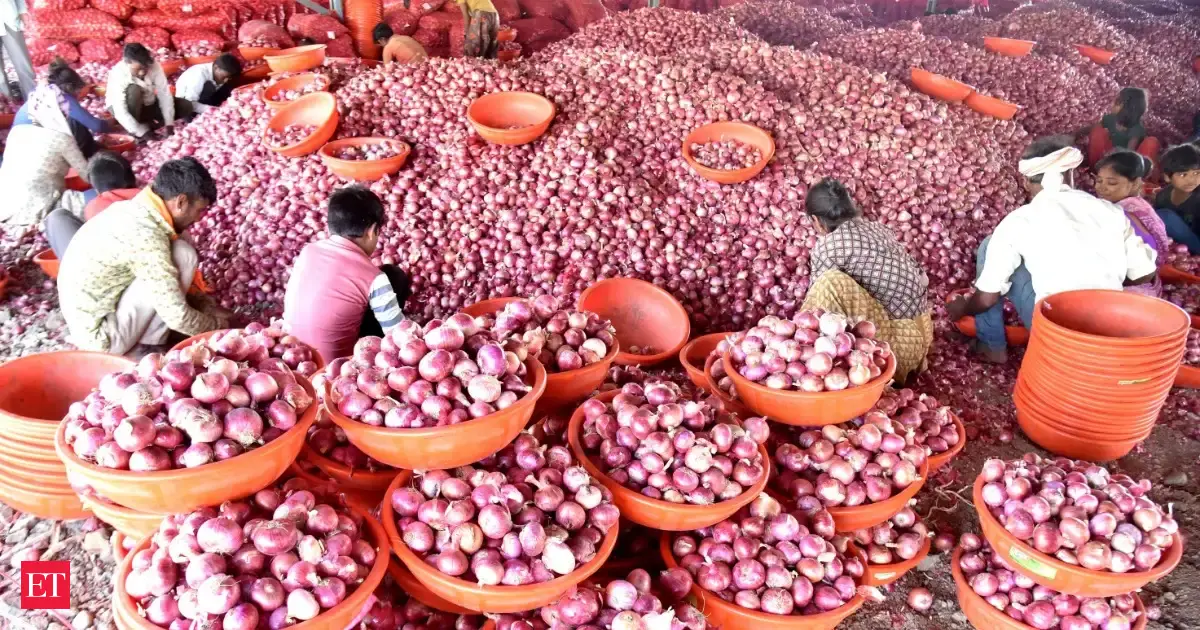
The Agricultural and Processed Food Products Export Development Authority (APEDA) is betting on upcoming free trade agreements (FTAs), agri-start-ups, and farmer producer organisations (FPOs) to propel the next phase of growth in India's agricultural exports, according to APEDA Chairman Abhishek Dev.
Free Trade Agreements as Game Changers
In an interview with ANI, Dev described the recently concluded FTAs with the United Kingdom and the European Union as potential 'game changers' for India's agricultural exporters. He said the agreements would place Indian exporters on a level playing field with competitors in the UK and EU markets, particularly benefiting processed food products as tariff lines are liberalised. According to Dev, APEDA's regional offices are actively educating exporters on rules-of-origin compliance to ensure they can avail themselves of the benefits offered under the FTAs.
Strengthening the Export Ecosystem: Start-ups and FPOs
Beyond trade agreements, APEDA is focusing on innovation and greater farmer participation. Dev highlighted the success of APEDA's Bharti programme for agri-start-ups, stating that more than 100 start-ups were supported in its first edition. Of these, eight start-ups will be showcased at an event at Bharat Mandapam in New Delhi.
Dev also underlined efforts to integrate FPOs into export value chains. APEDA currently has around 1,400 FPO members and aims to increase the number to nearly 3,000 this year. A dedicated FPO export promotion programme is expected to be launched within the next two to three months.
| Key Metric | Current Figure | Target |
|---|---|---|
| FPO members | 1,400 | 3,000 this year |
| Start-ups supported (Bharti edition 1) | 100+ | Showcase of 8 at Bharat Mandapam |
| Agricultural exports share of total merchandise exports | 12% | Increase expected |
Diversifying Export Sourcing
Dev said agricultural exports currently account for around 12 per cent of India's total merchandise exports and expressed confidence that the share would increase further in the coming years. He also highlighted efforts to source exportable produce from untapped regions, including the Northeast and landlocked states. As examples, he cited recent exports of litchi and Amrapali mangoes from Jharkhand, reflecting APEDA's push to diversify both India's export geography and product basket.
The developments signal a comprehensive strategy to modernise India's agricultural export ecosystem through trade policy, entrepreneurial support, and grassroots farmer integration. APEDA's focus on compliance education, start-up incubation, and FPO scaling is designed to translate the FTA advantages into tangible export gains, particularly for processed food products facing tariff liberalisation in the UK and EU markets.
Sources: