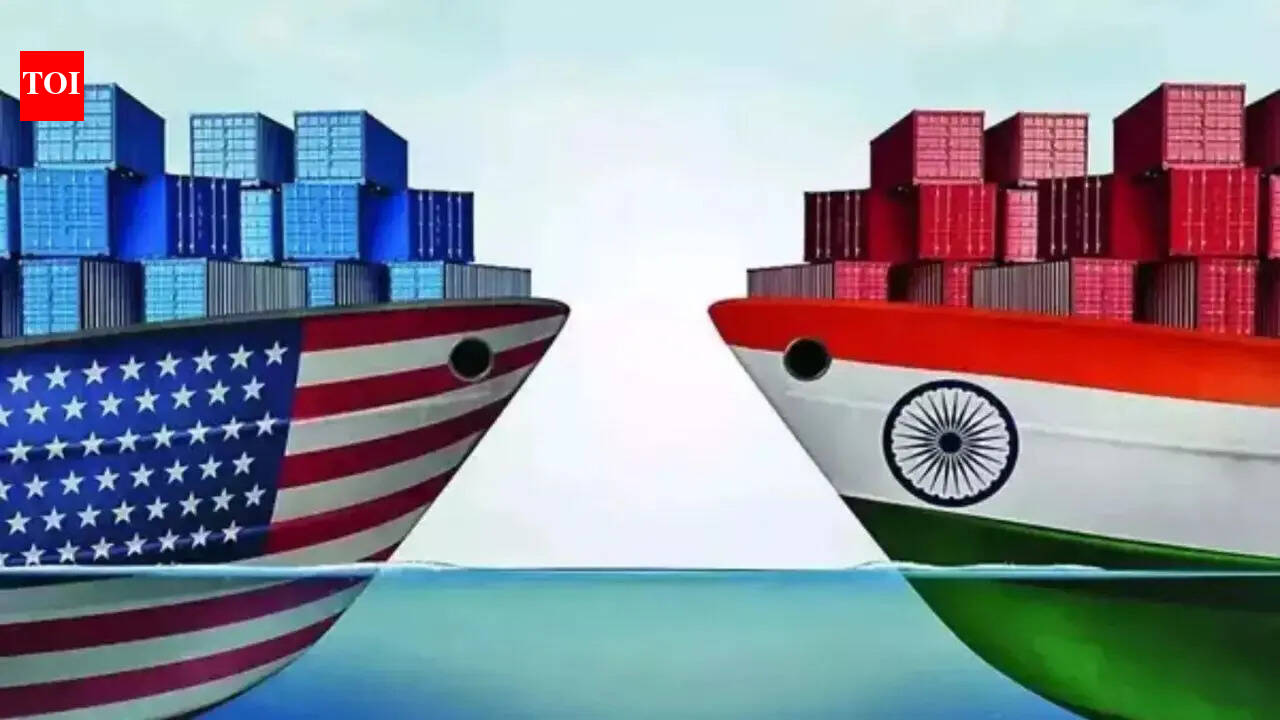
The United States has imposed a 10% tariff on imports from India, Pakistan, Bangladesh, the United Kingdom, and several other countries, according to a final report published Friday by the U.S. Trade Representative (USTR). The action follows a Section 301 investigation into forced labour practices in those nations.
Tariff Details and Affected Countries
The USTR announced a 10% tariff on products from India, Pakistan, Bangladesh, Cambodia, Sri Lanka, Guatemala, Honduras, Trinidad and Tobago, and the UK. The tariff applies to all products except those specifically exempted in the order. The USTR stated: "Based on the findings in the investigation of India, including India’s adoption of a forced labor import prohibition… and considering the public comments and testimony, the advice of the Section 301 Committee, as well as the advice of advisory committees, and in accordance with the specific direction of the President, the Trade Representative has determined to impose 10% tariffs on products of India, except…"
| Country | Tariff Rate | Effective Date |
|---|---|---|
| India | 10% | Immediate (per USTR order) |
| Pakistan | 10% | Immediate |
| Bangladesh | 10% | Immediate |
| UK | 10% | Immediate |
| Cambodia | 10% | Immediate |
| Sri Lanka | 10% | Immediate |
| Guatemala | 10% | Immediate |
| Honduras | 10% | Immediate |
| Trinidad and Tobago | 10% | Immediate |
Background: Forced Labour Investigation
The USTR launched the Section 301 investigation into forced labour practices in response to concerns over the use of forced labour in supply chains. On June 14, India amended its foreign trade policy to prohibit the import of goods produced using forced labour. According to the USTR, Cambodia, Guatemala, Honduras, India, Sri Lanka, and Trinidad and Tobago have undertaken commitments to impose forced labour import prohibitions following government-to-government consultations. To date, 10 trading partners have agreed to enact such a ban in their Agreements on Reciprocal Trade.
The USTR also noted that Washington initiated another probe in March alleging excess capacity in certain goods, but that report is still pending. The current tariff action is separate from that excess capacity investigation.
Bilateral Trade Negotiations Context
The new tariffs come as negotiations between India and the US for a proposed bilateral trade agreement (BTA) are progressing. Commerce and Industry Minister Piyush Goyal and USTR Representative (likely Jamie Greer) met last month to discuss the first phase of the BTA. New Delhi has insisted on a comparative advantage vis-à-vis its neighbours and competing countries, and has stated that the deal will cover all aspects of trade. The framework deal is ready to be signed at the right time, according to the Economic Times.
The USTR final report emphasized that the tariff rate and scope were determined to be appropriate to obtain the elimination of the acts, policies, and practices determined to be actionable in the investigation.
Sources: