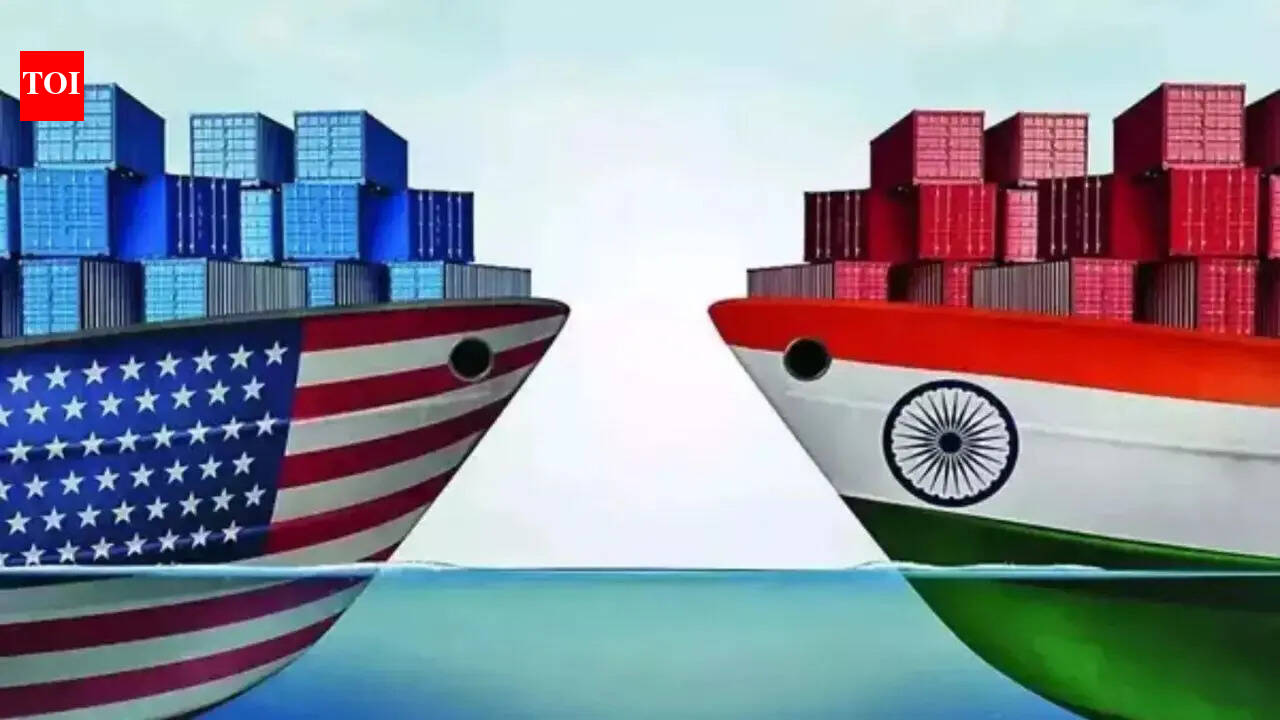
India and the United States have entered into discussions aimed at enhancing their bilateral trade relationship by focusing on non-tariff measures. This development comes as both nations seek to address broader issues beyond traditional trade in goods, including customs and trade facilitation, as well as economic security alignment.
Non-Tariff Measures in Focus
A team from the United States Trade Representative (USTR) office has been in India since Monday to advance negotiations on a trade agreement that has been under discussion for over 15 months. The talks are reportedly in the final stages, with both sides expressing a commitment to concluding a mutually beneficial agreement.
- Customs and Trade Facilitation: The discussions have highlighted the importance of streamlining customs procedures to facilitate smoother trade flows.
- Economic Security Alignment: Both countries are keen on aligning their economic security measures to ensure a stable trade environment.
"The engagements were marked by a spirit of cooperation and pragmatism," an official statement noted, emphasizing the positive tone of the negotiations.
Potential Tariff Adjustments
The USTR has proposed a 12.5% additional tariff on India and over 50 other countries due to concerns over imports of goods produced using forced labor. This proposal is part of a broader strategy to address labor rights issues in global supply chains.
| Country | Proposed Additional Tariff |
|---|---|
| India | 12.5% |
| Others | 12.5% |
The decision on the rate of additional levy will depend on how the current US administration addresses these issues, especially as the existing 10% levy is set to expire next month.
Conclusion
As India and the US work towards finalizing their trade agreement, the focus on non-tariff measures underscores the evolving nature of international trade negotiations. Both nations are poised to strengthen their economic ties through these discussions, potentially setting a precedent for future trade agreements.
The ongoing negotiations and proposed tariff changes are being closely monitored by trade policy professionals and import/export stakeholders, given their potential impact on bilateral trade volumes and economic relations.