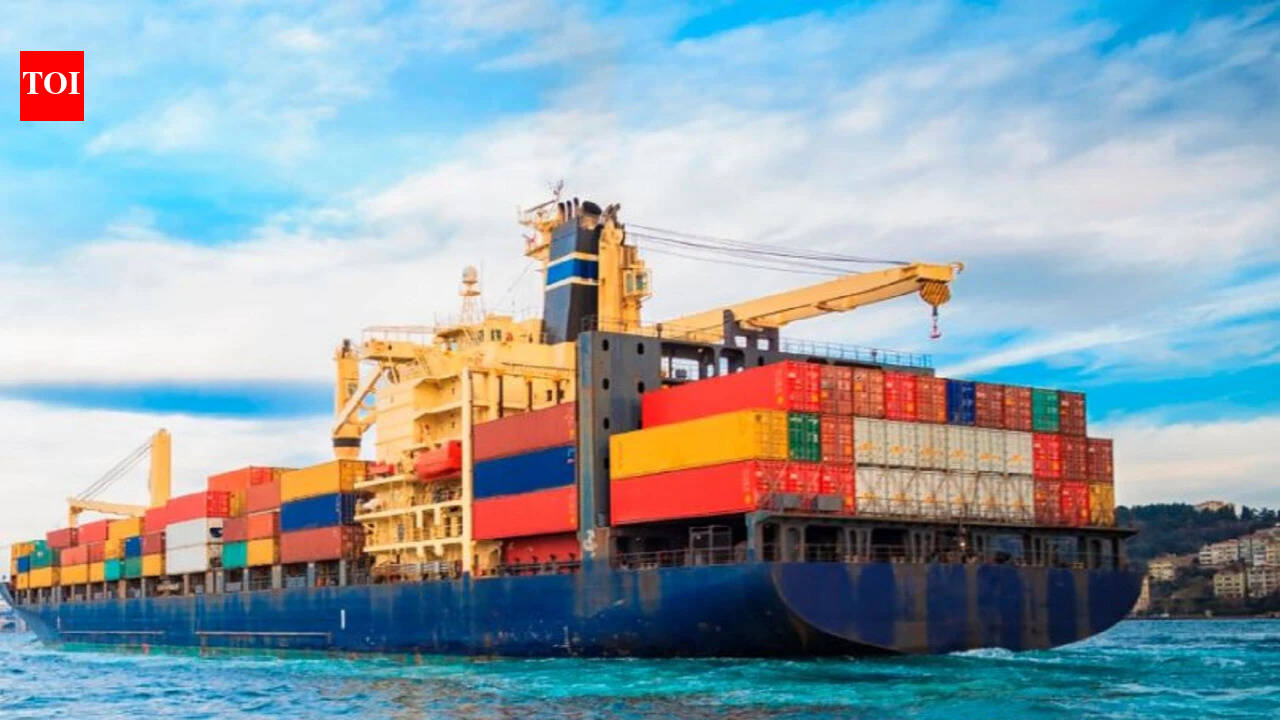
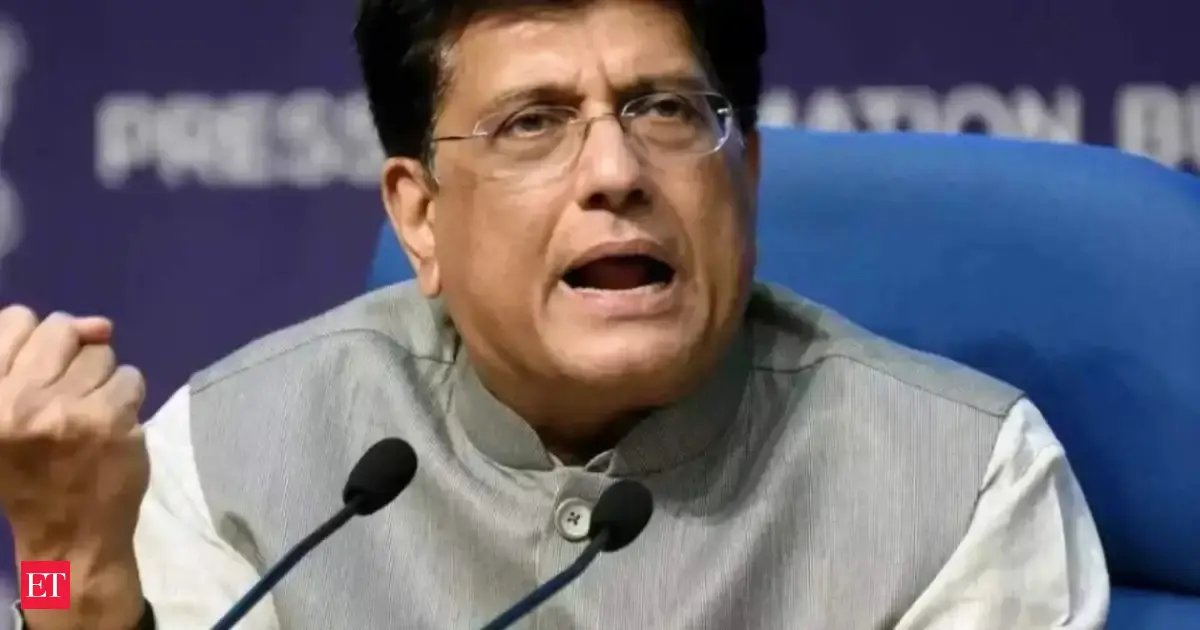
India is setting an ambitious target to triple its seafood exports to $30 billion over the next five years, as announced by Commerce and Industry Minister Piyush Goyal. Currently, the country's seafood exports stand at $8.5 billion. The strategy focuses on enhancing the quality and manufacturing of value-added products to secure better prices in international markets.
Strategic Focus
India plans to achieve this target by:
- Increasing production and quality of seafood.
- Finalizing nine free trade agreements with developed nations to provide greater market access.
- Reducing imports of raw shrimp and focusing on exporting value-added goods.
"Let’s target USD 30 billion in the next five years," said Goyal at a national workshop on seafood exports.
Global Trade Context
India's fisheries exports have grown by 70% from $5 billion in 2013-14 to $8.5 billion in the last fiscal year. Meanwhile, global trade in the fisheries sector increased from $150 billion to $164 billion during the same period.
| Year | India's Seafood Exports | Global Fisheries Trade |
|---|---|---|
| 2013-2014 | $5 billion | $150 billion |
| Last Fiscal | $8.5 billion | $164 billion |
Challenges and Government Support
Despite high tariffs, such as the 55.8% imposed by the US, India has managed to increase exports to the EU, Japan, China, and Southeast Asia. Goyal acknowledged the challenges posed by high shipping freight costs, attributing them to global demand and supply dynamics.
Infrastructure and Value Addition
Fisheries, Animal Husbandry and Dairying Minister Rajiv Ranjan Singh emphasized the need to increase India's share in global fisheries exports through value addition and infrastructure development, particularly in inland states.
The Indian government is also addressing energy and fertilizer costs to support the sector. Fertilizer prices are subsidized significantly, with the government spending over Rs 2 lakh crore to bridge the gap between international prices and what farmers pay.
Conclusion
India's ambitious seafood export target is part of a broader strategy to enhance its global trade footprint, leveraging free trade agreements and focusing on value addition to maximize gains for exporters and small fishermen.