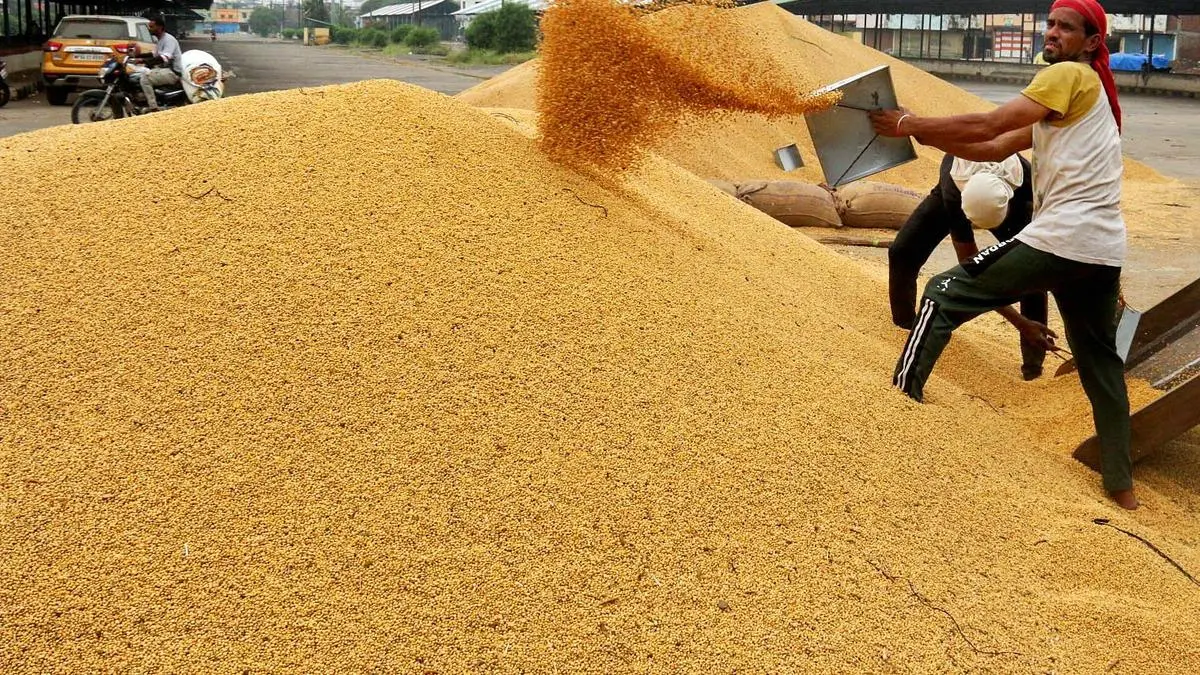
Indian traders have cancelled 25,000 metric tons of soymeal export contracts for the first time since 2021, opting instead to import 80,000 tons of soybeans from African countries. This strategic shift comes as domestic soybean prices surge, reversing traditional trade flows and impacting global markets.
Market Dynamics
The cancellations are poised to benefit soymeal suppliers in North and South America, who may now increase shipments to Asian buyers traditionally reliant on Indian exports. Vinod Jain, founder of Suraj Impex, noted that India's soybean imports could reach a record 800,000 tons by September 2026, a significant rise from the previous year's 2,000 tons.
- Domestic Price Surge: Local soymeal prices jumped 41% in a month to 66,000 rupees per metric ton, the highest in four years.
- Export Offers: Indian soymeal export offers for June shipments rose to $695 per metric ton, up from $475 a month ago.
African Soybean Imports
India's shift to African soybean imports is driven by the need for non-genetically-modified (non-GM) beans, available from countries like Benin, Niger, Togo, and Nigeria. These beans command a premium over genetically modified varieties.
"It wasn't possible for sellers to absorb the $200 per ton increase, so they mutually agreed with buyers to cancel the contracts," said a trade source.
Pricing and Supply
Traders have purchased African soybeans at $700 to $760 per ton on a cost, insurance, and freight basis for June and July shipments. Manoj Agrawal, managing director of Maharashtra Oil Extractions, confirmed ongoing purchases as local prices remain high.
| Metric | Previous Year | Current Year |
|---|---|---|
| Soybean Imports | 2,000 tons | 800,000 tons (projected) |
| Soymeal Export Offers | $475 per ton | $695 per ton |
Future Outlook
Soybean supplies are expected to remain tight until the new crop arrives in September and October. Ashok Bhutada, a soybean processor in Latur, Maharashtra, emphasized the necessity of importing from Africa to meet demand.
India's strategic pivot in soybean trade underscores the volatility in agricultural commodities and the impact of domestic price fluctuations on international trade dynamics.