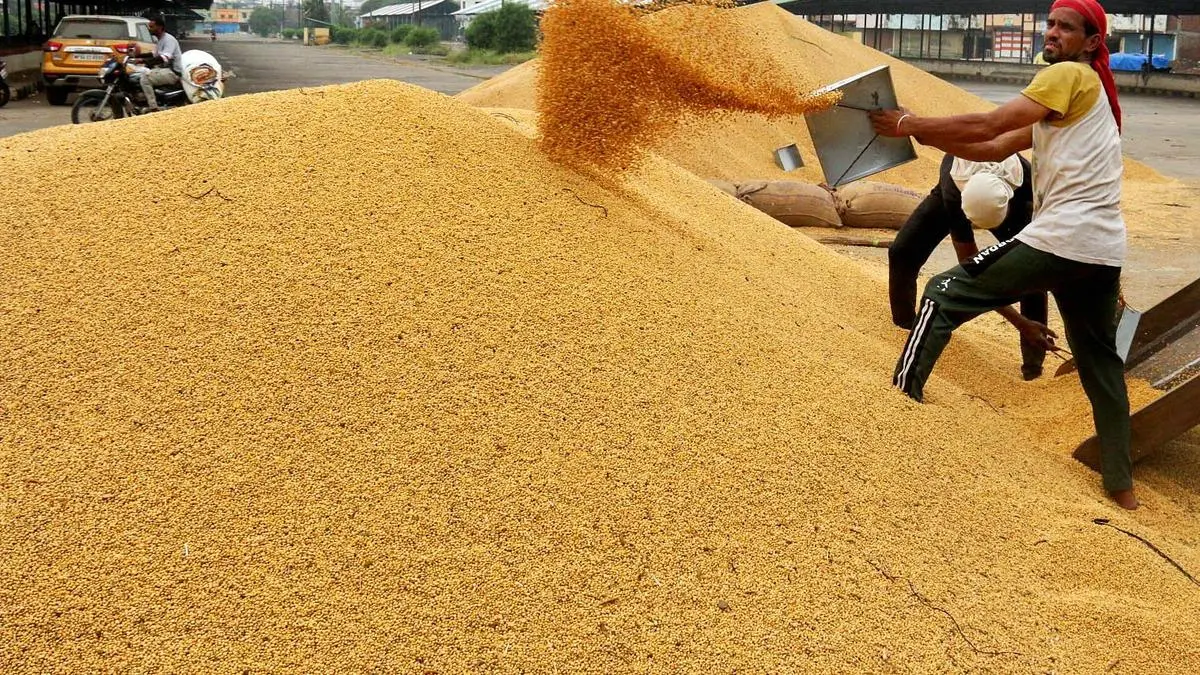
India's spice exports experienced a notable decline in the fiscal year 2025-26, with total exports dropping by 6% to $4.43 billion. This downturn was largely attributed to a decrease in demand for key spices such as chilli and cumin from major importers like China and Bangladesh.
Decline in Key Spice Exports
Chilli, which is the largest contributor to India's spice export basket, saw a 12% decline in value to $1.17 billion. Cumin exports also faced a significant drop, with volumes decreasing by 14% and value by 28% to $524.22 million.
Mixed Performance Across Spice Categories
While the overall export figures were down, certain spices bucked the trend. Small cardamom exports surged by 124% in both volume and value, reaching $413 million. Similarly, tamarind exports increased by 42% to $50.77 million.
"The decline in chilli and cumin exports highlights shifting demand dynamics in key markets," said Vishwanath Kulkarni, an industry analyst.
Comparative Export Data
| Spice Product | FY25 Value ($ million) | FY26 Value ($ million) | Change (%) |
|---|---|---|---|
| Chilli | 1,340 | 1,170 | -12 |
| Cumin | 732 | 524.22 | -28 |
| Small Cardamom | 184 | 413 | +124 |
| Tamarind | 35.78 | 50.77 | +42 |
Future Outlook
The decline in spice exports underscores the need for Indian exporters to diversify their markets and adapt to changing global demand patterns. The Spices Board of India and other trade bodies are expected to play a crucial role in facilitating this transition.
Conclusion
Despite challenges in key segments, the Indian spice industry remains resilient, with opportunities for growth in emerging markets. Continued efforts to enhance product quality and market reach will be essential for sustaining export momentum.