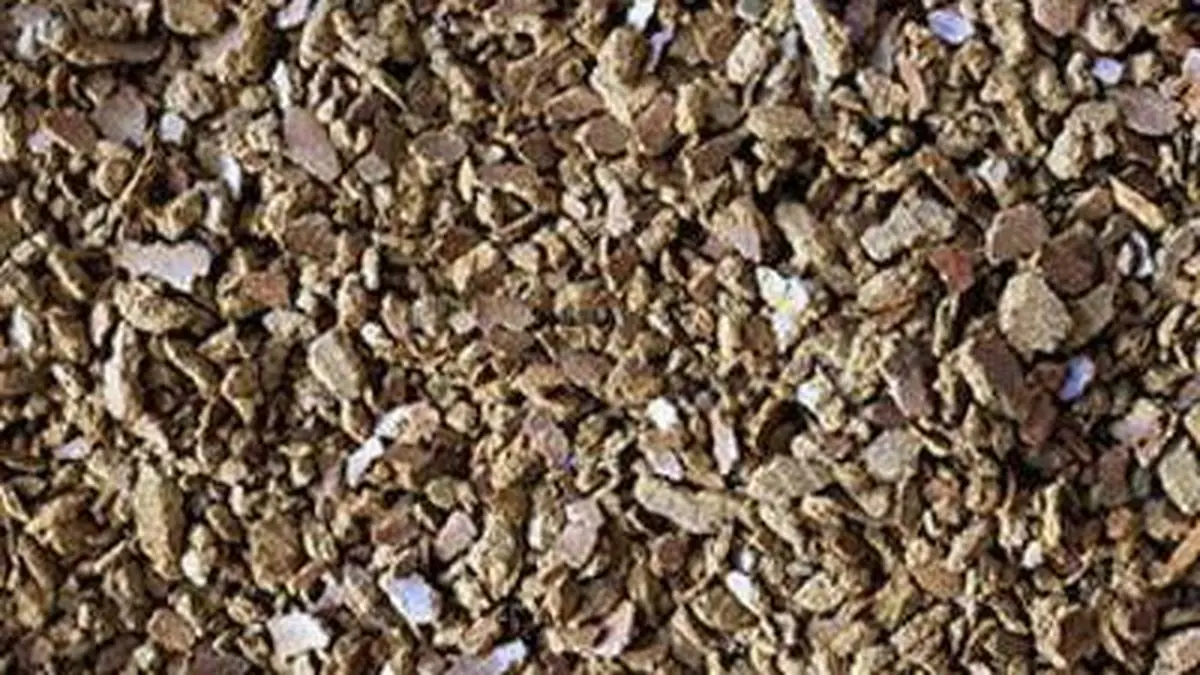
India's oilmeal exports have faced a significant downturn, declining by 13.22% from 43.42 lakh tonnes in 2024-25 to 37.68 lakh tonnes in 2025-26. This decline is attributed to severe disruptions in the Red Sea shipping routes and increased global competition.
Shipping Disruptions Impact
BV Mehta, Executive Director of the Solvent Extractors’ Association of India (SEA), highlighted the logistical challenges faced by exporters. Geopolitical conflicts have forced shipping companies to bypass the Red Sea, opting for longer routes around the Cape of Good Hope. This detour has added 10-15 days to shipping journeys, causing container shortages and inflating freight costs.
"Approximately 20% of India’s oilmeal exports to West Asia and 15% to Europe are highly vulnerable to these logistical delays and costs," said Mehta.
Competitive Pressures
Indian soybean meal exports remain uncompetitive due to price disparities with major producers like Argentina and Brazil. Domestic livestock feed makers are shifting towards cheaper alternatives, impacting soymeal demand. The domestic high price of soybeans and reduced crushing activity have further lowered shipping volumes.
Export Destinations
India's oilmeal exports to China reached 8.78 lakh tonnes in 2025-26, driven by price competitiveness for rapeseed meal and China's tariff on Canadian canola. South Korea emerged as the second-largest importer, with 3.50 lakh tonnes of oilmeals imported.
| Country | Oilmeal Exports (lt) |
|---|---|
| China | 8.78 |
| South Korea | 3.50 |
| Kenya | 1.87 |
| Germany | 1.78 |
| Nepal | 1.67 |
| France | 1.37 |
Price Fluctuations
The export price of soybean meal surged to $477 per tonne from $356 per tonne in March 2025, while rapeseed meal prices increased to $228 per tonne from $196. The depreciation of the Indian rupee by about 8% over the year provided some relief to exporters facing international competition.