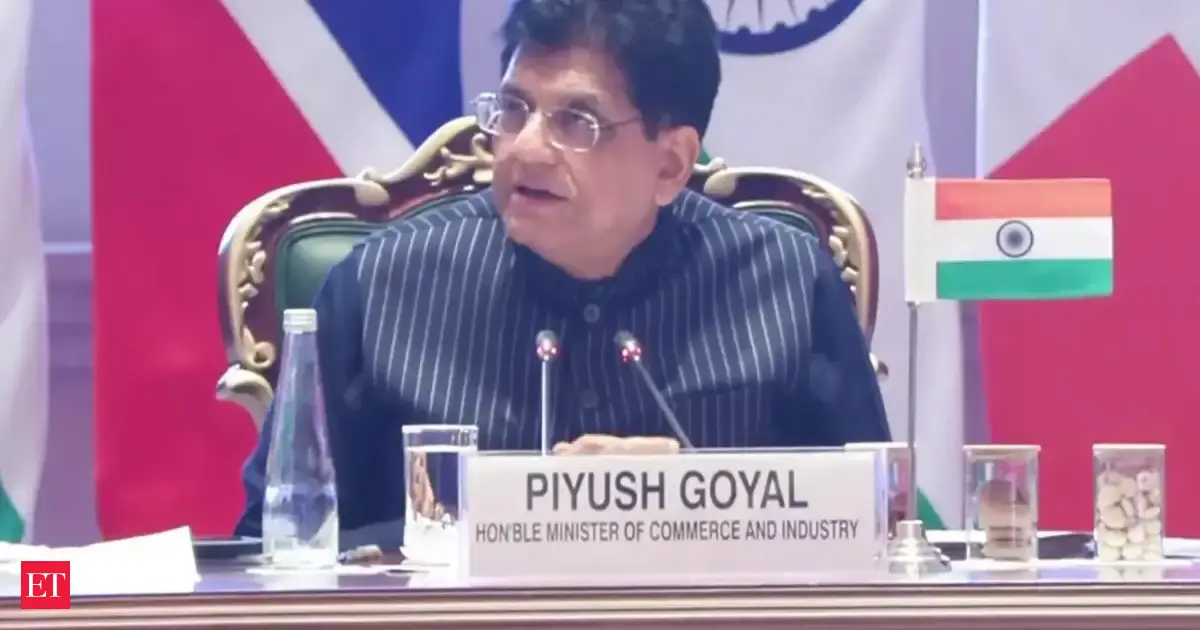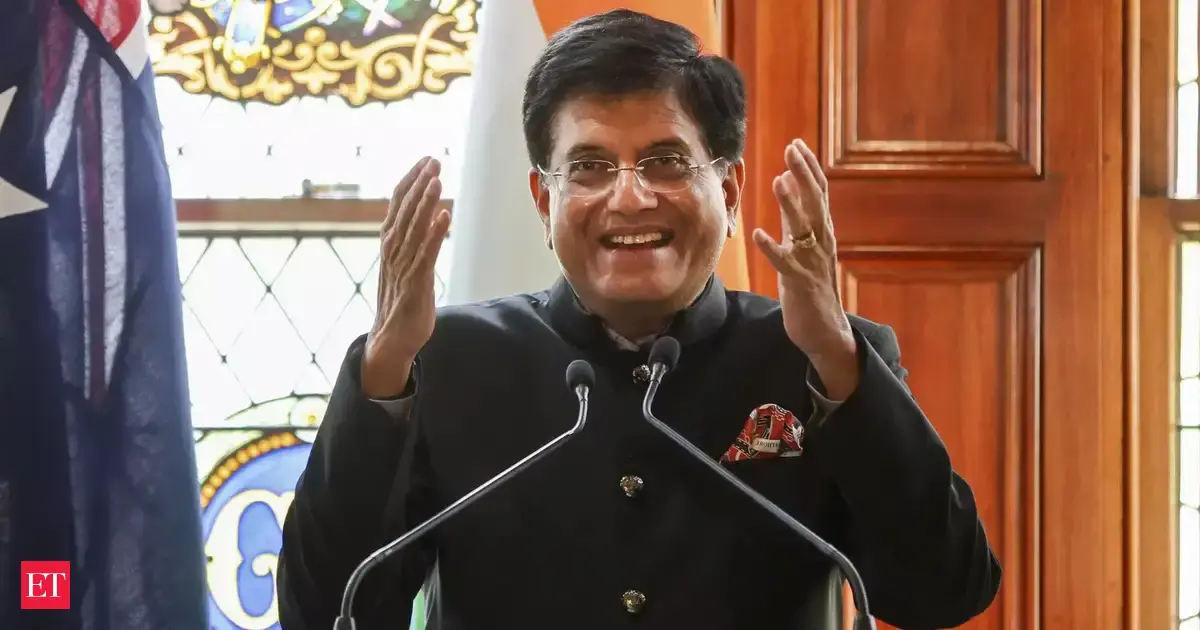
The India-UK Comprehensive Economic and Trade Agreement (CETA) and the concurrent Agreement on Social Security officially entered into force on July 15, 2026, establishing a new framework for bilateral commerce. Union Minister of Commerce and Industry Piyush Goyal announced the development on social media platform X, stating that the agreement delivers zero-duty market access for nearly 99% of India's exports and covers almost 100% of the total trade value.
"Today marks a defining milestone in India-UK ties," Goyal stated. "Under the dynamic leadership of Hon'ble PM @NarendraModi ji, the India-UK Comprehensive Economic and Trade Agreement (CETA) and the Agreement on Social Security, have come into force, delivering zero-duty market access for nearly 99% of India's exports, covering almost 100% of trade value."
Key Trade Provisions
According to details shared by Minister Piyush Goyal, the pact eliminates tariffs on labour-intensive sectors:
- Textiles and clothing
- Leather and footwear
- Gems and jewellery
- Engineering goods
- Chemicals and electronics
- Marine products
- Furniture and sports goods
For the agricultural sector, the agreement provides zero-duty access to all products, with specific exclusions for chicken, pork, eggs, rice, and sugar. It also grants duty-free entry to 97.1% of tariff lines for processed food products, offering Indian exporters an immediate edge in the UK's global agricultural import market, which exceeds USD 90 billion.
Sectoral Impact and Tariff Elimination
The agreement is expected to expand avenues for multiple domestic industries, including labor-intensive sectors, small businesses, and professional services. The following table summarises key tariff provisions:
| Sector | Tariff Change | Coverage |
|---|---|---|
| Labour-intensive exports (textiles, leather, gems, etc.) | Zero duty | Nearly 99% of India's exports |
| Agricultural products (except chicken, pork, eggs, rice, sugar) | Zero duty | All products |
| Processed food products | Duty-free | 97.1% of tariff lines |
| Overall trade | Zero duty on ~99% of exports | Almost 100% of trade value |
Social Security and Mobility
The accompanying Agreement on Social Security exempts temporary Indian workers and their employers from contributing to the UK's National Insurance Contribution for up to five years. This provision is projected to benefit over 75,000 professionals and 900 companies across the IT, financial, healthcare, education, telecommunication, and consultancy sectors.
Furthermore, the pact introduces dedicated annual mobility quotas for 1,800 Indian chefs, yoga instructors, and classical musicians, spanning 137 sub-sectors.
Regarding the workforce benefits, Piyush Goyal noted: "The Agreement on Social Security further strengthens this partnership by exempting Indian professionals on temporary assignments from double social security contributions for up to 5 years, enhancing the global competitiveness of our workforce."
Official Reactions
Minister Goyal expressed appreciation for his counterpart, UK Secretary of State for Business and Trade Peter Kyle, and both negotiating teams for their commitment to finalising the deal.
"I thank my friend and counterpart @PeterKyle, and both negotiating teams, for their commitment in bringing this transformational agreement to fruition. Together, we remain committed to building a resilient, innovation-driven partnership that will drive growth, investment and shared prosperity for generations to come."
The India-UK CETA and the Social Security Agreement represent a significant milestone in bilateral trade relations, providing Indian exporters with preferential market access and reducing compliance costs for professionals working temporarily in the UK. The zero-duty access for nearly all Indian exports is expected to boost trade volumes across key sectors, while the social security exemption enhances the competitiveness of Indian services professionals in the UK market.
Sources: