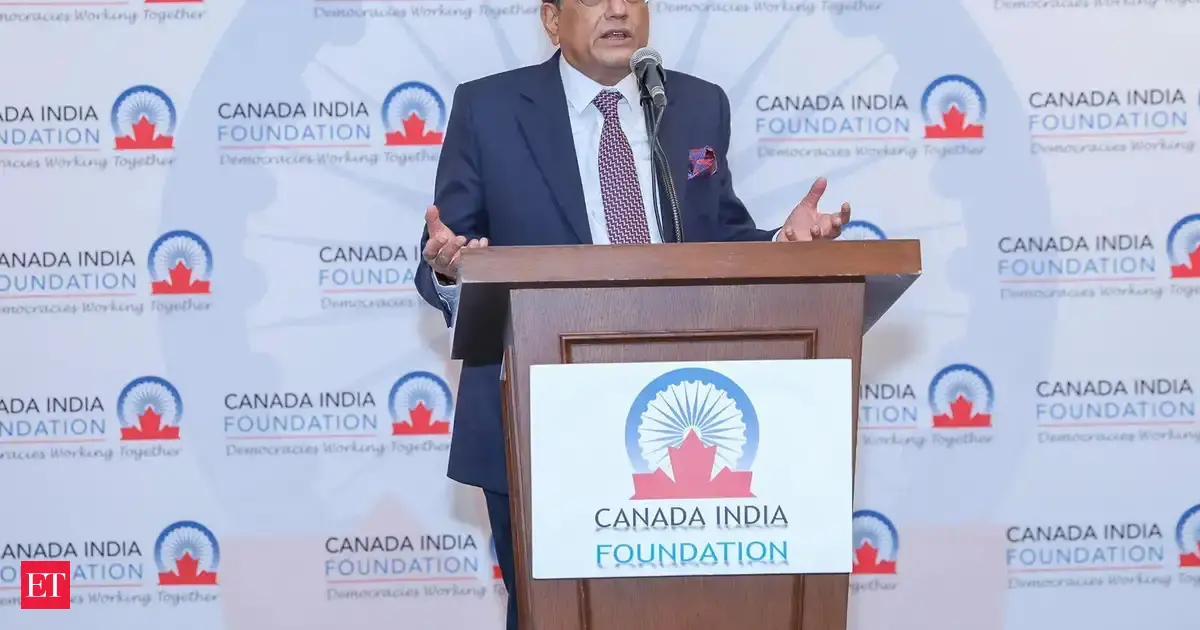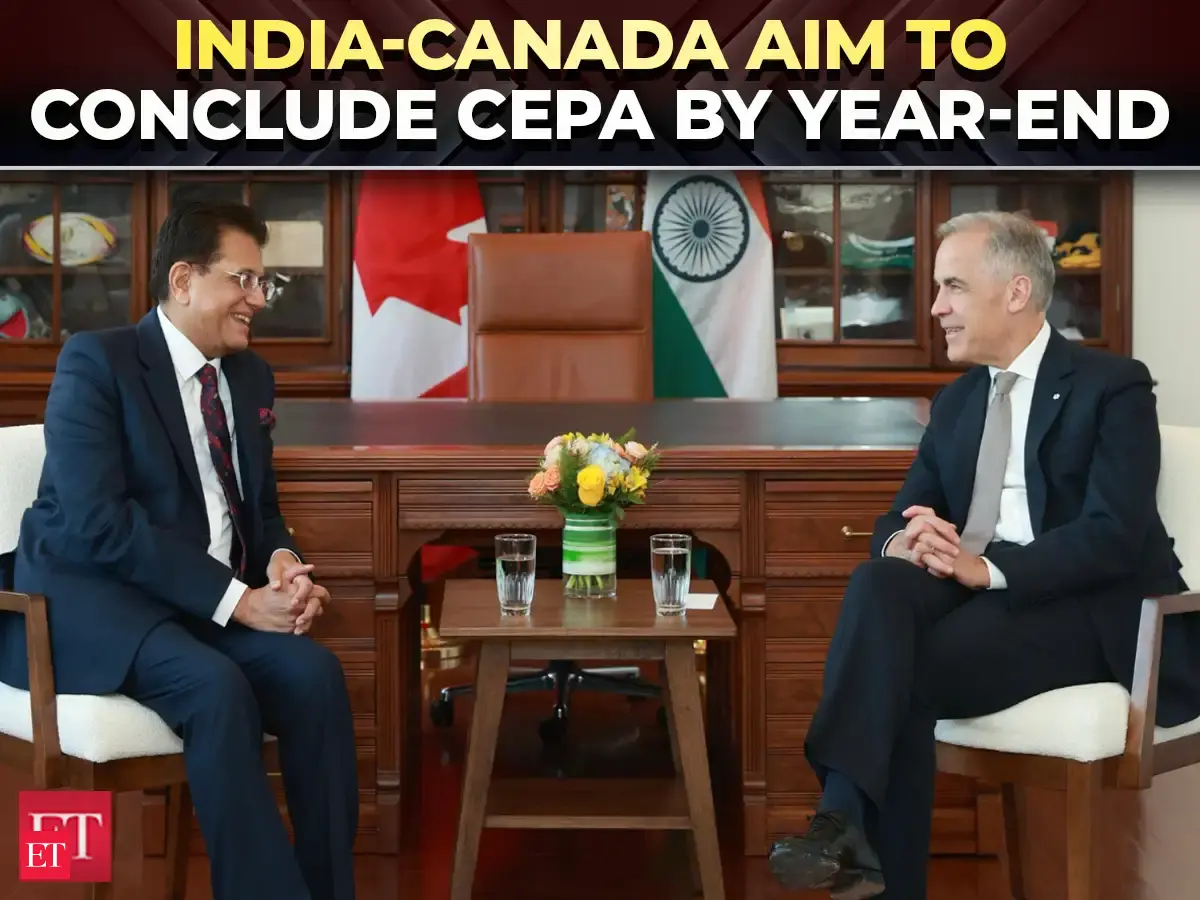
India and Canada are on a mission to finalize the Comprehensive Economic Partnership Agreement (CEPA) by the end of this year, with an ambitious target to increase bilateral trade to $50 billion by 2030. This announcement was made by Piyush Goyal, India's Minister of Commerce and Industry, during his visit to Ottawa.
Renewed Political Engagement
The recent visit of Canadian Prime Minister Mark Carney to India has reinvigorated the relationship between the two nations. Goyal emphasized the importance of this visit, stating, "It completely changed the way India and Canada looked at each other."
"Our PMs have tasked us with not only completing the free trade agreement with a comprehensive outlook before the end of this year or earlier but tripling our trade to $50 billion by 2030," Goyal added.
Bilateral Talks and Cooperation
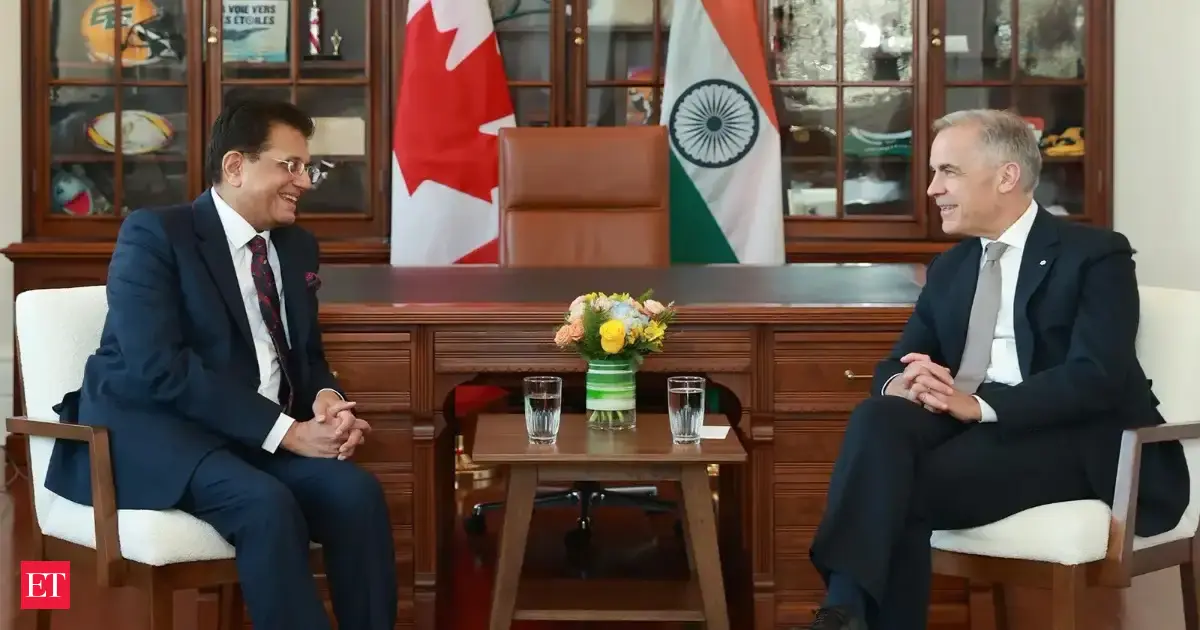
Goyal held discussions with Canada’s International Trade Minister Maninder Sidhu to advance CEPA negotiations. Both sides are working towards a "balanced, commercially meaningful and ambitious agreement."
Key Areas of Focus
- Energy Cooperation: India’s growing energy demand and Canada’s natural resource base present a strong area for partnership.
- Agriculture and Agri-Tech: Discussions with Canada’s Agriculture and Agri-Food Minister Heath MacDonald focused on food security and sustainability.
- Technology and Innovation: Potential collaborations in artificial intelligence and clean energy transitions were explored.
Indian Business Delegation
Goyal's visit included a large Indian business delegation, with representatives from 112 companies across sectors such as energy, mining, aerospace, and pharmaceuticals.
| Sector | Companies Involved |
|---|---|
| Energy | 20 |
| Mining | 15 |
| Aerospace | 10 |
| Pharmaceuticals | 12 |
The delegation aims to foster deeper business ties and explore new opportunities for collaboration.
Conclusion
The CEPA negotiations, formally relaunched earlier this year, mark a significant step in strengthening India-Canada trade relations. With both countries committed to a comprehensive agreement, the path to achieving the $50 billion trade target by 2030 appears promising.