In a strategic move to stabilize airfares and support the aviation sector, the Indian government has allocated Rs 10,000 crore to cap the prices of aviation turbine fuel (ATF). This decision, announced on June 1, 2026, aims to mitigate the impact of volatile fuel costs on Indian airlines, ensuring affordable air connectivity.
Government Initiative
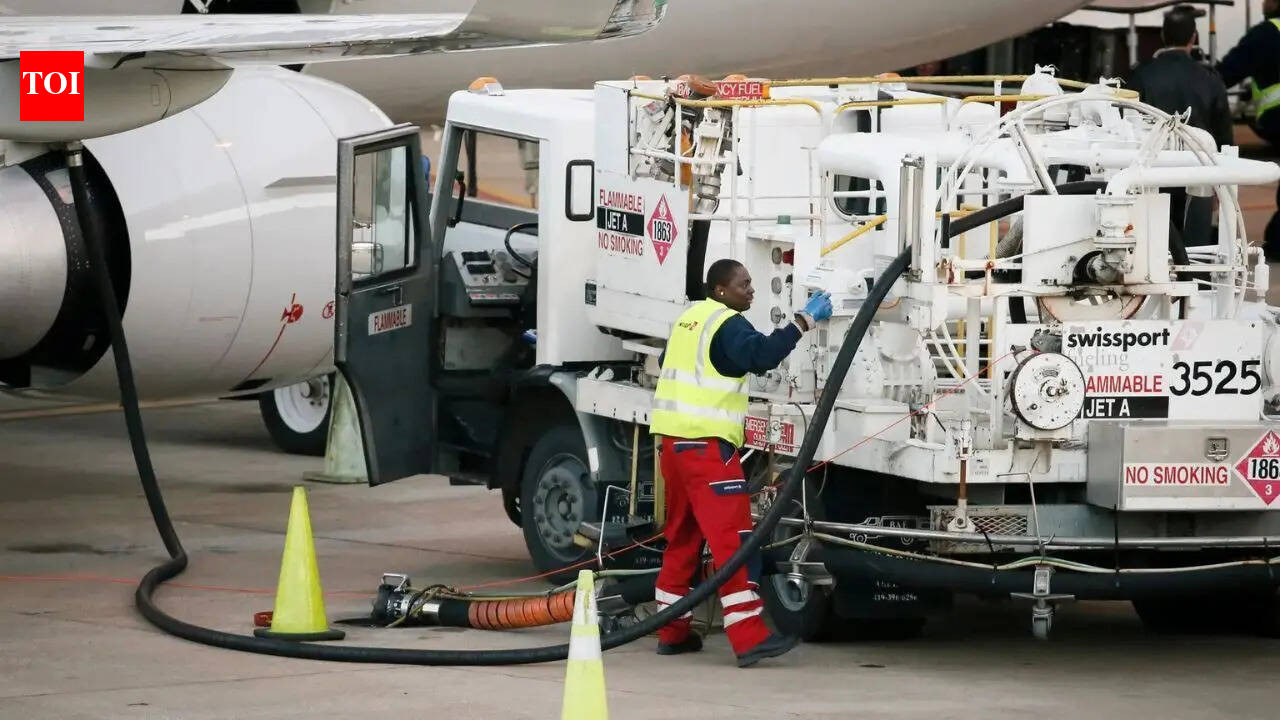
The Union Cabinet has approved a one-time budgetary support mechanism to provide interest-free advances to oil marketing companies (OMCs). This support will compensate OMCs for not passing on ATF price hikes to Indian carriers. The ATF price stabilization support will be in effect for 36 months, with potential extensions if necessary.
"Cabinet approval for a one-time support mechanism to ensure greater stability in ATF prices for Indian airlines will help maintain affordable air connectivity," stated PM Modi.
Impact on Airlines
The initiative is crucial as ATF constitutes nearly 40% of airline operating costs, potentially rising to 60% during extreme volatility. The government has capped the ATF price for domestic airlines at Rs 75.6 per litre, significantly below the current market price.
- Domestic Operations: Capped ATF prices
- International Operations: ATF purchased at import parity prices
Economic Implications
This policy aims to preserve both domestic and international air connectivity, supporting tourism and employment. Ashwini Vaishnaw, the I&B minister, emphasized the importance of stabilizing airline operating costs and reducing fare volatility.
| Aspect | Domestic Operations | International Operations |
|---|---|---|
| ATF Price | Capped at Rs 75.6 | Import parity prices |
| Operating Cost Impact | Stabilized | Exposed to volatility |
Industry Response
Indian carriers, including Air India and IndiGo, have been facing operational challenges due to high fuel costs. This government intervention is expected to alleviate some financial pressures, allowing airlines to maintain their flight schedules and workforce.
The policy reflects India's commitment to sustaining its aviation industry amidst global fuel price fluctuations, particularly those arising from the ongoing West Asia crisis.