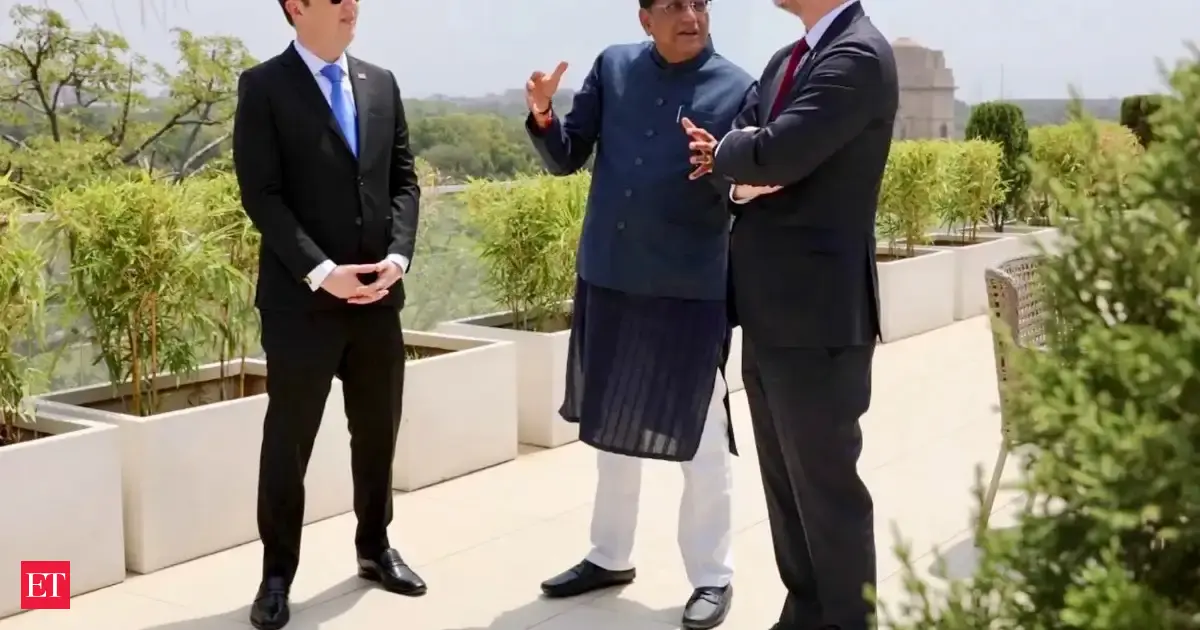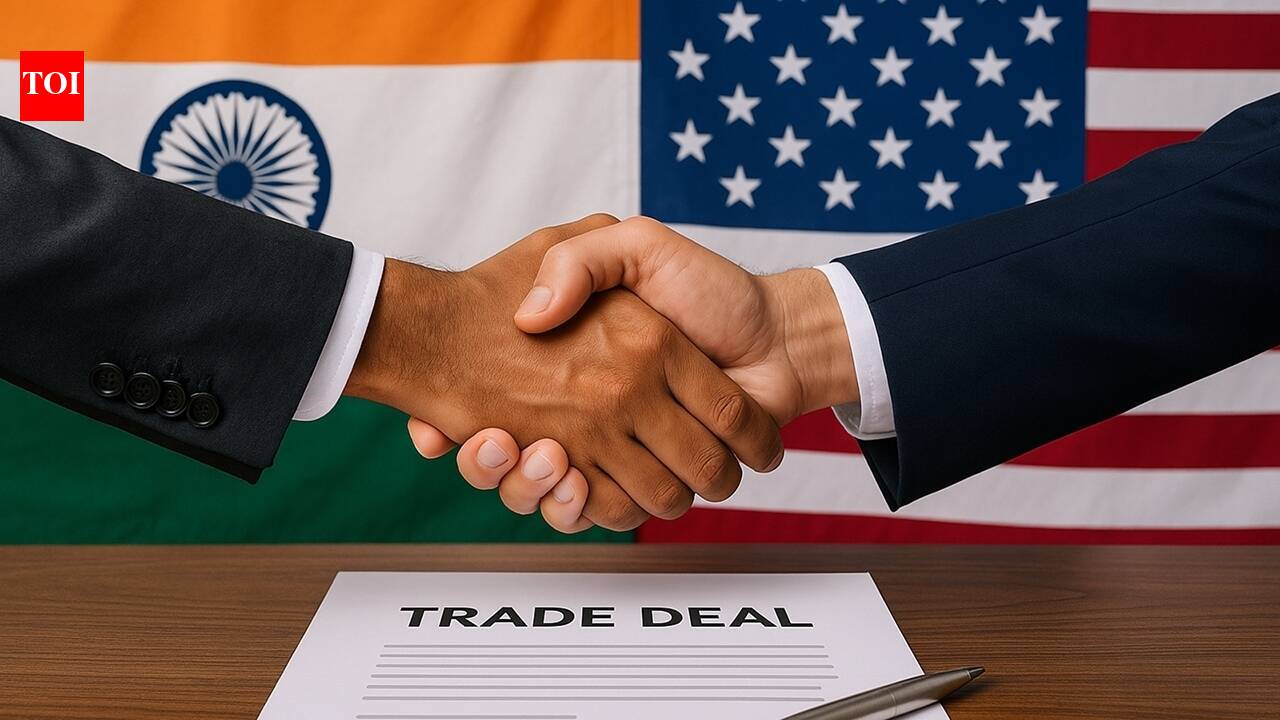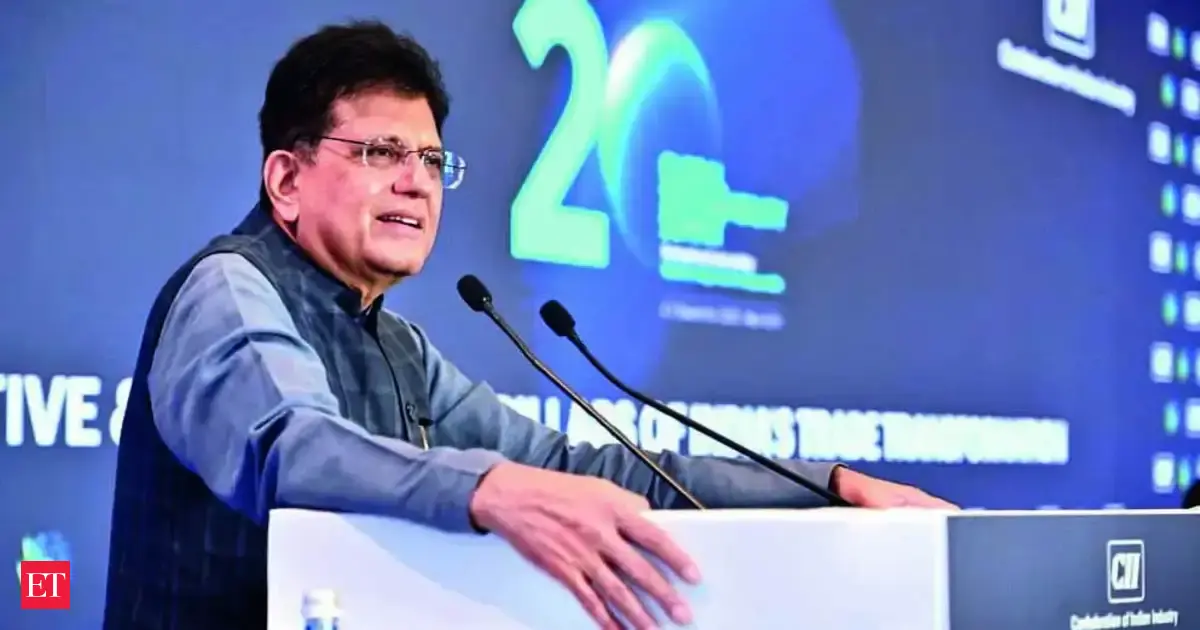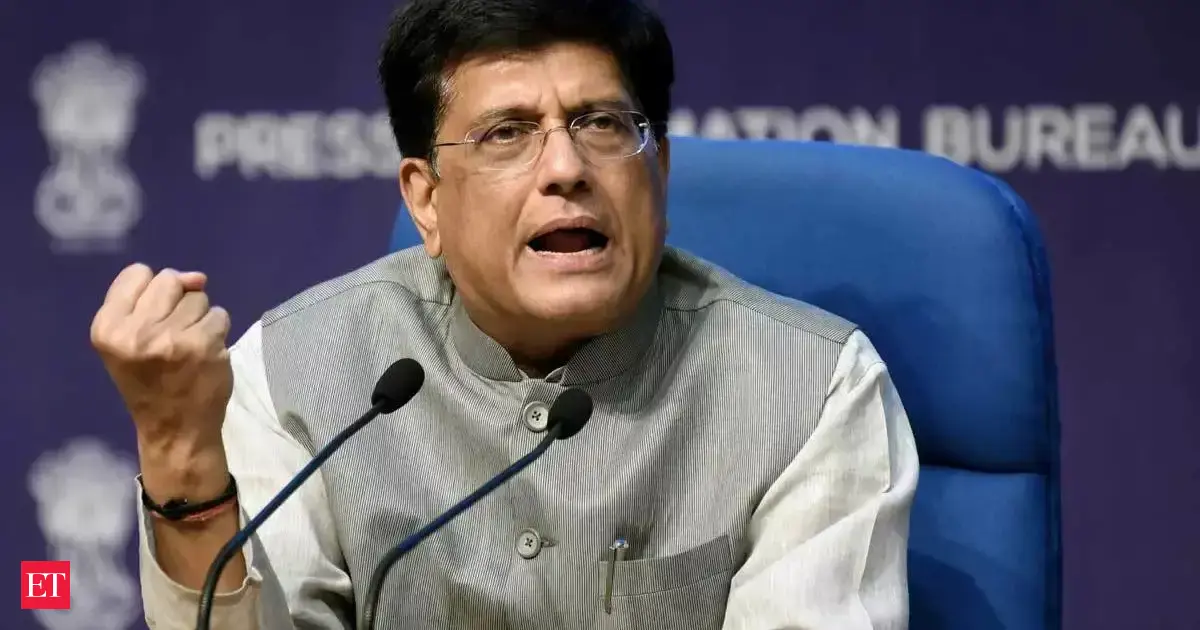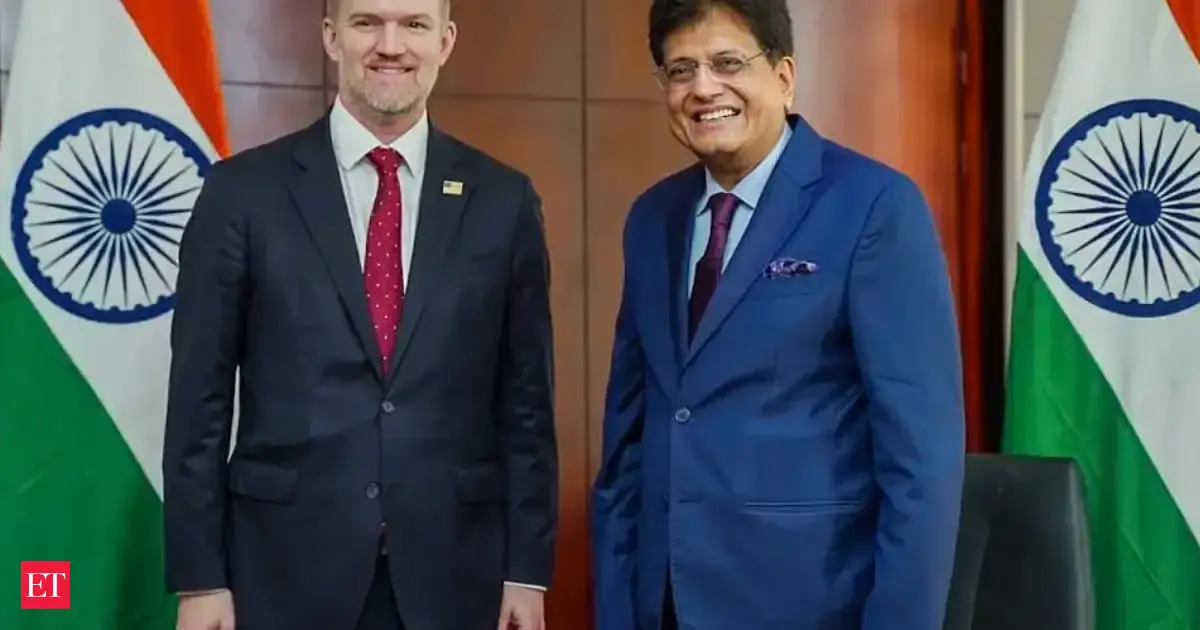
United States Trade Representative (USTR) Jamieson Greer is scheduled to land in Delhi on June 22 for high-level trade pact talks with India's Commerce and Industry Minister Piyush Goyal, according to an official announcement. The negotiations follow a joint statement issued on February 7, in which both sides agreed on a framework for an interim agreement on reciprocal and mutually beneficial trade.
Bilateral Trade Negotiations
A senior Indian official stated that the expectation is that discussions will be centred around giving final touches to the interim framework deal and the larger bilateral trade agreement (BTA). The official was quoted as saying: "Our expectation is that discussions will be centred around giving final touches to the framework deal, which has been discussed during the visit of their (US) delegation... and also on the larger BTA that has also been under discussions between the two sides."
From June 2-4, an American team led by its chief negotiator Brendan Lynch held discussions with Indian officials on finalisation of the deal. The upcoming Greer-Goyal meeting marks the next step in progressing the bilateral trade agenda.
Section 301 Tariff Threats
The talks come in the wake of the US trade representative proposing an additional 12.5% duty on 54 countries, including India, over alleged failure to restrict imports of goods produced with forced labour in third countries. The US has proposed new tariffs on most Indian goods under Section 301 of the US Trade Act of 1974, concerning forced labour, and is conducting another probe into excess industrial capacity.
India had been preparing for the possibility that the US would use Section 301 as a basis for imposing additional tariffs, officials have said. The Indian official, Agrawal, stated: "These are legal probes... We have made our submissions last month and are engaged for further proceedings. We will have clear answers on 301."
Relief and Reciprocal Tariffs
A key focus of the negotiations will be securing relief on the Section 301 probes and ensuring India pays lower tariffs than competitors. One official earlier said the deal could be firmed up if "we get the terms fair, equitable, and balanced."
Under the interim framework agreed on February 7, the US removed a 25% penal tariff imposed on India for buying Russian oil and agreed to cut reciprocal tariffs to 18% from 25%. The following table summarises the tariff adjustments:
| Tariff Type | Previous Rate | New Rate | Effective Date |
|---|---|---|---|
| US penal tariff on India (Russian oil) | 25% | 0% (removed) | February 7, 2026 |
| US reciprocal tariff on India | 25% | 18% | February 7, 2026 |
As the US Supreme Court has ruled against President Donald Trump's sweeping tariffs, the US administration now has the option of using the Section 301 investigation mechanism to impose new tariffs. People familiar with the matter earlier said that the US could use this mechanism as a pressure tactic to bring its trading partners to the negotiating table.
The Greer-Goyal talks will be closely watched by importers, exporters, and trade policy professionals on both sides. A successful outcome could de-escalate tariff tensions and provide a more predictable trade environment for businesses engaged in US-India commerce. The framework reaffirmed both countries' commitment to broader India-US BTA negotiations, signalling long-term strategic alignment.
Sources: