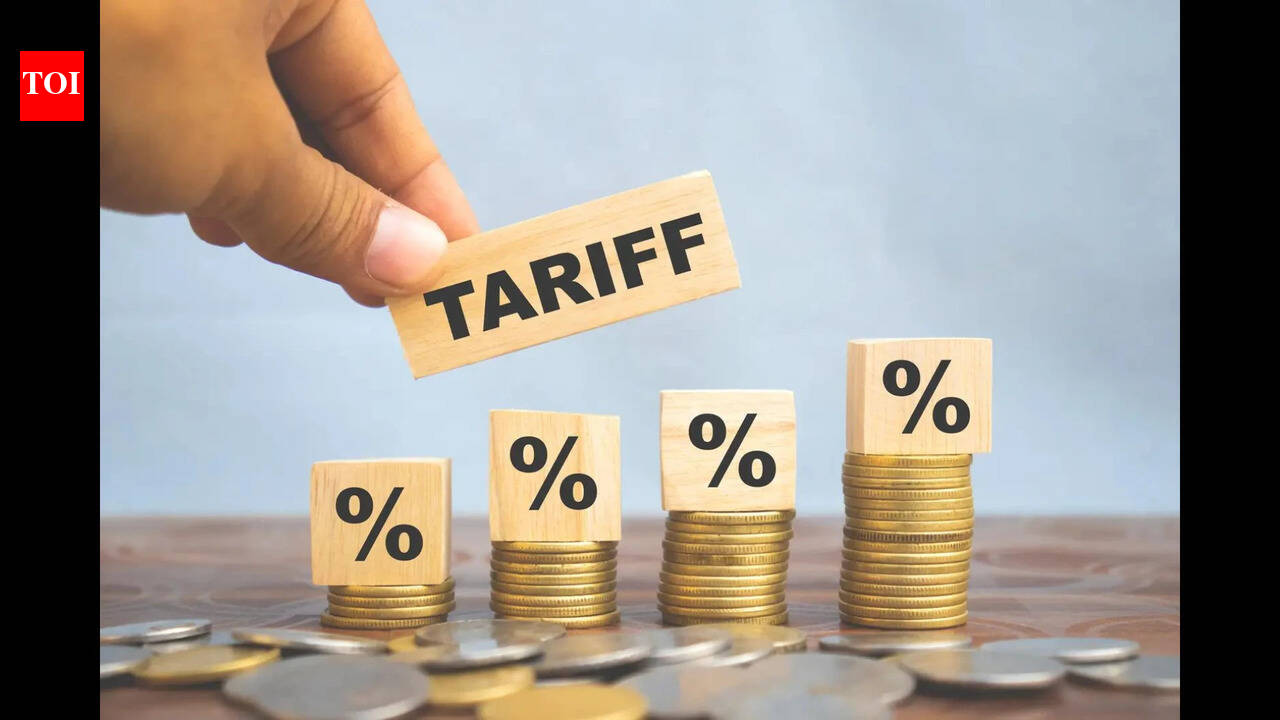
Leading American corporations have cautioned the United States Trade Representative (USTR) that its plan to impose additional tariffs of up to 12.5% on 60 countries, including India, will raise costs for consumers and businesses, with many seeking product-specific exemptions, according to a report by Business-Today.
Intel warns of higher manufacturing costs
Intel argued in its submission that the practical effect of the tariff would be to make it more expensive to build in America than to build elsewhere, which it said "runs directly counter to the administration's goal of expanding domestic manufacturing." The semiconductor giant's warning highlights the potential for tariff policy to backfire on the White House's industrial strategy.
Dell cautions against operational risks
Dell Technologies emphasized the need to achieve the administration's goals without rapidly increasing production and end-user costs or risking operational delays of key products and components. "Dell wants to express the importance of leveraging policy tools that achieve the administration's laudable goals without rapidly increasing production and end-user costs or risking operational delays of key products and components," the company stated.
Honeywell Aerospace: tariff would raise costs, not boost supply
Honeywell Aerospace pointed to its reliance on imports for critical minerals, rare earths, scarce metals, and metal-containing aerospace inputs, as well as "other hard-to-source components" including electronics, chips, displays, and specialized commercial components. The company said that a tariff "would primarily increase the cost of maintaining and producing aerospace products rather than accelerate a feasible sourcing transition."
De Beers: diamond duties would cost consumers
De Beers warned that additional duties on natural diamonds would function primarily as a cost increase for US manufacturers, retailers, and consumers rather than encouraging domestic upstream substitution. The diamond giant underscored the US dependence on imports for natural diamonds.
Ford backs Section 232 exemptions
Ford supported exemptions for the four product categories already facing up to 50% tariff under Section 232. The automaker argued that additional Section 301 tariffs would impose "excessive and overly burdensome costs on US auto manufacturing without contributing substantially to the elimination of practices related to forced labour."
Other companies voice concerns
IBM, Dow Chemicals Thailand, and GE Appliances (now a Haier company) also argued against the tariff move. Their submissions echoed the theme that the proposed duties would hurt US competitiveness and raise input costs across multiple industries.
| Company | Key Concern |
|---|---|
| Intel | Tariff makes building in US more expensive than abroad, counters manufacturing goals |
| Dell Technologies | Risk of increasing costs and causing operational delays for key products |
| Honeywell Aerospace | Tariff raises cost of aerospace maintenance/production without enabling domestic sourcing |
| De Beers | Duties on natural diamonds increase costs for US manufacturers, retailers, consumers |
| Ford | Additional Section 301 tariffs overly burden auto manufacturing without addressing forced labour |
For importers, exporters, and trade policy professionals, the broad-based opposition signals that the proposed tariff faces significant headwinds. Companies are seeking exemptions for specific products, and the USTR will need to weigh the administration's trade enforcement objectives against the potential damage to domestic manufacturing. The outcome will affect supply chains and cost structures for industries ranging from semiconductors to aerospace and automotive.
Sources: