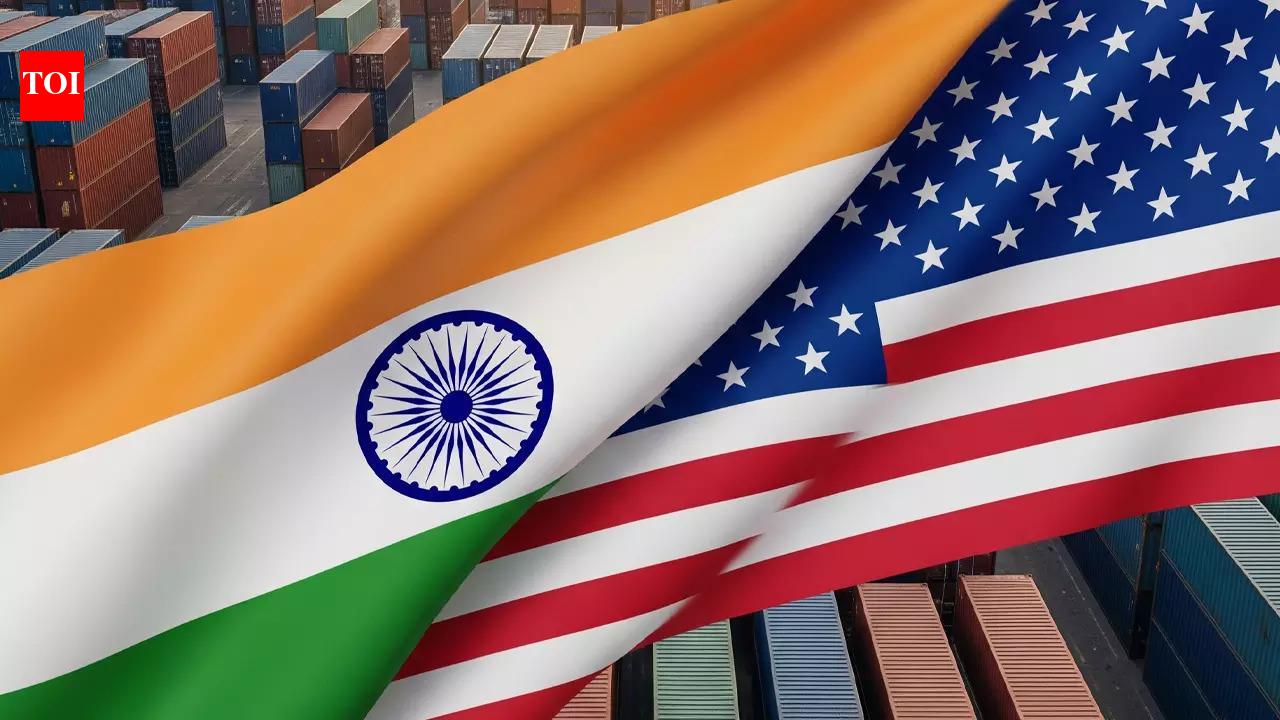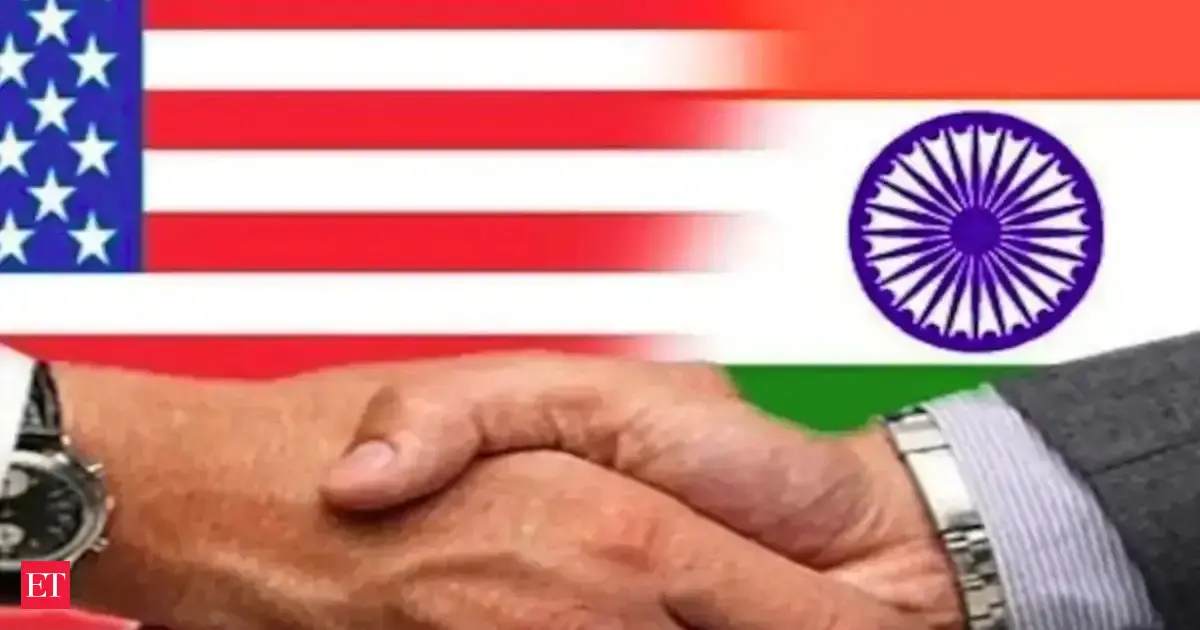
India and the United States are set to commence a four-day series of trade negotiations on June 1, 2026, in New Delhi. Brendan Lynch, the US chief negotiator, and Darpan Jain, India's chief negotiator, will lead the discussions. These talks aim to finalize the details of an interim agreement under the proposed Bilateral Trade Agreement (BTA).
Key Focus Areas
The negotiations will cover several critical areas:
- Market access
- Non-tariff barriers
- Customs and trade facilitation
- Investment promotion
- Economic security cooperation
The talks are expected to translate the framework agreed upon on February 7 into a legally binding agreement. This framework laid the groundwork for the first phase of the BTA.
Tariff Adjustments
India has proposed eliminating or reducing tariffs on various US industrial and agricultural products, including dried distillers' grains, red sorghum, tree nuts, fresh and processed fruits, soybean oil, wine, and spirits. Additionally, India has expressed willingness to purchase up to USD 500 billion worth of US goods over five years, including energy products, aircraft, technology products, and precious metals.
"The uniform 10% tariff imposed by Washington has narrowed the relative tariff advantage India previously enjoyed," trade experts noted, highlighting the need for recalibration of the proposed pact.
Background and Context
The negotiations follow a series of discussions that resumed in April after a postponement in February. The current talks will build on these discussions and may revisit elements of the original framework due to changes in the tariff environment.
Section 301 Investigations
The talks occur amidst two Section 301 investigations launched by the US Trade Representative (USTR) in March against several countries, including India. These investigations concern alleged excess industrial capacity and failures to address forced labor issues in global supply chains. India has contested these allegations, urging the US to withdraw the investigations.
| Product Category | Proposed Tariff Changes |
|---|---|
| Industrial Goods | Tariff elimination/reduction |
| Agricultural Goods | Tariff elimination/reduction |
The US remains India's second-largest trading partner, underscoring the significance of these negotiations in strengthening bilateral trade relations.