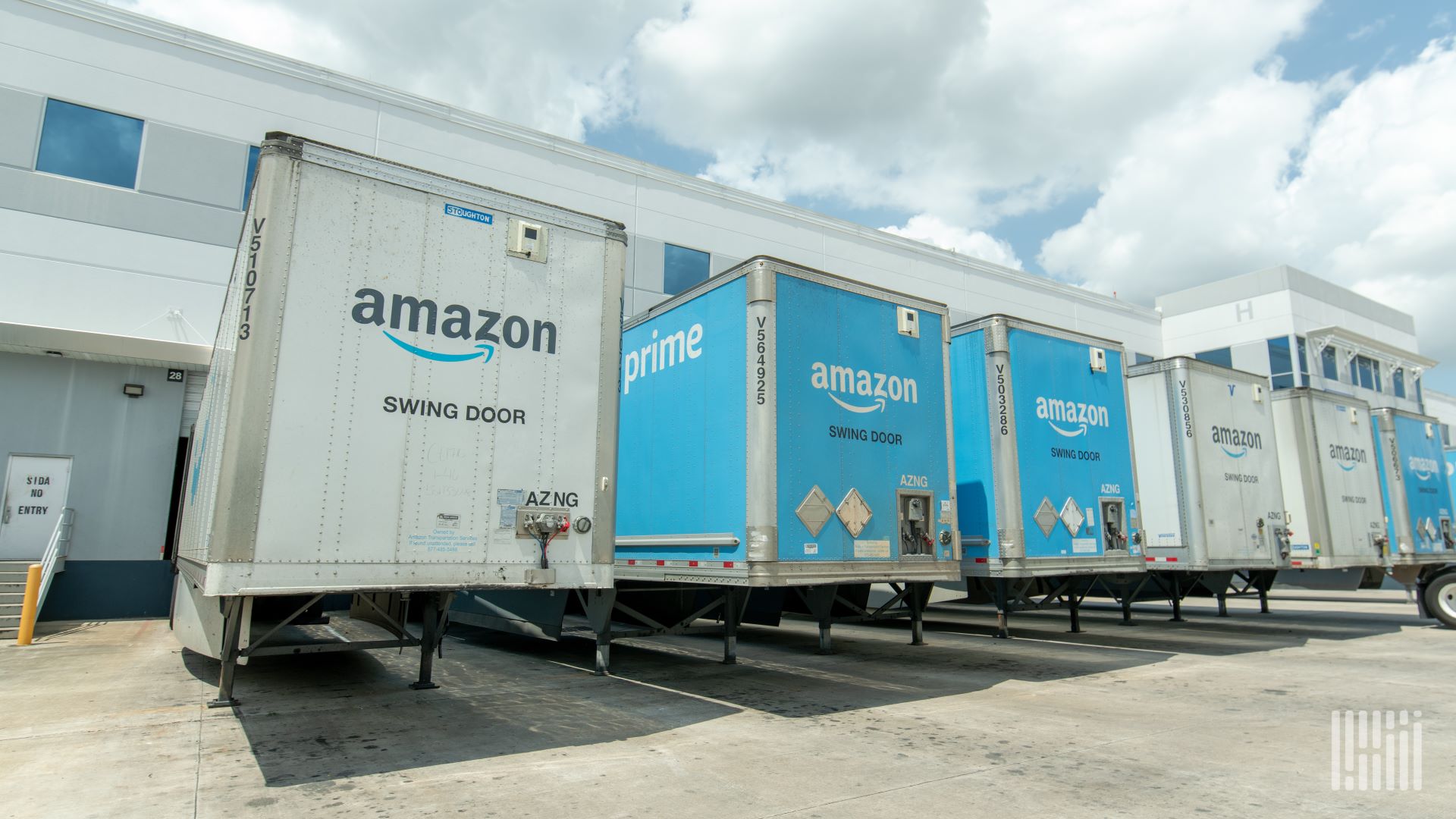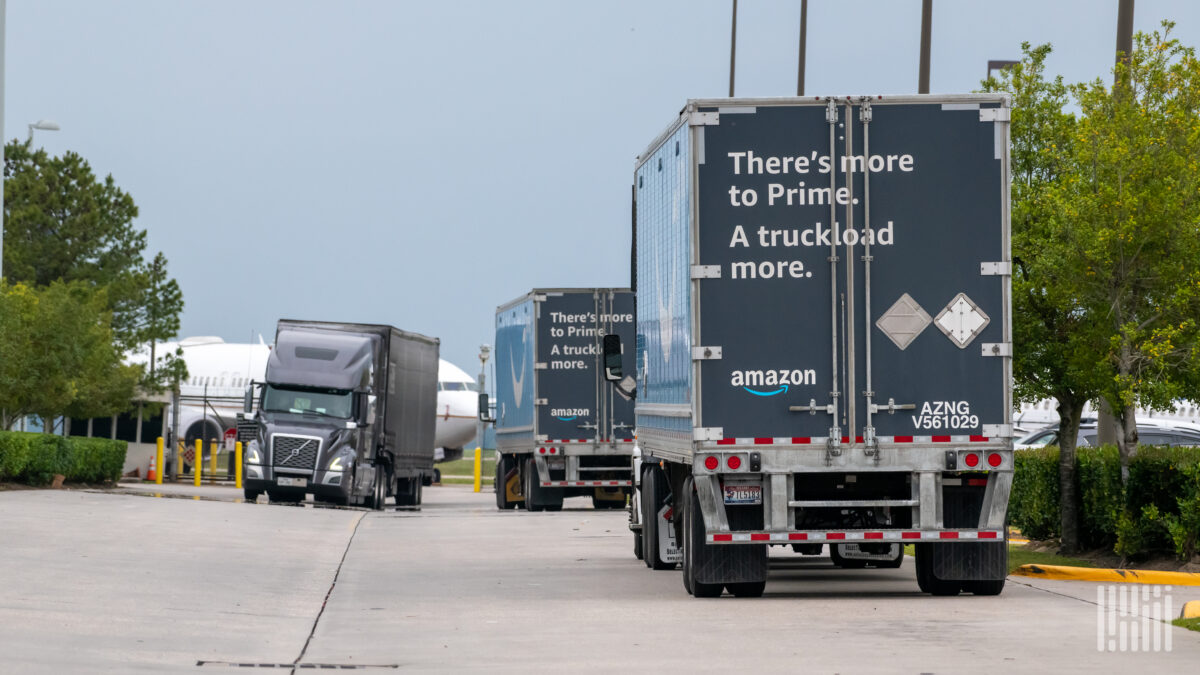
Amazon's announcement of its full entry into the less-than-truckload (LTL) market is not expected to significantly disrupt existing carriers, according to analysts. Amazon has been providing inbound LTL services in the U.S. for over a year, and its expanded service includes an asset-light model at approximately 30 terminals across its package-delivery network.
Context and Market Reaction
The announcement led to a modest 5% drop in shares of publicly traded LTL carriers, a small move considering the sector's 60% year-to-date rise. Richa Harnain, an equity research analyst at Deutsche Bank, noted that Amazon's LTL service resembles broker offerings and lacks the scale to become a formidable nationwide operator.
Impact on Trade Lanes and Services
Amazon's LTL service targets businesses of all sizes, with shipment sizes ranging from one to six pallets. The service offers next-day live pickup and same-day pickup through drop-trailer service. However, the company's current LTL footprint is unlikely to challenge traditional incumbents, which specialize in transporting heavy pallets with stringent service requirements.
Shipper and Operator Implications
Jason Seidl from TD Cowen suggested that Amazon's use of an intermodal container pool indicates competition primarily in the economy sub-segment of the LTL market. While Amazon could capture some market share on the margins, it is unlikely to drive a mass exodus from legacy carriers.
Watch List
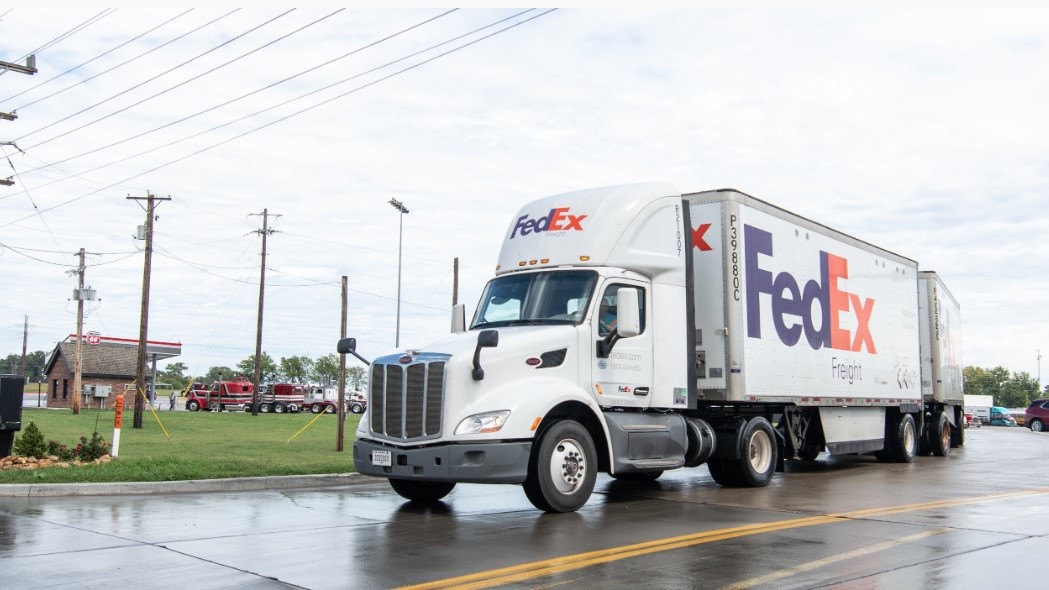
- FedEx Freight recently spun off from FedEx Corp., enhancing its LTL capabilities with over 500 dedicated sales reps.
- Walmart upgraded its LTL truck consolidation program, allowing shippers to combine shipments into full truckloads.
- Knight-Swift Transportation expanded its LTL footprint through acquisitions and organic growth.
- TFI International plans to establish a pure-play LTL entity, though these plans are currently delayed.
The LTL market remains consolidated, with high barriers to entry due to the significant capital required for a national network of cross-dock terminals and a large fleet. Despite Amazon's potential to leverage its extensive logistics network, the established service-centric networks of traditional carriers present a formidable challenge.
Sources: