iGEN
Visit IGEN World Explore IGEN Expo
EXPLORE UPGRADE PLANS
BREAKING
Home ›› Logistics ›› Rail Road ›› C.H. Robinson Tightens Carrier Safety Compliance Post-Court Ruling

C.H. Robinson Tightens Carrier Safety Compliance Post-Court Ruling

C.H. Robinson is enforcing stricter safety compliance for carriers, influenced by a recent Supreme Court ruling. This change affects carrier eligibility and booking capabilities.

iG
iGEN Editorial
May 30, 2026
C.H. Robinson Tightens Carrier Safety Compliance Post-Court Ruling

C.H. Robinson has implemented stricter safety compliance measures for carriers, directly impacting their eligibility to book loads. This move follows a recent Supreme Court decision that has significant implications for freight brokers.

Supreme Court Ruling Impact

On May 14, 2026, the Supreme Court ruled in Montgomery v. Caribe Transport II, LLC that state-law negligent hiring claims against freight brokers are not preempted by the Federal Aviation Administration Authorization Act. This ruling has heightened the legal accountability of brokers like C.H. Robinson in their carrier selection processes.

Affected Trade Lanes and Operations

The ruling primarily impacts road freight operations across the United States. Carriers with subpar FMCSA safety scores are now at risk of losing access to booking platforms like Navisphere Carrier. This affects their ability to secure new freight, although existing loads will continue to be processed.

Implications for Shippers and Operators

Shippers and logistics operators need to reassess their carrier partnerships, ensuring compliance with enhanced safety standards. C.H. Robinson's decision underscores the importance of maintaining high safety scores to avoid operational disruptions.

"The legal landscape for freight brokers has shifted, necessitating a reevaluation of carrier risk assessments," noted industry analysts.

Watch List

  • FMCSA safety score updates
  • Potential changes in carrier eligibility criteria by other brokers
  • Further legal developments affecting freight brokerage
Entity Impact Description
C.H. Robinson Carrier Eligibility Stricter safety compliance measures
Supreme Court Legal Ruling Affects negligent hiring claims
FMCSA Safety Scores Basis for carrier eligibility

Keep Reading

Recommended Stories

Truck Capacity Tightens as Shippers Pay More for Less Freight Logistics

Truck Capacity Tightens as Shippers Pay More for Less Freight

Shippers moved less freight in Q2 2026 but paid sharply more, as truck capacity tightened and spot rates converged with contract rates, according to the U.S. Bank Freight Payment Index. The National Shipment Index fell 1.1% sequentially while spending rose 6.4%, and fuel costs were not the primary driver.

August 4, 2026
Truckload carriers eye multiyear rate upcycle as capacity tightens Logistics

Truckload carriers eye multiyear rate upcycle as capacity tightens

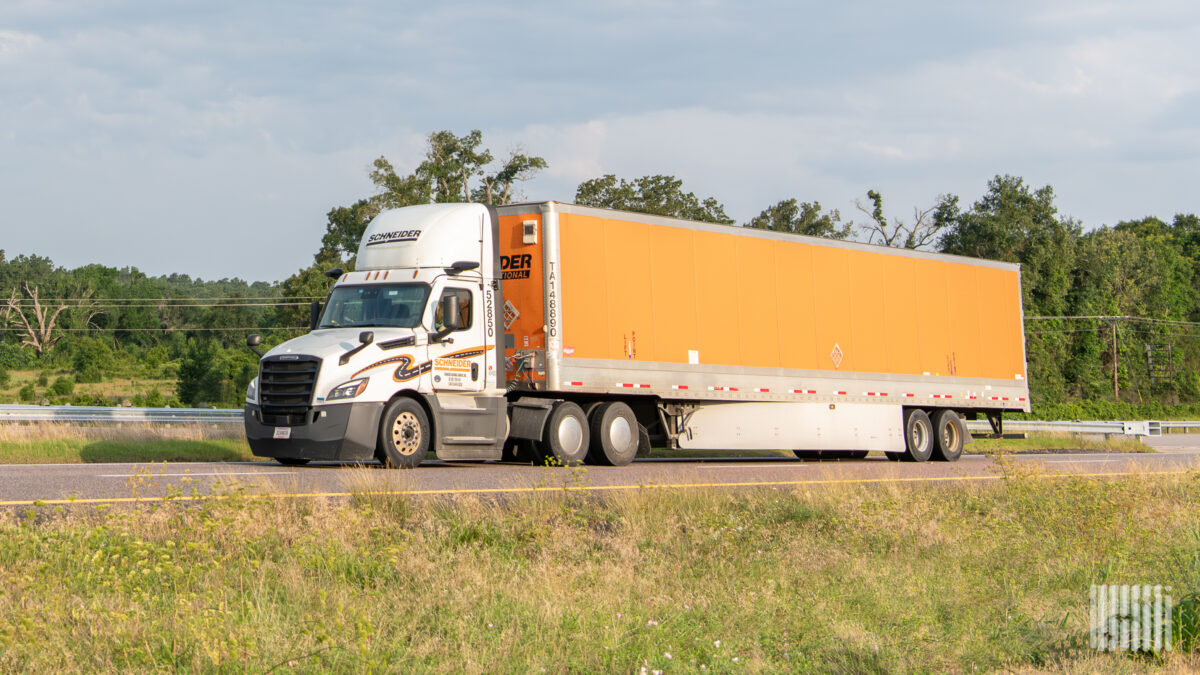
The truckload market is entering a multiyear rate upcycle as capacity constraints tighten due to regulatory enforcement and cost inflation. Carriers like J.B. Hunt, Schneider National, and Werner Enterprises report accelerating contract renewals and double-digit rate hikes, while routing guides crumble and spot rates surge. Shippers face urgent need to secure sustainable carrier partnerships to mitigate rising costs.

June 12, 2026
Shared Truckload Cuts Costs 30-40% as 2026 Truckload Rates Rise, Flock Freight CEO Says Logistics

Shared Truckload Cuts Costs 30-40% as 2026 Truckload Rates Rise, Flock Freight CEO Says

According to FreightWaves, rising 2026 truckload rates are pushing shippers toward shared truckload, which Flock Freight CEO Pat Dillon says can cut costs 30-40% versus full truckload. The model combines two shippers' loads on one trailer, targets 10-40 linear feet, and pays carriers more per combined load.

August 18, 2026
Trucking Market Enters Multi-Year Recovery as 20–25% of Capacity Exits Logistics

Trucking Market Enters Multi-Year Recovery as 20–25% of Capacity Exits

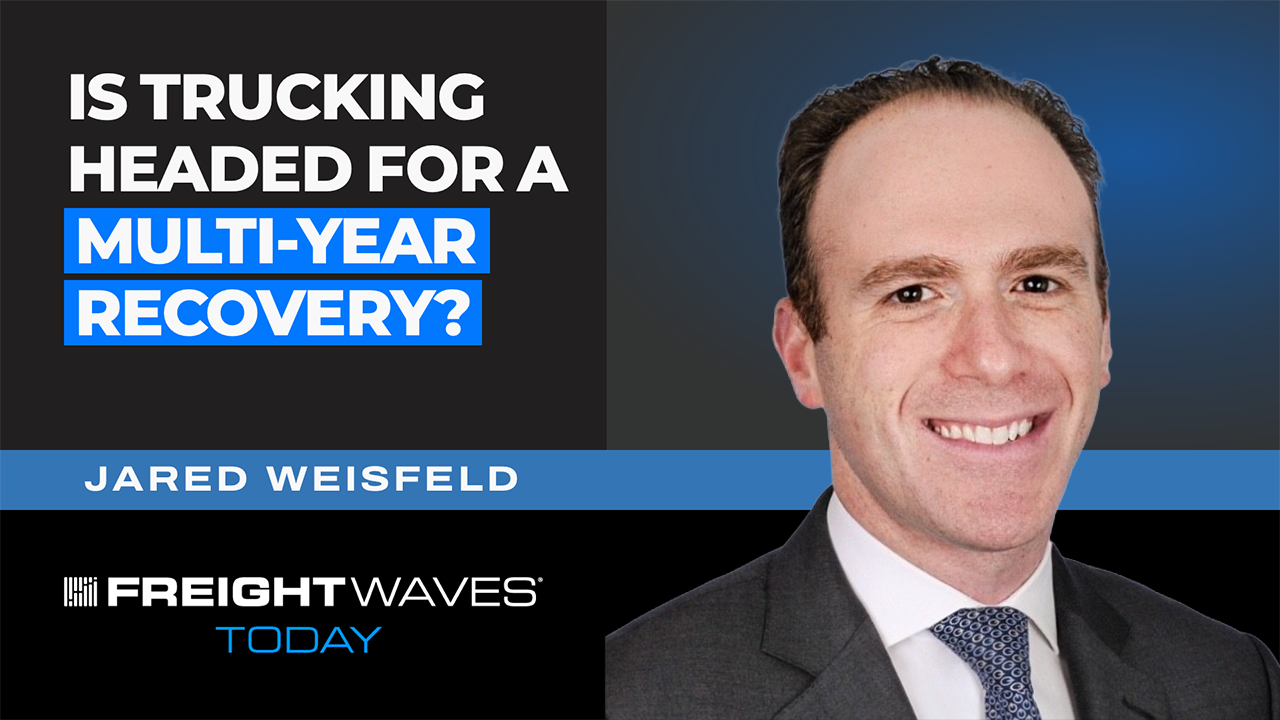
According to a FreightWaves interview, RXO Chief Strategy Officer Jared Weisfeld says 20-25% of for-hire truckload capacity is likely to exit amid government enforcement and rising costs, signaling a multi-year recovery. Spot rates are already up 30-50% year over year, tender rejections remain at multi-year highs, and shippers are consolidating freight with fewer brokers. Weisfeld advises locking in capacity partnerships now as the market tightens through September.

August 18, 2026