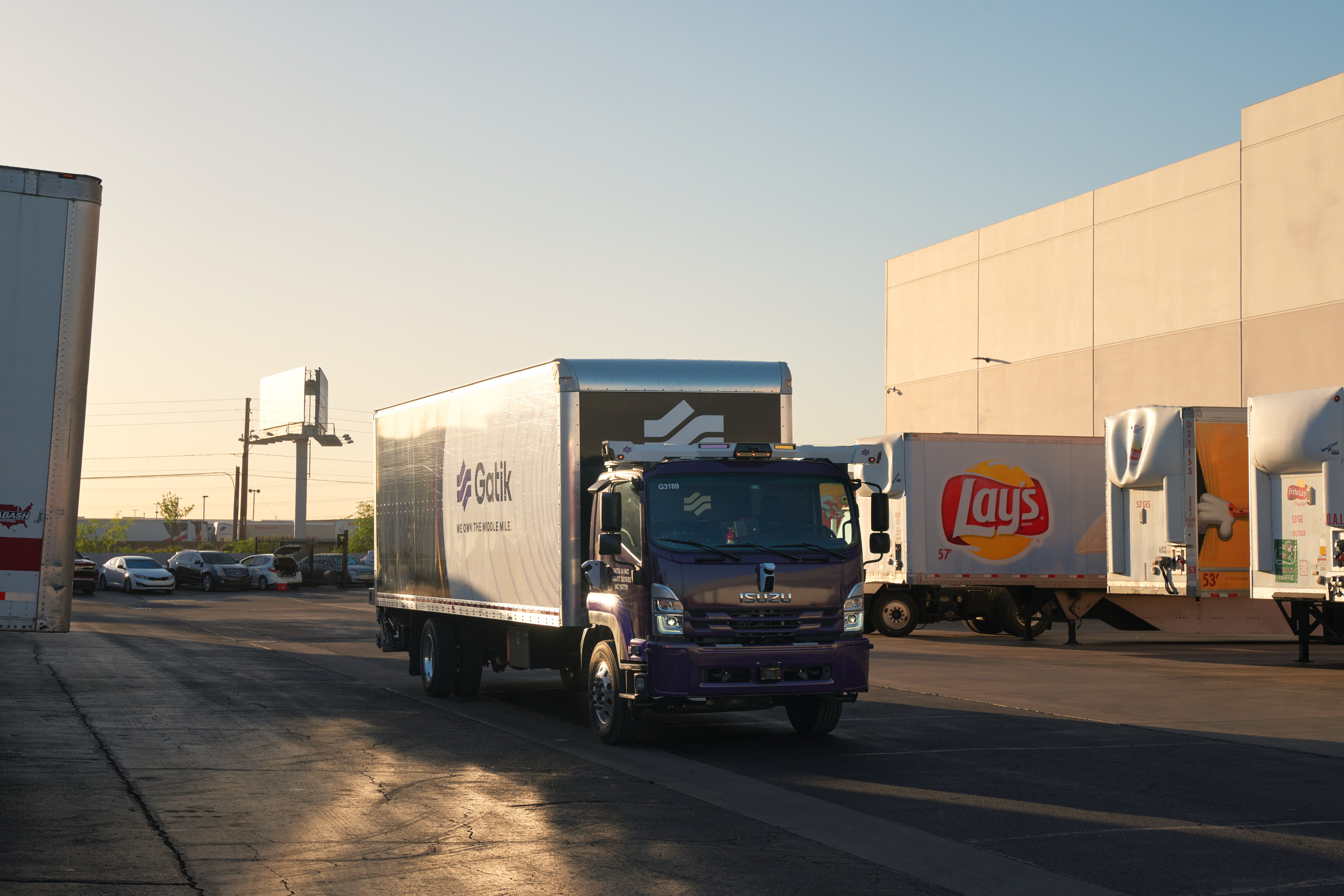
AVI-SPL has begun commercial autonomous freight operations between Dallas and Houston, using Volvo VNL Autonomous trucks powered by the Aurora Driver, according to FreightWaves. The service targets time-sensitive, high-value shipments at a time when freight demand is rising and carriers continue to face qualified driver shortages and capacity constraints.
Operational Details
The autonomous trucks are moving audio-visual electronics, including a mix of new products and end-of-life equipment from which AVI-SPL recovers precious metals as part of its electronic recycling program. The route connects Dallas and Houston, two major logistics hubs in Texas. The corridor is approximately 240 miles, a key lane for regional freight movement.
Technology and Fleet
Volvo Autonomous Solutions provides the complete end-to-end system, including the purpose-built Volvo VNL Autonomous vehicle, the Aurora Driver virtual driver, required infrastructure, operations and uptime support, and a fleet management system that orchestrates transport operations and manages logistics flows. The Aurora Driver is a full-stack autonomous driving system developed by Aurora Innovation.
Executive Perspectives
Sasko Cuklev, head of on-road solutions at Volvo Autonomous Solutions, stated: "This collaboration shows how autonomous transport can help reduce transit times, improve service, and meet the demands of time-sensitive, high-value freight." Tim Riek, chief strategy officer at AVI-SPL, added: "Autonomous transportation has the potential to significantly reshape the future of logistics. This collaboration allows AVI-SPL to explore innovative technologies that can help improve operational resilience, support long-term scalability, and strengthen the overall customer experience."
Implications for Supply Chain
The collaboration has the potential to strengthen supply chains through greater uptime, improved asset utilization, and enhanced cargo security as operations scale. For freight forwarders and logistics managers, this represents a real-world deployment of autonomous trucking on a busy intercity corridor, offering a glimpse into how driverless technology might alleviate capacity constraints and reduce transit times for high-value, time-sensitive freight.
Watch List
- Scalability: As operations expand, the corridor could see increased autonomous truck frequency, potentially impacting capacity and pricing on the Dallas-Houston lane.
- Regulatory developments: Texas is a key state for autonomous vehicle testing and deployment; any regulatory changes could affect operations.
- Driver shortage impact: Continued driver shortages may accelerate adoption of autonomous solutions in other high-volume lanes.
Sources: