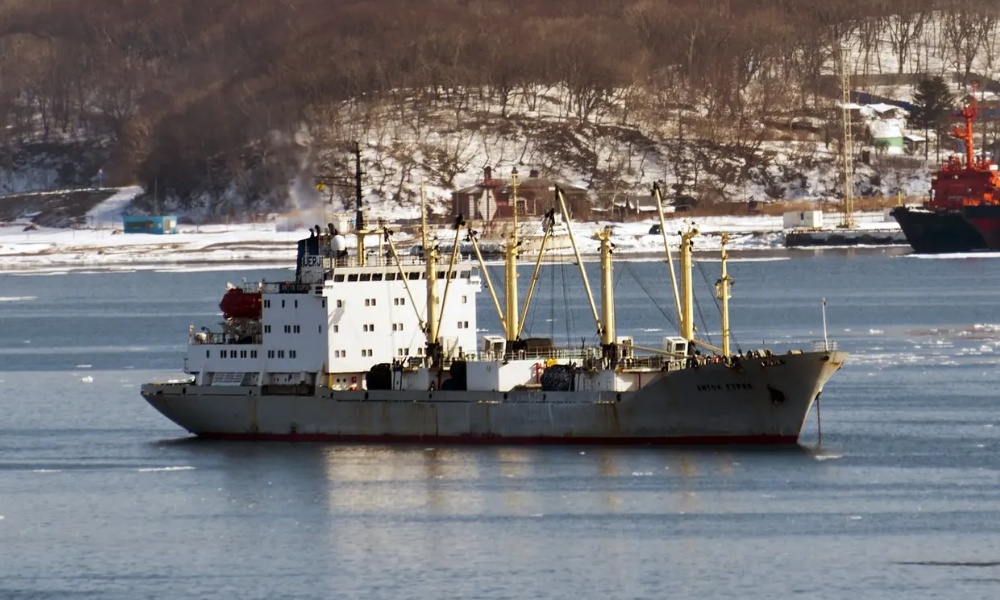
The Central Institute of Fisheries Technology (ICAR-CIFT), Kochi, has secured an Indian patent for a novel live fish transport technology that eliminates the need for chemicals by using controlled low-temperature treatment to anaesthetise aquatic animals prior to shipment. This breakthrough could significantly improve survival rates and reduce economic losses for cold chain operators handling live seafood, according to a press release from CIFT reported by The Hindu Business Line.
Technology at a Glance
The patented invention is titled “An Apparatus for Hypothermic Anesthetisation of Aquatic Animals Prior to Live Transport using Non-cyclic Refrigeration.” Its key novelty lies in a controlled, non-chemical, shock-free cooling system that gradually lowers temperature according to the species’ requirements, preventing sudden thermal shock. As live fish transport often results in stress and mortality during transit, this technology directly addresses the core challenge of maintaining animal welfare while preserving market value. The developers include Parvathy U. , Murali S. , Binsi PK , Sathish Kumar K. , Ravishankar C.N. , Jithin T. Joy , and Vishnu R. Nair, all associated with ICAR-CIFT.
Operational Impact on Cold Chain Logistics
For freight forwarders, logistics managers, and 3PL operators handling temperature-sensitive seafood shipments, the system offers a simpler, reliable, and affordable alternative to conventional chemical-based methods. By reducing mortality during transport, the technology can enhance the viability of live seafood exports, particularly for small and medium-scale users who previously lacked access to advanced hypothermic solutions. The press release states the invention “can improve survival, enhance market value and strengthen the live seafood supply chain.”
| Feature | Conventional Chemical Methods | CIFT Hypothermic Technology |
|---|---|---|
| Anaesthetisation agent | Chemicals (e.g., MS-222) | Controlled low-temperature only |
| Temperature control | Often abrupt shock | Gradual, species-specific cooling |
| Mortality risk | Higher due to stress and residues | Lower due to shock-free process |
| User suitability | Typically large-scale facilities | Accessible to small/medium-scale users |
Shipper and Operator Recommendations
Shippers of live aquatic animals should evaluate this technology for integration into their reefer and cold chain protocols. Adoption can lead to lower transport losses, improved product quality, and compliance with chemical-free certification requirements. Since the system is designed for small and medium-scale users, it may particularly benefit regional fish farmers and traders aiming to access premium markets requiring live, chemical-free seafood.
Watch List
- Industrial scaling of the patented apparatus for commercial deployment.
- Potential partnerships with cold chain equipment manufacturers.
- Adoption by Indian fisheries exporters targeting markets with stringent chemical residue standards.
Sources: