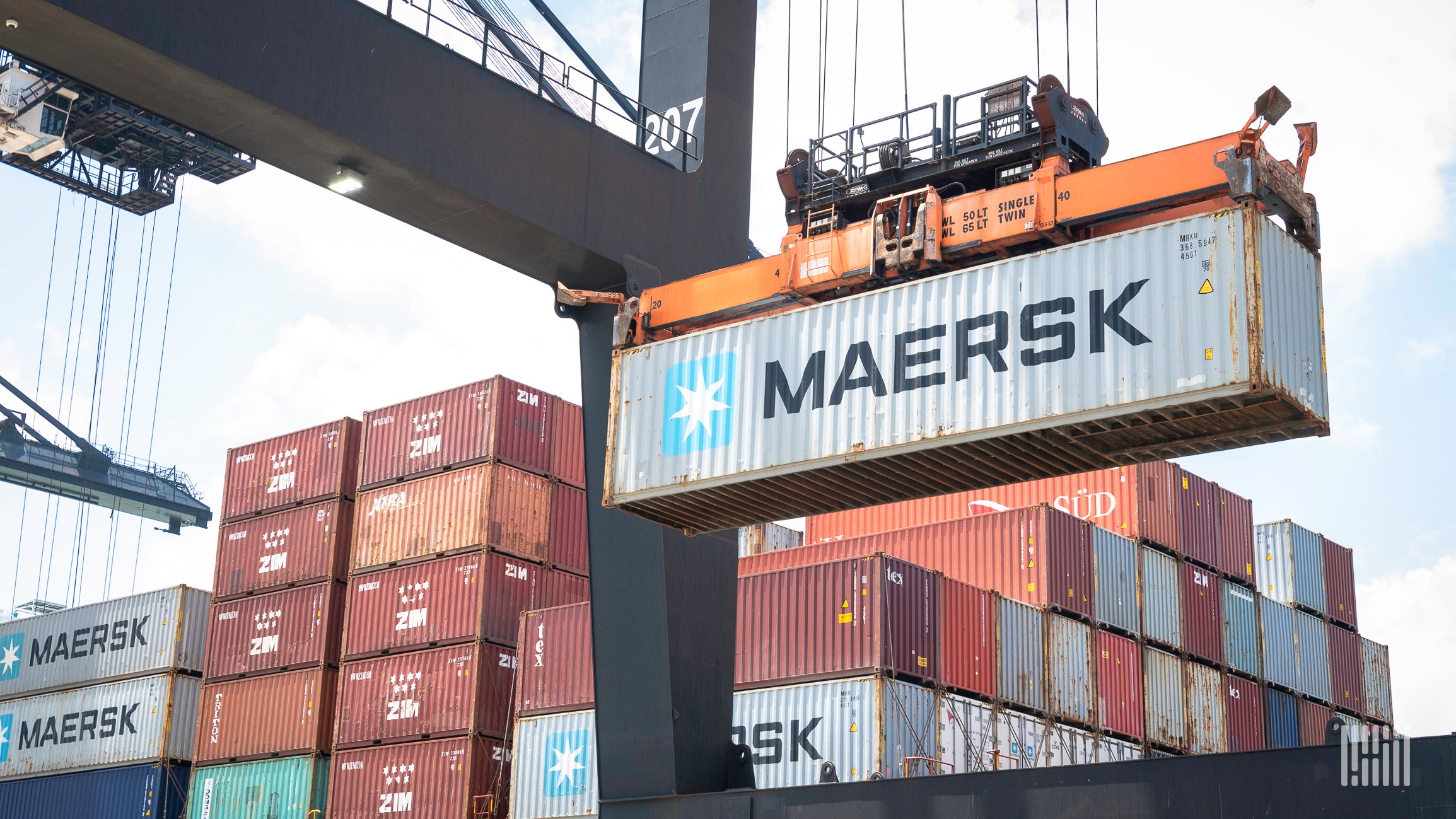
Seaspan and Maersk are deepening their long-running partnership with a new vessel efficiency program covering 18 containerships on long-term charter to the Danish liner giant, according to Splash247. The initiative aims to improve fuel efficiency, cargo capacity, operational flexibility and emissions performance across the shared time-chartered fleet.
The centerpiece of the program is a retrofit package for four 13,000 TEU vessels, described by the partners as one of the most significant upgrade programs undertaken across the Seaspan-Maersk charter fleet. The work includes:
- Installation of shaft generators to reduce auxiliary engine fuel consumption
- Main engine performance optimization
- A new high-efficiency propeller and pre-swirl device to improve propulsion
- Carbon capture readiness to prepare vessels for future emissions regulation
- Elevated lashing bridges to increase box intake
- Increased deadweight to improve loading capability
Seaspan stated that the combined package is expected to improve slot costs by around 10% to 13%, while enhancing fuel efficiency and regulatory readiness. Total completed and planned investment in fleet upgrades across the 18 vessels stands at about $75 million, with further initiatives under development.
Operational Impact Metrics
| Upgrade Component | Expected Benefit |
|---|---|
| Shaft generator | Reduces auxiliary engine fuel consumption |
| Main engine optimization | Improves fuel efficiency |
| High-efficiency propeller + pre-swirl device | Enhances propulsion |
| Carbon capture readiness | Prepares for future emissions regulation |
| Elevated lashing bridges | Increases box intake (cargo capacity) |
| Increased deadweight | Improves loading capability |
| Overall package | 10–13% improvement in slot costs |
WattSpan Cooperation
Separately, WattSpan—Seaspan’s maritime technology and engineering joint venture focused on vessel performance and decarbonization—has signed a non-binding memorandum of cooperation with Maersk and COSCO Shipyard. The one-year framework covers collaboration on vessel upgrades, energy efficiency improvements and maritime decarbonization technologies.
Dimitrios Panagopoulos, chief fleet operations officer at Seaspan, said the partnership showed how “practical, high-impact collaboration” can advance decarbonization at scale.
Implications for Shippers and Operators
For freight forwarders, logistics managers, and ocean carriers, the retrofit program signals a continued focus on cost efficiency and regulatory compliance across the chartered fleet. The 10–13% improvement in slot costs on upgraded vessels could translate into more competitive freight rates on the trade lanes where these ships operate, though specific lane impact was not detailed. The carbon capture readiness also positions these vessels to meet tighter emissions regulations without immediate retrofitting.
Watch List
- Further initiatives under development as part of the $75 million investment program
- The one-year WattSpan-Maersk-COSCO cooperation framework, which may lead to additional retrofit projects
- Potential expansion of the retrofit package to other vessels in the Seaspan-Maersk fleet
Sources: