War, drought and failing infrastructure are forcing carriers to abandon routine routes, absorb longer transits and suspend terminal operations, according to Splash247's Splash Wrap for the week. The defining theme was an industry being forced to find another way around war, drought and infrastructure that can no longer be relied upon, Splash247 reported. Sometimes the detour means sailing thousands of extra miles; sometimes it means shifting cargo to another port, building a different ship, or accepting that a route once considered routine is now anything but.
Black Sea: exports down 76%, terminals suspended
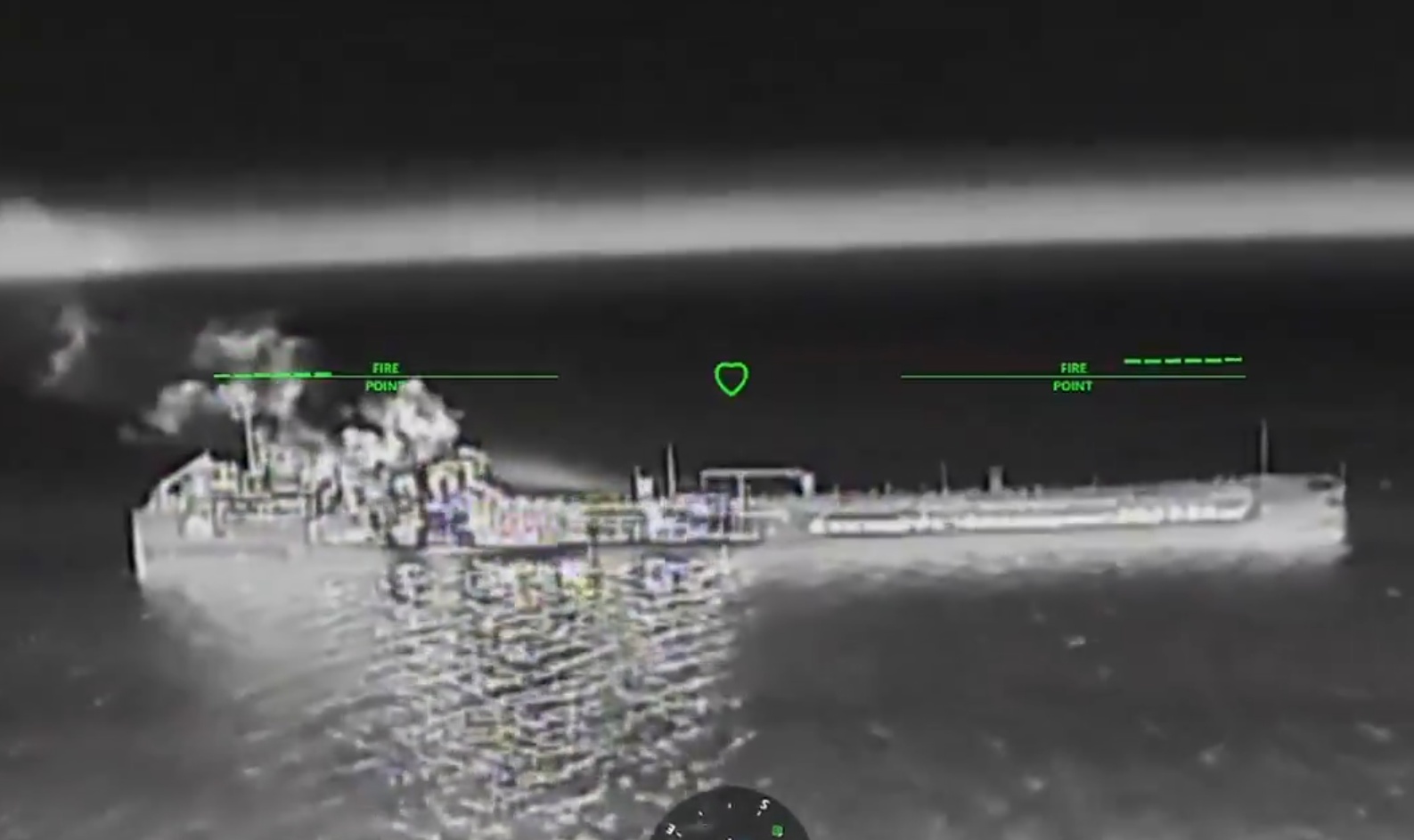
Nowhere was that clearer than the Black Sea, which dominated Splash coverage throughout the week, according to Splash247. After months of tit-for-tat attacks on ships and ports, Ukraine is now seeking a mutual halt to strikes on civilian shipping. Reuters reported on Friday that Kyiv has made the proposal to Moscow through a third party, and Russia has yet to respond. The apparent olive branch follows another bruising week for the region's maritime economy: Ukrainian strikes forced all three grain terminals at Novorossiysk to suspend operations temporarily, while Russian attacks have driven many owners away from ports around Odesa.
Ukrainian grain exports are down 76% year-on-year so far this month, according to Splash247.
Russia's answer has been its own version of the detour economy, Splash247 reported. Ships are hugging coastlines, sailing in convoys and appearing with anti-drone cages and netting around vulnerable parts of their hulls. What was once the quickest or cheapest route increasingly matters less than the route most likely to get the cargo through.
Hormuz and Jebel Ali: $100m monthly cost at DP World
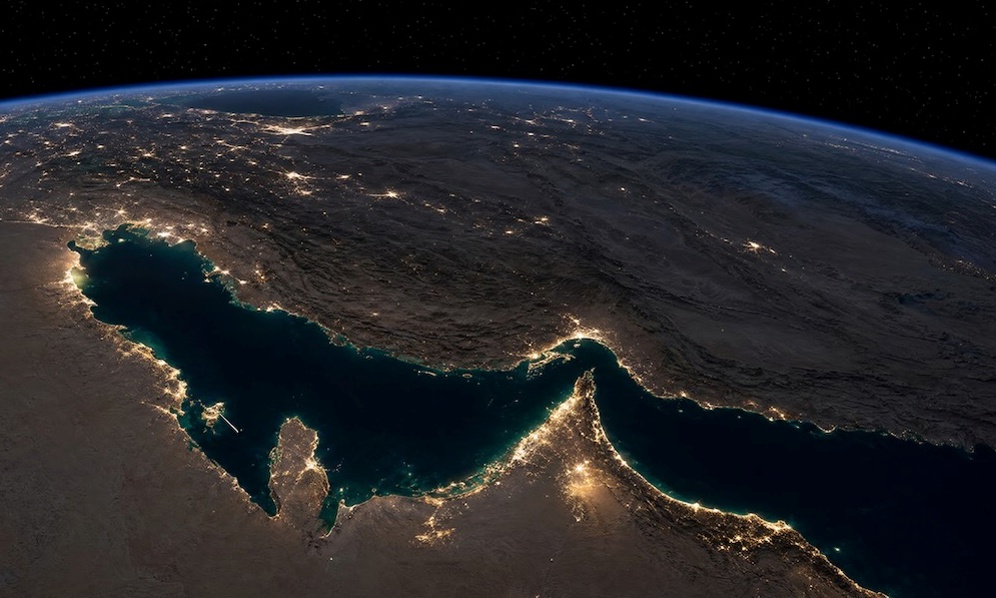
Hormuz remained firmly in the headlines after ADNOC suffered its sixteenth vessel strike of the conflict, while the Houthis again targeted Saudi energy infrastructure, according to Splash247. The cost of avoiding the Middle East's most important chokepoint is now painfully clear. Splash Ports reported that the collapse in shipping through Hormuz is costing DP World around $100m every month at Jebel Ali. The Dubai terminal operator is keeping its flagship hub ready for a rapid restart, but the broader regional response is already taking shape: cargoes are being rerouted, alternative terminals are gaining prominence, and oil is increasingly moving through unconventional shuttle operations and transhipment chains.
Europe: Rhine, Danube and Dutch canals at critical lows
War is not the only thing redrawing shipping's map, Splash247 reported. On Europe's inland waterways, nature is doing much the same job. The Rhine is close to being effectively cut in two around Kaub as drought pushes water levels towards critical lows. The Danube is also suffering, while restrictions have appeared across parts of the Dutch canal network. Once again, the answer is adaptation: cargoes move by rail or road, barges sail part-loaded, and operators consider investing in vessels specifically designed for ultra-shallow water. The detour economy, in other words, is becoming structural.
The detour economy at a glance
| Location | Disruption | Operational impact |
|---|---|---|
| Novorossiysk, Black Sea | Ukrainian strikes | All three grain terminals suspended operations temporarily |
| Odesa, Black Sea | Russian attacks | Many owners driven away from the port cluster |
| Strait of Hormuz / Jebel Ali, Dubai | Sixteenth ADNOC vessel strike; Houthi attacks on Saudi energy infrastructure | DP World losing about $100m per month; cargo rerouted to alternative terminals |
| Rhine at Kaub, Germany | Drought pushing water levels toward critical lows | River close to effectively cut in two |
| Danube | Drought | Water levels suffering |
| Dutch canal network | Restrictions | Part-loaded barging and modal shift being used |
Technology, resilience and the cost question
The detour theme ran through this week's interviews too, Splash247 reported. AXSMarine chief Jacques Goudchaux told Maritime CEO that shipping needs technology that solves real operational problems rather than technology for technology's sake. Heidelberg Materials' Willem Vermaat, speaking ahead of Splash Singapore, focused on the moments when algorithms fail and humans still need to take over. Port of Bilbao president Ivan Jiménez, speaking at Splash Ports, argued that resilience cannot simply be something ports discover during a crisis — it has to be designed in beforehand. A SplashTech deep dive examined why shipping still struggles to price technology, with owners increasingly wanting to know not whether something is clever, but whether it saves money, reduces risk or keeps cargo moving. That may be the defining commercial question of the detour economy, according to Splash247.
Splash247 also noted the launch three weeks ago of its Splash Ports portal, which it said has posted very solid reading figures to date.
Shippers and operators: operational implications
Freight forwarders, shippers and ocean carriers should treat the detour economy as structural rather than temporary, Splash247 reported. In Black Sea grain, a 76% year-on-year export drop so far this month means booking patterns and vessel schedules need to be rebuilt around suspended terminals at Novorossiysk and war-risk avoidance around Odesa. In the Gulf, cargoes are being rerouted and alternative terminals are gaining prominence as Jebel Ali absorbs roughly $100m in monthly losses from the Hormuz traffic collapse. In Northwest Europe, Rhine and Danube restrictions mean barges sail part-loaded and cargo moves to rail or road, while operators consider investing in ultra-shallow-water vessels specifically for these conditions.
Watch list
- Russia's response to Ukraine's proposal for a mutual halt to strikes on civilian shipping: Reuters reported Kyiv made the offer through a third party on Friday, with no answer yet.
- Strait of Hormuz security: ADNOC's sixteenth vessel strike and renewed Houthi attacks on Saudi energy infrastructure keep the chokepoint under pressure.
- Rhine water levels at Kaub: drought is close to cutting the river in two, with critical lows approaching.
- Port resilience planning: Ivan Jiménez argued resilience must be designed in beforehand, and ports will need to decide how to invest as the detour economy becomes structural.
Sources: