Ocean carriers already reworking vessel rotations around disrupted China ports are facing a far broader chokepoint threat than the Strait of Hormuz alone, with delays, diversions and higher costs likely across multiple trade lanes, according to an Oxford Economics study reported by FreightWaves.
The key risk, Oxford Economics argues, is not simply that a waterway closes permanently. More commonly, threats to trade routes produce delays, diversions, reduced vessel capacity, higher insurance and freight costs, and prolonged uncertainty. Oxford sees progress toward reopening disrupted routes as likely to be uneven through the rest of the year.
Oxford Economics expects progress toward reopening disrupted routes to be uneven, describing a "one step forward, two steps back" pattern through the rest of the year.
The assessment is reinforced by continuing violence by Yemen-based Houthi rebels in the Red Sea and the short-lived nature of June’s memorandum of understanding between the United States and Iran, the report added.
Chokepoints beyond Hormuz
The Strait of Hormuz is strategically important, particularly in the context of the Iran conflict, but maritime risk is dispersed, Oxford Economics said. Different bottlenecks matter for different reasons: some are central to global trade, while others are disproportionately important to regional supply chains or individual economies.
Nearly one-quarter of global trade passes through Asia’s Malacca and Taiwan straits, according to the report. That concentration means a disruption at either passage could affect far more than the immediate region, with consequences for vessel routing, manufacturing inputs, energy flows and the availability of imported consumer goods.
The geography of maritime trade has created numerous points where a localized crisis can have systemwide effects, the report states. A canal restriction, a conflict near a strait or a weather-related port shutdown may all create consequences well beyond the affected waterway.
Geopolitics shifts chokepoints from geography to leverage
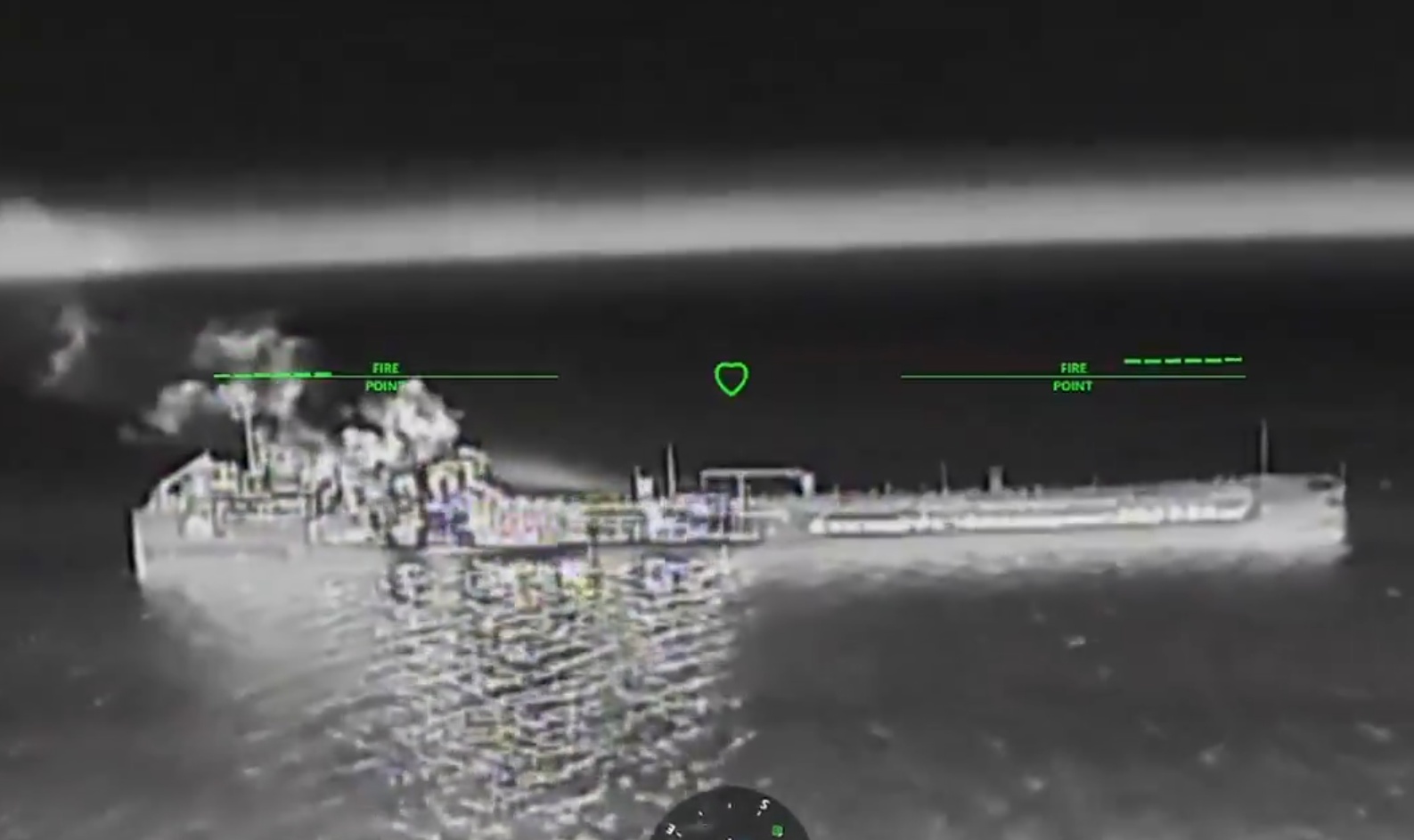
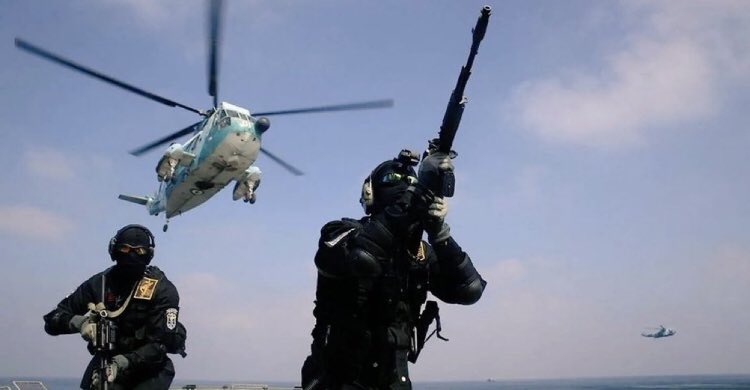
Geopolitics is one of two principal drivers of chokepoint disruption, but the character of the threat is changing, the study finds. The Iran conflict has demonstrated that chokepoints are increasingly viewed not merely as geographic constraints but as assets that can be controlled, taxed or threatened for strategic leverage.
That shift broadens the range of possible disruptions. Instead of a single, clear-cut closure, shipping interests may face elevated security risks, operational restrictions, new costs or volatile rules governing transit, Oxford Economics reported. Such conditions can undermine route reliability even when vessels are technically able to pass.
In the Red Sea, ongoing Houthi actions remain an impediment to a durable reopening. That leaves carriers, cargo interests and insurers managing not only the physical voyage but also an uncertain political and security environment that may last for years, the report said.
Climate and weather compound chokepoint risk
Climate conditions are the second major source of vulnerability identified in the report. These risks can constrain maritime trade without armed conflict or deliberate interference.
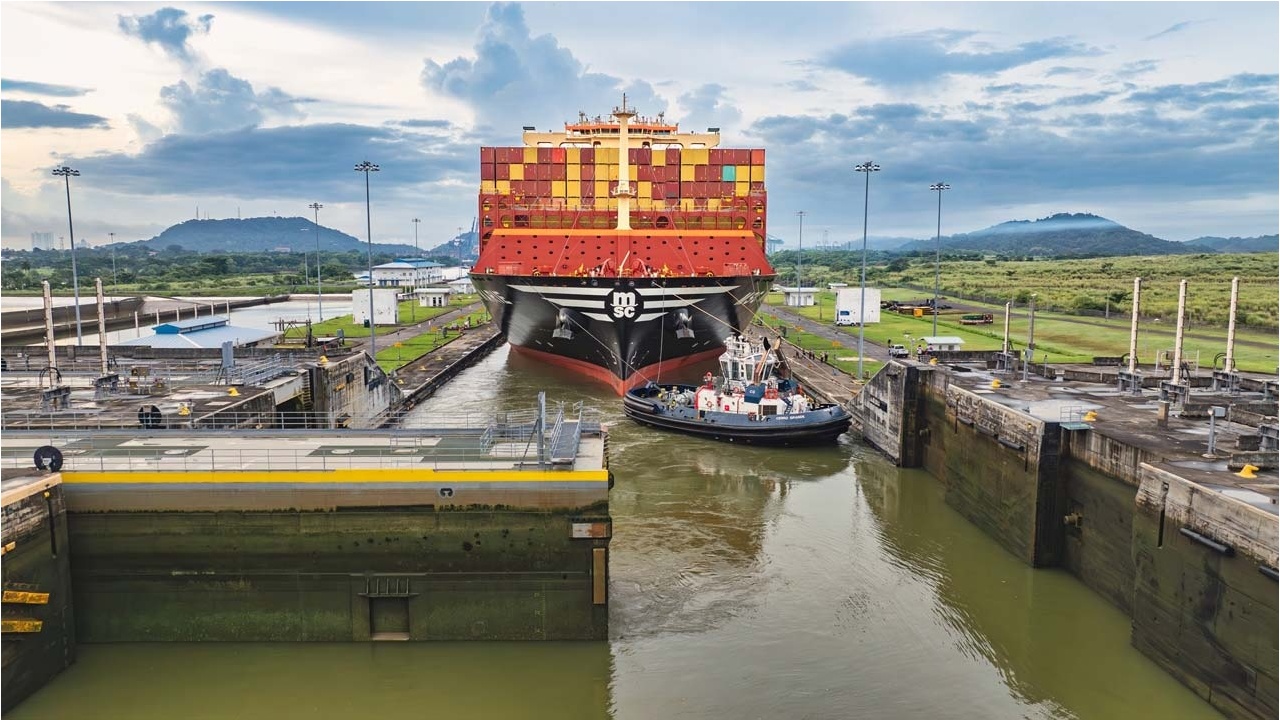
The Panama Canal cut vessel drafts five times during the year as El Niño threatened the water supply of Lake Gatun, which feeds the locks, according to Oxford Economics. Reduced draft limits can force ships to carry less cargo, increase the number of voyages required, or prompt carriers to seek alternative routings — all of which can raise supply-chain costs and reduce efficiency.
Weather risks also extend to ports. Typhoons recently shut the world’s busiest Asia container ports twice within one month. Port closures can quickly ripple through liner schedules, terminal operations, equipment positioning and inland transport networks, particularly where carriers run tightly sequenced port rotations.
| Chokepoint or route | Reported risk | Operational consequence cited by Oxford Economics |
|---|---|---|
| Strait of Hormuz | Strategically important in the Iran conflict | One of many dispersed maritime risks; a localized disruption can expose economies to trade, cost and supply-chain shocks |
| Malacca and Taiwan straits | Nearly 25% of global trade passes through them | Disruption affects vessel routing, manufacturing inputs, energy flows and imported consumer goods |
| Red Sea | Ongoing Houthi actions impede durable reopening | Carriers, cargo interests and insurers face uncertain security conditions that may last for years |
| Panama Canal | Vessel drafts cut five times during the year | Ships carry less cargo, require more voyages or use alternative routings, raising supply-chain costs |
| Key China ports | Significant disruptions forcing rotation adjustments | Follow-on effects on connecting land and sea services increase costs and keep container rates up |
What this means for shippers and operators
Significant disruptions at key China ports are currently forcing ocean carriers to adjust vessel rotations, which has a follow-on effect on connecting services on land and sea, increasing costs and helping to keep container rates elevated, according to the study.
For freight forwarders, ocean carriers, port authorities and shippers, the report reframes chokepoint management as a routine operational concern rather than a tail-risk event. Security checks, draft limits, port closures and rerouting decisions can each change voyage economics, and the study warns that uncertainty may last for years. Planning should therefore incorporate contingency routings, buffer capacity and close monitoring of canal and strait status, using the same signals that carriers already track when adjusting vessel rotations.
Watch list
- Oxford Economics expects any progress toward reopening disrupted routes to be uneven, with a "one step forward, two steps back" pattern through the rest of the year.
- Red Sea: ongoing Houthi actions remain an impediment to durable reopening, keeping carriers, cargo interests and insurers in an uncertain security environment that may last for years.
- Panama Canal: El Niño conditions that threatened Lake Gatun and drove five draft cuts during the year remain a live risk to vessel payloads and routings.
- Asia ports: after typhoons shut the world’s busiest container ports twice within one month, further weather-related closures could ripple through liner schedules and inland transport.
- China ports: significant disruptions continue to force ocean carriers to adjust vessel rotations, with follow-on effects on connecting services and container rates.
Sources: