Two US companies have filed class-action lawsuits against a group of dry container manufacturers, alleging a long-running price-fixing scheme that artificially inflated prices, according to Splash247. The lawsuits were filed by manufacturer CA Spalding Company and shipping company Daybreak Express, seeking monetary damages and following closely on the heels of a US Department of Justice indictment unveiled in late May.
Background of the Lawsuits
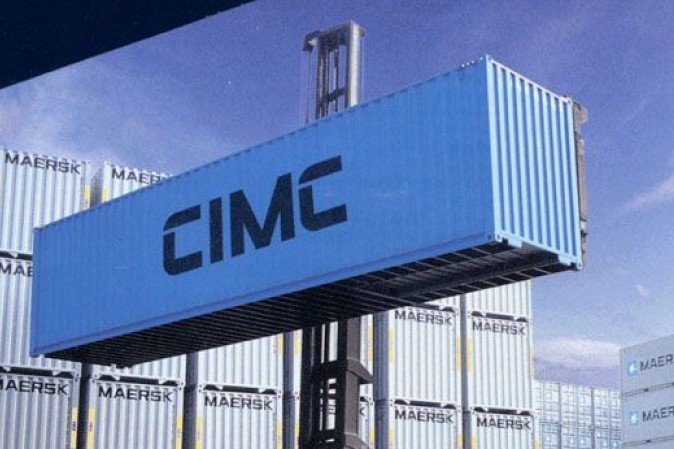
The civil actions target Singamas, China International Marine Containers (CIMC), CXIC Group Containers, and several executives, including SS Teo, Singamas boss and CEO of Pacific International Lines (PIL). CA Spalding, a supplier of components to aerospace, automotive, and other industrial sectors, claims the alleged conspiracy forced it to pay inflated shipping costs by artificially increasing container prices. The company is seeking multiple damages under US antitrust laws.
Alleged Price-Fixing Scheme
According to the DOJ indictment, which is detailed in court documents cited by Splash247, the manufacturers—which together account for approximately 95% of global standard dry container production—coordinated output restrictions and pricing between November 2019 and January 2024. Federal prosecutors allege the companies limited production through measures including:
- Restricting operating hours on container production lines
- Installing video surveillance systems
- Agreeing not to build new container manufacturing facilities
Court documents include details of a December 2019 meeting between executives from the accused companies.
| Key Fact | Details |
|---|---|
| Defendants | Singamas, CIMC, CXIC Group Containers, and named executives including SS Teo |
| Market Share | ~95% of global standard dry container production |
| Alleged Period | November 2019 – January 2024 |
| Price Impact | Standard dry container prices roughly doubled between 2019 and 2021 |
| Profit Impact | Container manufacturing profits increased by ~100 times during the same period |
| Damages Claimed | Multiple damages under US antitrust laws (CA Spalding) |
The Justice Department said the alleged conspiracy harmed major US-based container lessors, shipping lines, and logistics companies, ultimately resulting in higher costs for American consumers. Dry containers—standard unrefrigerated boxes used throughout global trade—carry billions of dollars worth of goods into the United States each year.
Implications for Shippers and Logistics
The lawsuits highlight a period of extreme pricing volatility in the dry container market. For freight forwarders, logistics managers, and shippers, the alleged coordinated output restrictions and price-fixing resulted in sharply higher container procurement costs and reduced availability, driving up overall shipping expenses. The impacts were felt across ocean freight supply chains, particularly for standard dry containers used for non-refrigerated cargo.
SS Teo, identified in the lawsuits as a key executive, also runs Pacific International Lines (PIL) and has previously said he intends to contest the allegations.
Watch List
- Further developments in the class-action lawsuits, including discovery and potential settlements.
- The DOJ's ongoing antitrust investigation and any additional indictments.
- Potential impacts on dry container pricing and availability as the legal process unfolds.
Sources: