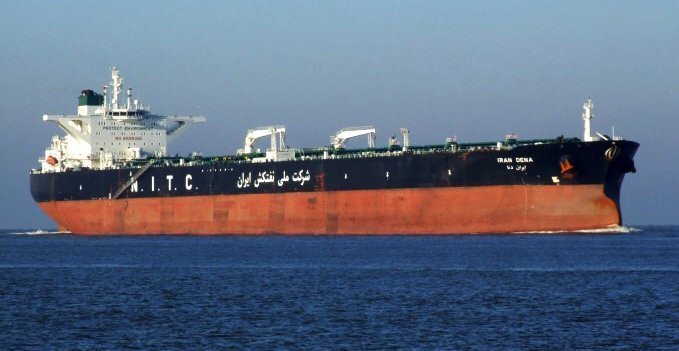
The reopening of the Strait of Hormuz under a newly signed US-Iran interim agreement immediately restores commercial navigation through the world's most important maritime chokepoint, but shippers face significant uncertainty over future transit fees that could drive up voyage costs, according to Splash247.
The 14-point "Islamabad Memorandum of Understanding" was signed electronically by US and Iranian officials and is due to be formally signed on Friday, triggering a 60-day negotiation period aimed at securing a final settlement, Splash247 reported. The agreement immediately halts military operations between the two sides and commits both parties to refrain from future military action, establishing a roadmap for restoring commercial navigation through the Strait of Hormuz.
Key Provisions and Timeline
Under the memorandum:
- The US will begin removing its naval blockade immediately and fully end it within 30 days.
- Iran has committed to ensuring safe passage of commercial vessels through the Strait of Hormuz free of charge for a period of 60 days.
- Iran also agreed to undertake demining operations and remove technical and military obstacles affecting navigation.
- Commercial vessel traffic should begin immediately, although both sides acknowledge that restoring flows to pre-war levels will take time.
Maritime experts have already warned that clearing congestion, addressing security concerns, and removing hazards accumulated during the conflict could take several weeks before normal trading patterns return, according to Splash247.
Beyond shipping access, the memorandum includes substantial economic concessions. Washington has committed to supporting a reconstruction and economic development framework worth at least $300bn, while also agreeing to issue waivers allowing Iranian crude oil exports, petroleum products, associated banking services, insurance, and transportation activities to resume. The agreement also outlines plans to make frozen Iranian funds available and establishes a pathway toward the eventual removal of sanctions, subject to future negotiations.
Uncertainty Over Future Transit Fees
Despite the breakthrough, the agreement has already come under pressure from both political opponents and Iranian officials. Iranian Parliament Speaker and chief negotiator Mohammad Bagher Ghalibaf rejected Washington's characterisation of the agreement as a diplomatic victory, describing it instead as a "record of US failure." More significantly for the maritime sector, Ghalibaf indicated that Iran intends to introduce charges for commercial vessels transiting the Strait of Hormuz once the 60-day toll-free period expires.
"The Strait of Hormuz will not return to pre-war conditions," Ghalibaf said, adding that Iran would exercise what it views as its sovereign rights and "receive a fee for services."
Iranian officials have also suggested that future management and maritime services in the strait could be administered jointly by Iran and Oman, potentially creating a new regulatory framework for one of the world's busiest shipping lanes.
The prospect of future transit charges has emerged as one of the most closely watched aspects of the agreement. While the memorandum guarantees free passage during the initial 60-day period, the possibility of a tolling system raises questions about future voyage costs for shipowners, charterers, and energy traders.
Implications for Shippers and Operators
Freight forwarders, logistics managers, and ocean carriers operating on routes through the Strait of Hormuz should prepare for:
| Factor | Current Status | Outlook |
|---|---|---|
| Transit fees | Free for 60 days | Potential tolls after 60 days; Iran signals fees for services |
| Navigation safety | Demining underway; hazards remain | Several weeks to clear congestion and obstacles |
| Regulatory framework | US-Iran interim agreement | Possible joint Iran-Oman administration of the strait |
| Sanctions relief | Waivers for oil, banking, insurance | Gradual removal subject to negotiations |
The 60-day negotiation period will be critical for determining whether transit fees are introduced and at what level. Shippers should monitor developments closely and consider alternative routing or contingency planning for voyages scheduled after the toll-free window expires.
Watch List
- Formal signing of the Islamabad Memorandum on Friday and the start of the 60-day negotiation period
- Announcements from Iran and Oman on joint management of the Strait of Hormuz
- Updates on demining operations and hazard removal timelines
- Any further statements from Iranian officials on the structure and amount of future transit fees
Sources: